← Year 2 critical thinking worksheets

Year 2 Critical thinking: Spring 1 worksheet

“Detective skills review” is free to print, with no account. It is the first sheet in the Year 2 critical thinking unit “Critical thinking: Spring 1”, for children aged 6 to 7, and takes about 20 minutes.

Print it on A4. The child's pages come first; the answers, and what each wrong answer tells you, are on the grown-up page that follows. Weeks 13 to 18 of the year, 6 sheets in the unit.

Free sample · answers on the last page

Detective skills review

Name: ____________ · Date: ____________
Year 2 · Critical thinking · about 20 minutes
Answers are on the grown-up page

Today I can use sorting, comparing, evidence and reasons to think like a detective.

A Look back3 min

  1. 1.

    Circle the rule that sorts these squares into two groups.

    redblueredblue
    coloursizeshape
  2. 2.

    Which pet did the most children choose?

    Favourite pet0123456catdogfish
    catdogfish
  3. 3.

    How many windy days were there?

    rainsunwind

B Watch me, then you4 min

Ali asks his class what they had for lunch. The chart shows the answers.
A school lunch table with a bowl, a plate and a cup, no food labels
Watch me
Lunch choice012345soupsaladpasta

The tallest bar is salad.

4 children chose salad.

So salad was the most popular lunch.

Now you
  1. 1.

    Which way to school did the fewest children choose?

    Ways to school0123456busbikewalk
    busbikewalk

C Your turn8 min

Each row uses a different detective skill. Read each question before you start.
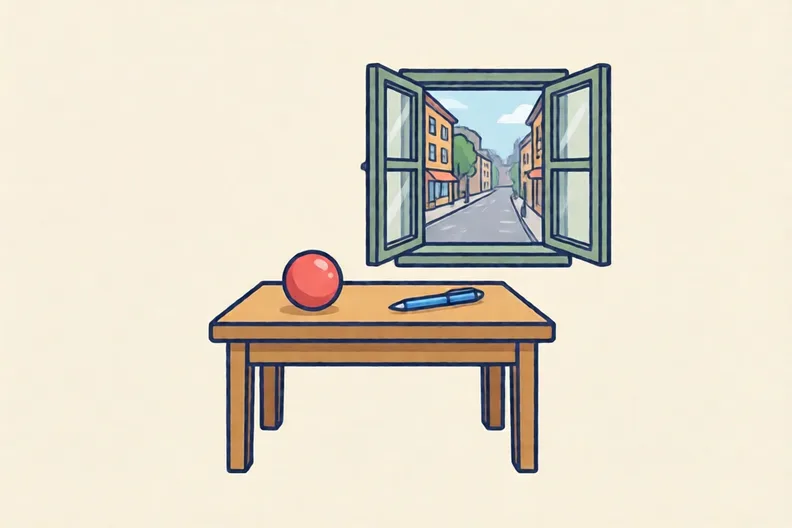
A kitchen table with a red ball and a blue pen, next to an open window
  1. 1.

    Write each card in the right column.

    a red balla bell ringinga blue pena car horn
    Things I can seeThings I can hear
  2. 2.

    Write each card in the Fact or Opinion column.

    Dogs have four legsDogs are the best petsGrass is greenRain is boring
    FactOpinion
  3. 3.

    Which one is the best reason? Circle one.

    I think the bus is late because the road is full of cars.I think the bus is late.The bus is late because it is Tuesday.
  4. 4.

    Put these steps for sorting in the right order. Number each box.

    1. Put things into groups
    2. Check each group follows the rule
    3. Look at all the things
    4. Choose a rule

Say it out loud: Which detective skill did you use in each row? Tell your grown-up.

D Spot the mistake3 min

Ben says: “I saw 3 red pens, so all the pens in our class are red.”
redredredblue
  1. 1.

    What is wrong with Ben’s idea? Write one sentence.

E Think deeper4 min
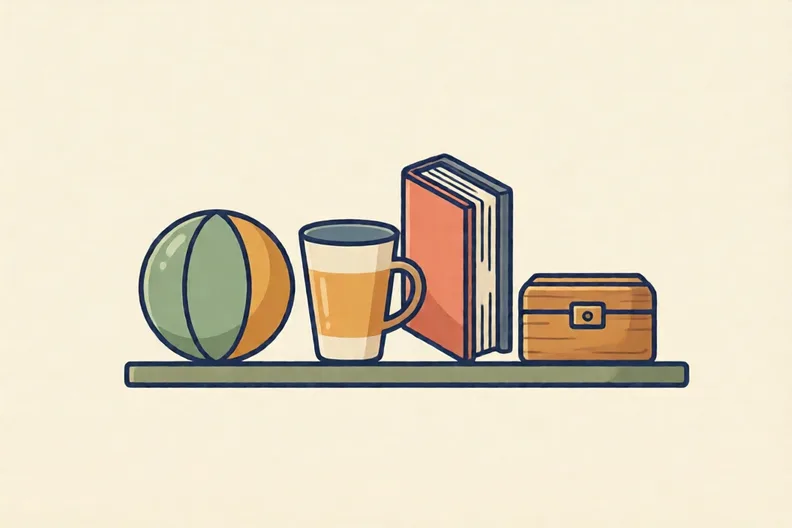
A ball, a cup, a book and a wooden box set out on a shelf
  1. 1.

    Write two different rules you could use to sort these four objects.

How did it feel?

Which detective skill do you like best? Tell your grown-up why.

I can do it Nearly Not yet
StudyDen · Year 2 · Critical thinking · Thinking Like a DetectiveAnswers are on the grown-up page

For the grown-up

Detective skills review · 2 minutes to read

Answers, and what a wrong one tells you

A

1. colour Circling shape means they looked at the outline. All the squares have the same shape, so shape cannot make the two groups. Ask your child: what is different about each square?

2. dog Circling cat means they read the first bar, not the tallest one. Ask your child to run a finger along the chart and stop at the highest bar.

3. 3 If your child writes 0, they have read the sun row, which has no marks. Ask your child to find the wind row and count the marks in that row only.

B

1. bike Circling walk means they picked the tallest bar. Ask your child which bar is the shortest, then say what that bar stands for.

C

1. Things I can see: a red ball, a blue pen · Things I can hear: a bell ringing, a car horn

2. Fact: Dogs have four legs, Grass is green · Opinion: Dogs are the best pets, Rain is boring

3. I think the bus is late because the road is full of cars. Circling the one with no because means they have a guess, not a reason. Ask your child: what did you see that makes you think so?

4. 1 Look at all the things · 2 Choose a rule · 3 Put things into groups · 4 Check each group follows the rule If they start with putting things into groups, there is no rule yet. Ask your child: what must you know before you can sort?

D

1. Look for: Seeing three red pens does not prove every pen is red; Ben did not check all the pens, and one is blue. If they agree with Ben, ask your child: how many pens did Ben look at? Is that every pen in the class?

E

1. Look for: Two different rules that each split the objects into two groups, such as round or flat, or wooden or not wooden.

Words to use

Say“Which detective skill did you use today? Tell me how it works in your own words.”
Instead of“Tell them the right answer straight away.”

After the sheet

Sort a drawer of spoons or socks by one rule, then ask your child to guess your rule.

Tick what your child got right in StudyDen. Anything missed comes back in a later Look back box, so there's no need to redo the sheet.

The rest of this unit

5 more sheets come with a StudyDen plan, in teaching order:

  1. Can I trust this?(with a plan)
  2. Which Source Is Stronger?(with a plan)
  3. Claims and evidence(with a plan)
  4. Is the test fair?(with a plan)
  5. Spot the Unfair Test(with a plan)

Every Year 2 critical thinking worksheet

The worksheets plan opens a printable sheet for every lesson in Years 1 to 6, each with its answers on a separate page for you. It costs £6.99 a month or £59 a year for the whole family, with no free trial.

The full StudyDen plan adds the lessons themselves, marked as your child works, with the worksheets included. It is 7 days free, then £29.99 a month.

Both start with a free account; you choose the plan when you sign up.