← Year 3 design and technology worksheets

Year 3 2D shapes to 3D products: stationery storage worksheet

“Stitches that join and edge” is free to print, with no account. It is the first sheet in the Year 3 design and technology unit “2D shapes to 3D products: stationery storage”, for children aged 7 to 8, and takes about 22 minutes.

Print it on A4. The child's pages come first; the answers, and what each wrong answer tells you, are on the grown-up page that follows. Weeks 17 to 24 of the year, 8 sheets in the unit.

Free sample · answers on the last page

Stitches that join and edge

Name: ____________ · Date: ____________
Year 3 · Design & technology · about 22 minutes
Answers are on the grown-up page

Today I can tell back stitch and blanket stitch apart and secure both ends of a run.

A Look back3 min

  1. 1.

    Circle the name of this shape.

    squaretrianglecircleoval
  2. 2.

    This line is cm long.

    012345678910cm
  3. 3.

    Circle the name of this 3D shape.

    cubeconecylindersphere

B Watch me, then you4 min

Ola is sewing a run of back stitches on a pencil pouch. She wants her work to stay neat and strong from start to finish.
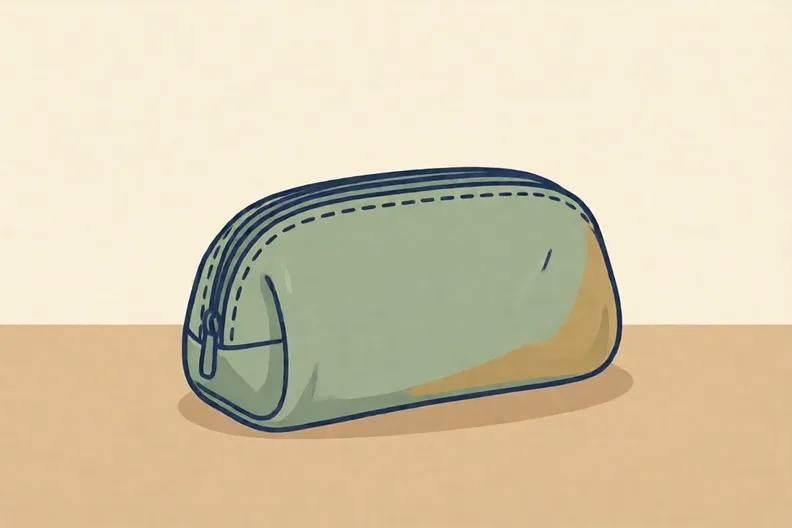
A small fabric pencil pouch lying flat on a table, with a neat row of stitches along one side
Watch me
Thread the needleSecure the startBack stitchesDouble stitch at end

First, thread the needle.

Stitch the same spot twice to start, so the thread is locked.

Sew the back stitches, then stitch the same spot twice to finish.

Now you
  1. 1.

    Number these steps 1 to 4 for a run of blanket stitches on a fabric edge.

    Start ofthe runFinish ofthe run
    1. Sew the blanket stitches
    2. Double stitch at the end
    3. Thread the needle
    4. Double stitch at the start

C Your turn8 min

Read each row. Think about what each stitch does.

Read the jobGaps or loops?Name the stitch
  1. 1.

    Circle the stitch that makes a solid line with no gaps.

    back stitchblanket stitchneedle threader
  2. 2.

    Circle the stitch that makes small loops along an edge.

    back stitchblanket stitchneedle threader
  3. 3.

    Put each job into the right column.

    solid line with no gapsloops along an edgestrong hand joinstops edges fraying
    Back stitchBlanket stitch
  4. 4.

    Join each stitch or step to its job with a line.

    Double stitch at the startBlanket stitchBack stitch
    no gaps in the linestops the thread coming undoneloops that stop the edge fraying

Say it out loud: Which stitch would you pick for a seam on a pencil pouch, and why?

D Spot the mistake3 min
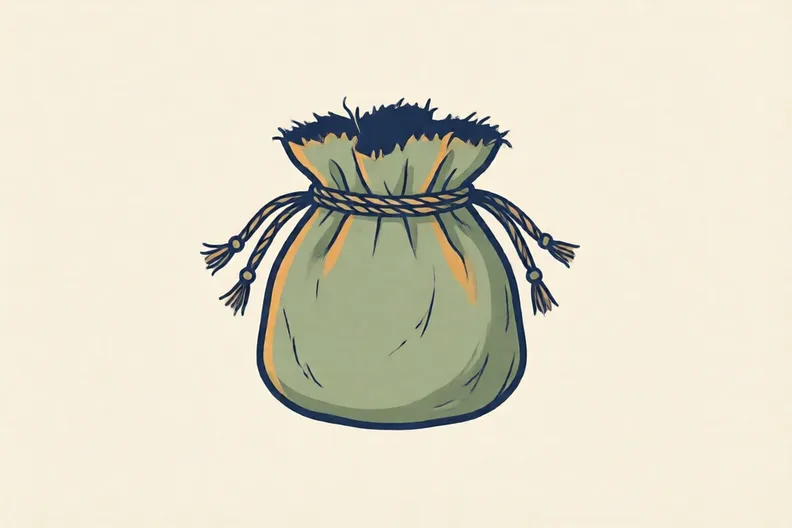
A fabric pouch with a frayed edge and a few loose threads hanging from it
Kit says: “Every stitch is made the same way, so back stitch and blanket stitch are really the same.”
  1. 1.

    Explain why Kit is wrong, in your own words.

E Think deeper4 min

Look at the pencil case in the picture. You are making one like it.
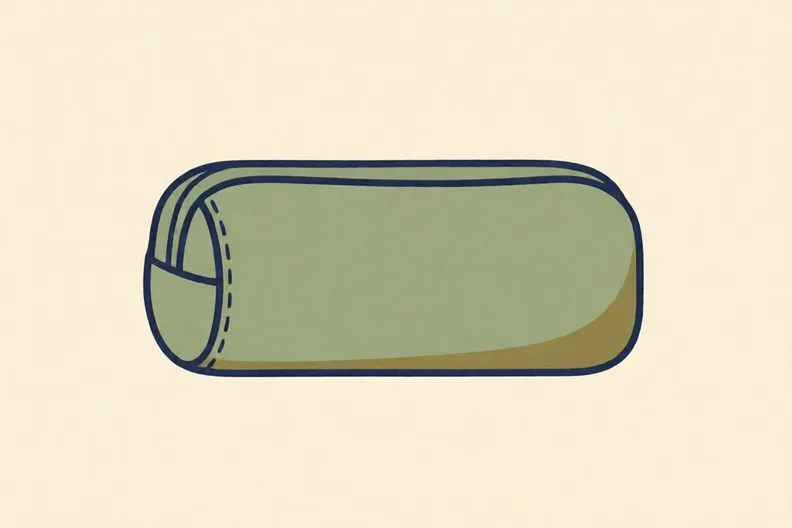
A simple plan of a fabric pencil case with a seam down the side and a top edge
  1. 1.

    Which stitch would you use for the side seam, and which for the top edge? Explain why.

How did it feel?

I can do it Nearly Not yet
StudyDen · Year 3 · Design & technology · 2D shapes to 3D products: stationery storageAnswers are on the grown-up page

For the grown-up

Stitches that join and edge · 2 minutes to read

Answers, and what a wrong one tells you

A

1. square

2. 6 your child may have counted the marks from 1 instead of reading the number at the end. Ask them to check the strip starts at 0, then read the number where it ends.

3. cylinder

B

1. 1 Thread the needle · 2 Double stitch at the start · 3 Sew the blanket stitches · 4 Double stitch at the end your child may have put a double stitch first. Ask: what must you do to the needle before it can make any stitch?

C

1. back stitch The child may have picked the blanket stitch because it is decorative. Ask them to say how the back stitch closes the gap behind each stitch.

2. blanket stitch If they pick the back stitch, ask: does it make loops, or a solid line? The loops are the clue for blanket stitch.

3. Back stitch: solid line with no gaps, strong hand join · Blanket stitch: loops along an edge, stops edges fraying

4. Double stitch at the start → stops the thread coming undone; Blanket stitch → loops that stop the edge fraying; Back stitch → no gaps in the line If the child joins the back stitch to the loops, ask which stitch makes the solid line and which makes the loops on the edge.

D

1. Look for: A reason that says the stitches use different needle movements and do different jobs, such as joining or stopping fraying. If the child only says Kit is wrong, ask: what job does each stitch do? Then ask how the needle moves for each one.

E

1. Look for: Back stitch for the strong seam with a reason about a solid join, and blanket stitch for the top edge with a reason about stopping fraying.

Words to use

Say“Show me where your double stitch goes at each end. What does it stop?”
Instead of“Just do it quickly, it does not matter where the thread starts.”

After the sheet

With a grown-up beside you, pick a scrap of old cotton and a blunt needle. A grown-up cuts the fabric and thread. Sew a short run of back stitches, double stitch each end, then hold it up and check for gaps.

Tick what your child got right in StudyDen. Anything missed comes back in a later Look back box, so there's no need to redo the sheet.

The rest of this unit

7 more sheets come with a StudyDen plan, in teaching order:

  1. Testing fabrics(with a plan)
  2. Choosing the right fastener(with a plan)
  3. Specifications before fabric(with a plan)
  4. Making fabric patterns bigger(with a plan)
  5. Placing pattern pieces(with a plan)
  6. Assembling Your Pencil Case(with a plan)
  7. Stitches that look good(with a plan)

Every Year 3 design and technology worksheet

The worksheets plan opens a printable sheet for every lesson in Years 1 to 6, each with its answers on a separate page for you. It costs £6.99 a month or £59 a year for the whole family, with no free trial.

The full StudyDen plan adds the lessons themselves, marked as your child works, with the worksheets included. It is 7 days free, then £29.99 a month.

Both start with a free account; you choose the plan when you sign up.