← Year 4 critical thinking worksheets

Year 4 Critical thinking: Autumn 2 worksheet

“Who Gains From This?” is free to print, with no account. It is the first sheet in the Year 4 critical thinking unit “Critical thinking: Autumn 2”, for children aged 8 to 9, and takes about 20 minutes.

Print it on A4. The child's pages come first; the answers, and what each wrong answer tells you, are on the grown-up page that follows. Weeks 7 to 12 of the year, 6 sheets in the unit.

Free sample · answers on the last page

Who Gains From This?

Name: ____________ · Date: ____________
Year 4 · Critical thinking · about 20 minutes
Answers are on the grown-up page

Today I can spot a vested interest and say what independent evidence to look for.

A Look back2 min

  1. 1.

    Sam says: ‘This shape has six sides.’ Count to check his claim. How many sides does it really have?

  2. 2.

    'Dogs are the best pets.' Is this a fact or an opinion? Circle one.

    Pets in our classDogsCatsFish= 2
    FactOpinion
  3. 3.

    A circle is like a wheel because both are round. Give one more thing that is round, and say why it fits.

B Watch me, then you4 min

A juice company says its drink is the healthiest for children. Who gains if you believe it?
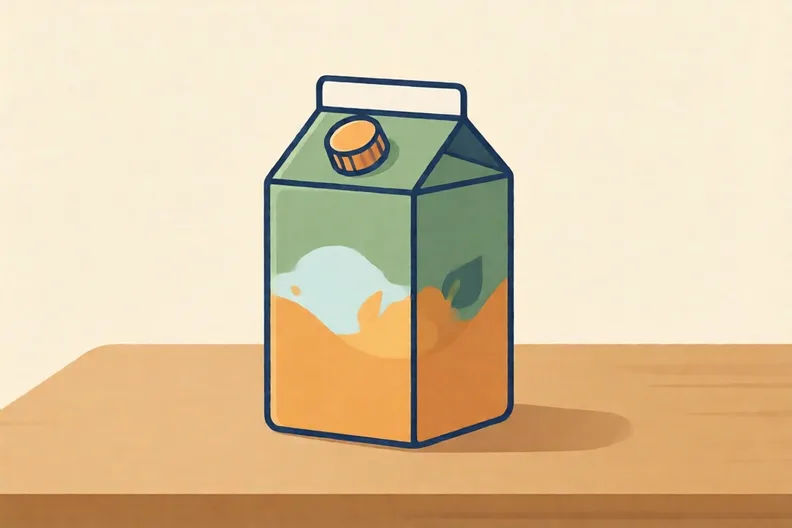
Watch me
A plain juice carton standing on a kitchen table

The juice company wants you to buy its juice.

It says its juice is the healthiest.

Who benefits? The company does, so look for independent evidence.

Now you
  1. 1.

    Who benefits if you believe the juice company? Circle one.

    Made-up juice boxes sold0510152025303540Before advertAfter advert
    The juice companyThe schoolNobody at all

C Your turn8 min

Read each claim. Who gains if you believe it? Circle one.
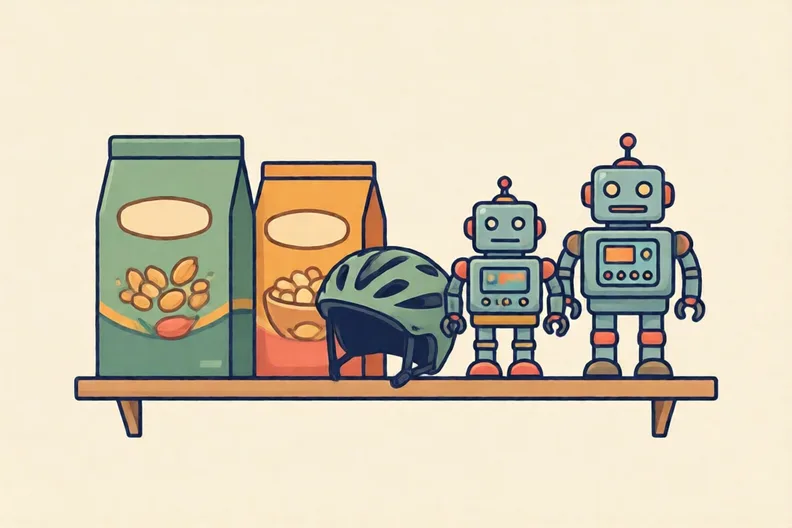
A shop shelf with boxes of cereal, a bike helmet and toy robots
  1. 1.

    A bike shop says its helmets are the safest. Does the shop gain if you believe it?

    Yes, the shop gainsNo, the shop gains nothing
  2. 2.

    A test lab with no link to any shop tests helmets and reports the results. Does the lab gain if you believe it?

    Yes, the lab gainsNo, the lab gains nothing
  3. 3.

    A helmet maker pays a lab to test its helmets, then says they are the best. Does the maker gain if you believe it?

    Yes, the maker gainsNo, the maker gains nothing
  4. 4.

    A friend who sells nothing says the bike path is safe. Does the friend gain if you believe it?

    Yes, the friend gainsNo, the friend gains nothing

Say it out loud: What changed in each row? Who was speaking, and did they stand to gain?

D Spot the mistake3 min
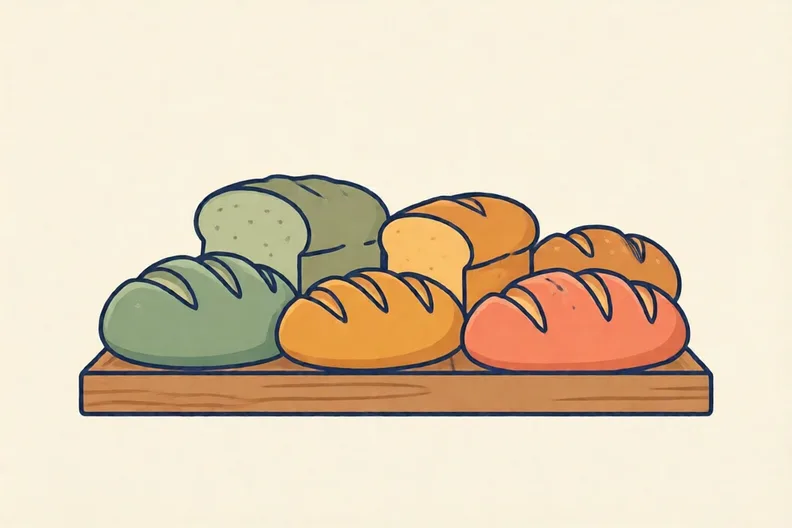
Loaves of bread on a bakery shelf
Lily says: “The bakery says its bread is the healthiest, so it must be true.”
  1. 1.

    What is wrong with Lily's thinking? Write one or two sentences.

E Think deeper4 min

  1. 1.

    A bike shop says helmets protect your head. The chart shows a made-up test by a lab with nothing to gain. Does a vested interest always mean a claim is false? Explain.

    Made-up lab test: falls with no head injury012345678910With helmetWithout helmet

How did it feel?

I can do it Nearly Not yet
StudyDen · Year 4 · Critical thinking · Year 4 critical thinkingAnswers are on the grown-up page

For the grown-up

Who Gains From This? · 2 minutes to read

Answers, and what a wrong one tells you

A

1. 5

2. Opinion your child may think it is a fact because many people agree. Ask whether it can be checked with evidence, or whether it is a view.

3. Look for: Names one more round thing, such as a ball, plate, coin or clock, and gives a reason it is round.

B

1. The juice company your child may have picked the school because it sounds fair. Point to the sales bars and ask who gains when sales rise.

C

1. Yes, the shop gains your child may think a shop does not gain from a claim. Ask what the shop gets when people buy.

2. No, the lab gains nothing

3. Yes, the maker gains your child may think paid tests are fair. Remind them the maker paid for the test and wants sales.

4. No, the friend gains nothing

D

1. Look for: Lily trusts the bakery because it said so; the bakery gains from sales, so the claim needs independent evidence. your child may think a claim is true because the seller says so. Ask who benefits and look for evidence from someone with nothing to gain.

E

1. Look for: Says a vested interest is not automatically proof that a claim is false, gives an example such as a shop selling helmets, and mentions checking independent evidence.

Words to use

Say“Who gains if you believe this? What evidence would someone with nothing to gain look at?”
Instead of“Tell them the claim is wrong because the seller wants money.”

After the sheet

Look at two food packets or adverts at home together. Ask who makes money if you believe each one, and what independent check you could make.

Tick what your child got right in StudyDen. Anything missed comes back in a later Look back box, so there's no need to redo the sheet.

The rest of this unit

5 more sheets come with a StudyDen plan, in teaching order:

  1. Claim, reason, rebuttal(with a plan)
  2. Hidden Third Factors(with a plan)
  3. Links are not causes(with a plan)
  4. Correlation or causation?(with a plan)
  5. Four tools together(with a plan)

Every Year 4 critical thinking worksheet

The worksheets plan opens a printable sheet for every lesson in Years 1 to 6, each with its answers on a separate page for you. It costs £6.99 a month or £59 a year for the whole family, with no free trial.

The full StudyDen plan adds the lessons themselves, marked as your child works, with the worksheets included. It is 7 days free, then £29.99 a month.

Both start with a free account; you choose the plan when you sign up.