← Year 4 history worksheets

Year 4 Ancient Greek civilisation: what do we know about ancient Greece? worksheet

“Where and when was Greece?” is free to print, with no account. It is the first sheet in the Year 4 history unit “Ancient Greek civilisation: what do we know about ancient Greece?”, for children aged 8 to 9, and takes about 22 minutes.

Print it on A4. The child's pages come first; the answers, and what each wrong answer tells you, are on the grown-up page that follows. Weeks 1 to 6 of the year, 6 sheets in the unit.

Free sample · answers on the last page

Where and when was Greece?

Name: ____________ · Date: ____________
Year 4 · History · about 22 minutes
Answers are on the grown-up page

Today I can say where Ancient Greece was and count years across BC and AD.

A Look back3 min

  1. 1.

    Which is further back in time? Circle your answer.

    600 BC500 BC400 BC300 BC200 BC100 BCAD 1
    500 BC200 BC
  2. 2.

    Write these in time order, earliest first: AD 1066, AD 43, AD 122.

    AD 1AD 100AD 200AD 300AD 400AD 500AD 600AD 700AD 800AD 90010001100
  3. 3.

    When you study the past, what is a good first step? Circle your answer.

    Look at sourcesExplain findings
    Ask a questionGuess the endingSkip the dates

B Watch me, then you4 min

Greek colonies began around 750 BC. By 117 AD, the Romans ruled almost all the old Greek land. How many years is that?

Watch me
800 BC600 BC400 BC200 BCAD 1AD 200Colonies startRomans rule

750 BC to 0 is 750 years.

0 to 117 AD is 117 years.

750 + 117 = 867 years.

Now you
  1. 1.

    Ancient Greece began around 900 BC. Greek colonies began around 750 BC. How many years apart is that?

    900 BC850 BC800 BC750 BC700 BCGreece beginsColonies start

C Your turn8 min

Count the years between each pair of dates. The timeline will help you.

  1. 1.

    From 500 BC to 300 BC is how many years?

    500 BC450 BC400 BC350 BC300 BCStartEnd
  2. 2.

    From 300 BC to 100 AD is how many years?

    300 BC200 BC100 BCAD 1AD 100StartEnd
  3. 3.

    From 31 BC to 117 AD is how many years?

    40 BCAD 1AD 40AD 80AD 120StartEnd
  4. 4.

    From 900 BC to 250 AD is how many years?

    900 BC600 BC300 BCAD 1AD 300StartEnd

Say it out loud: What changes when one date is BC and the other is AD? How does that change the way you count?

D Spot the mistake3 min

Kit says: “From 200 BC to 200 AD is 200 years.”
200 BC100 BCAD 1AD 100AD 200200 BC200 AD
  1. 1.

    How many years really pass from 200 BC to 200 AD?

E Think deeper4 min

Ancient Greece was many city-states, not one country. Greeks also built towns in Italy, Sicily, and parts of Africa and Asia. Look at the coast in the picture.
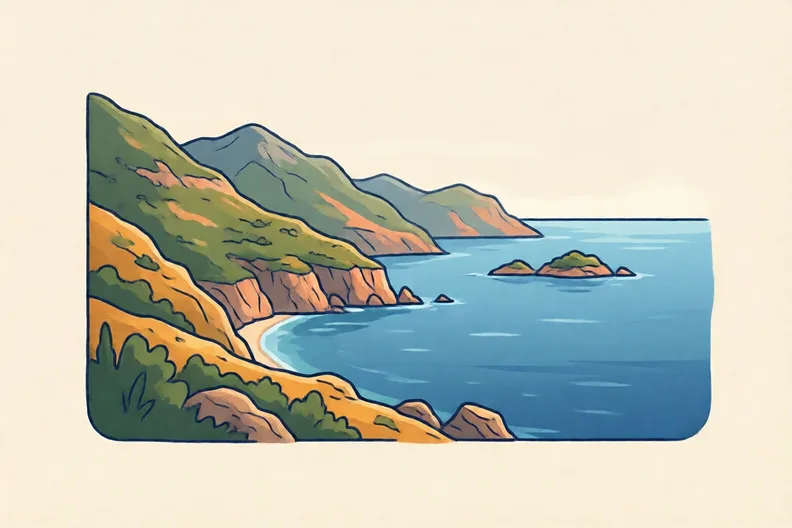
Mountains, small islands and blue sea on a Greek coast
  1. 1.

    Is modern Greece the same place as Ancient Greece? Explain your answer using two facts from this page.

How did it feel?

I can do it Nearly Not yet
StudyDen · Year 4 · History · Ancient Greek civilisation: what do we know about ancient Greece?Answers are on the grown-up page

For the grown-up

Where and when was Greece? · 2 minutes to read

Answers, and what a wrong one tells you

A

1. 500 BC your child picked 200 BC. Remind them that BC counts down towards 1, so the bigger number is further back.

2. AD 43, AD 122, AD 1066 your child may have put the biggest number first. For AD dates, the smaller number is earlier, so start with the smallest.

3. Ask a question your child may have picked guessing. Historians start with a question, then check sources to see what they show.

B

1. 150 your child may have added the years to get 1650. Both dates are BC, on the same side of 0, so the years are taken away.

C

1. 200 your child may have added the dates to get 800. Both dates are BC, so they are on the same side of 0. Take them away from each other.

2. 400 your child may have done 300 − 100 = 200. This forgets the years from 300 BC up to 0. Count to 0 first, then add the 100 AD years.

3. 148 your child may have done 117 − 31 = 86, taking the BC years away as if both dates were AD. Ask them to count back from 31 BC to 0, then forwards to 117 AD.

4. 1150 your child may have done 900 − 250 = 650, taking the dates away. Count back from 900 BC to 0, then add the 250 AD years.

D

1. 400 If your child wrote 0, they took the dates away from each other. Count the 200 years back to 0, then add the 200 AD years.

E

1. Look for: Says no, the places are different, and gives two facts such as Ancient Greece being many city-states or Greek towns reaching Italy, Sicily, Africa or Asia.

Words to use

Say“Which of these two dates is further back? How do you know?”
Instead of“Just subtract the two dates and move on, without asking why.”

After the sheet

On a long strip of paper, mark 10 BC on the left and 10 AD on the right. Count the years across the gap together, then try 50 BC to 50 AD.

Tick what your child got right in StudyDen. Anything missed comes back in a later Look back box, so there's no need to redo the sheet.

The rest of this unit

5 more sheets come with a StudyDen plan, in teaching order:

  1. Who Had a Say in Athens?(with a plan)
  2. Rival cities, Sparta and Athens(with a plan)
  3. What myths can tell us(with a plan)
  4. Many cities, one Greek world(with a plan)
  5. What We Know(with a plan)

Every Year 4 history worksheet

The worksheets plan opens a printable sheet for every lesson in Years 1 to 6, each with its answers on a separate page for you. It costs £6.99 a month or £59 a year for the whole family, with no free trial.

The full StudyDen plan adds the lessons themselves, marked as your child works, with the worksheets included. It is 7 days free, then £29.99 a month.

Both start with a free account; you choose the plan when you sign up.