← Year 5 design and technology worksheets

Year 5 CAD structures: architecture worksheet

“Green homes, old and new” is free to print, with no account. It is the first sheet in the Year 5 design and technology unit “CAD structures: architecture”, for children aged 9 to 10, and takes about 20 minutes.

Print it on A4. The child's pages come first; the answers, and what each wrong answer tells you, are on the grown-up page that follows. Weeks 1 to 8 of the year, 8 sheets in the unit.

Free sample · answers on the last page

Green homes, old and new

Name: ____________ · Date: ____________
Year 5 · Design & technology · about 20 minutes
Answers are on the grown-up page

Today I can explain why a sustainable building does not have to be brand new.

A Look back3 min

  1. 1.

    A box frame wobbles. Name the shape you can add to its corners to make it stiffer.

  2. 2.

    Which is harder to squash: a flat sheet of card, or the same card folded into a box?

  3. 3.

    Circle the word for the point a lever turns on.

    pivot
    pivotpulleyaxle

B Watch me, then you4 min

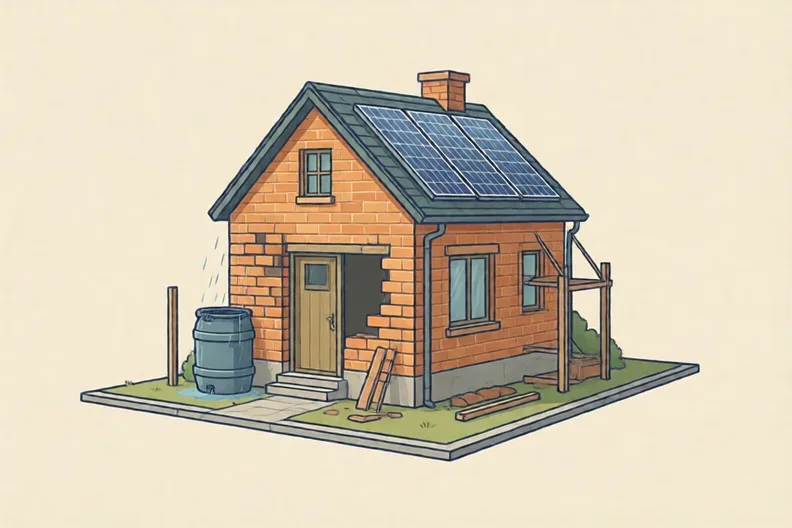
Ayo wants a home that is kind to the planet. The house on the site is old, so the team repairs and reuses it rather than starting again.
Watch me
A small brick house on a built-up plot, with a rain barrel and solar panels on the roof

The plot was already built on, so no green land was lost.

Old bricks are kept and reused, so fewer new bricks are made.

A rain barrel and solar panels help the house use less water and energy.

Now you
  1. 1.

    Which choice helps this house be more sustainable? Circle one.

    Reuse bricks from the old wallPull down the house and build all new bricksCover the garden with a new car park

C Your turn6 min

Read each question, then circle the choice that is kindest to the planet.
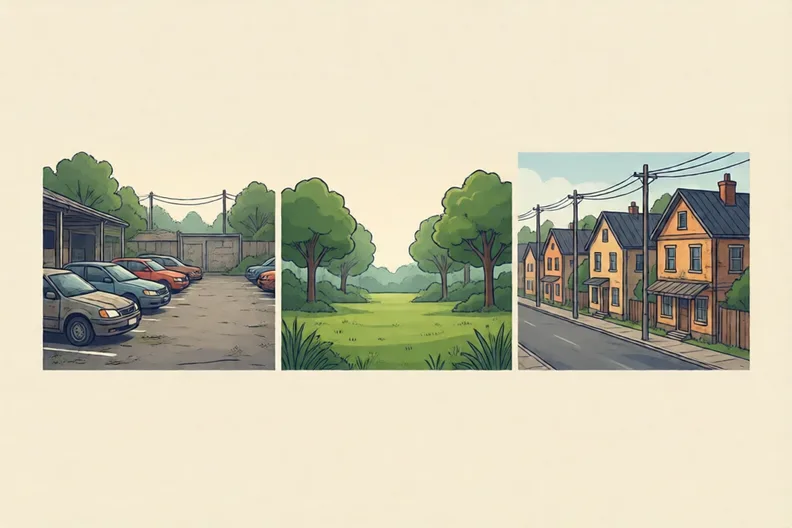
Three building plots: an old car park, an empty green field, and a built-up street
  1. 1.

    Which site is the best choice for a sustainable house? Circle one.

    An old car park in the townA new field cleared of treesAn untouched hill in the countryside
  2. 2.

    Which roof helps the planet most? Circle one.

    Solar panels that catch sunlightA big fan that runs all dayA roof with no way to catch any energy
  3. 3.

    Which water idea is kind to the planet? Circle one.

    Collect rain in a water buttLet the tap run while brushing teethWater the garden with a hose every hour
  4. 4.

    Which way of cooling a house in summer is kindest to the planet? Circle one.

    Windows on opposite sides that openAir conditioning all year roundElectric fans in every room

Say it out loud: What was the same in every question? What did the best choice do with the things already there?

D Spot the mistake3 min
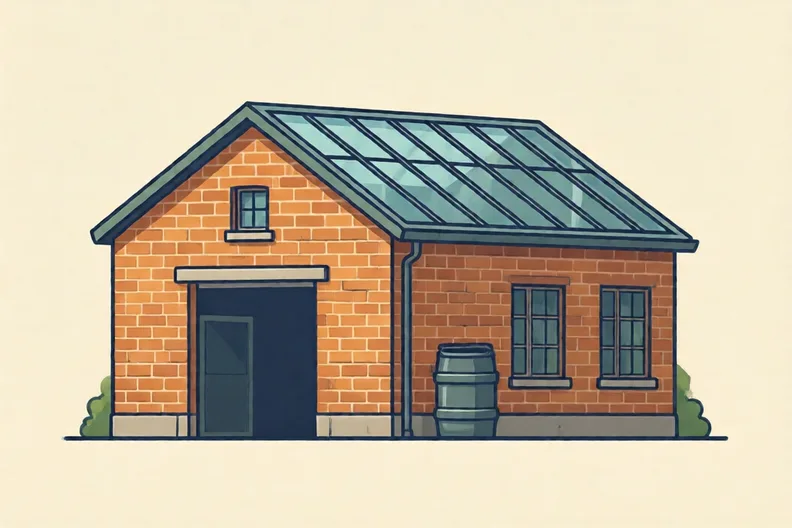
An old brick warehouse with a new glass roof and a rain barrel beside it
Kit says: “A house is only sustainable if it was built this year.”
  1. 1.

    Write one reason Kit is wrong.

E Think deeper4 min
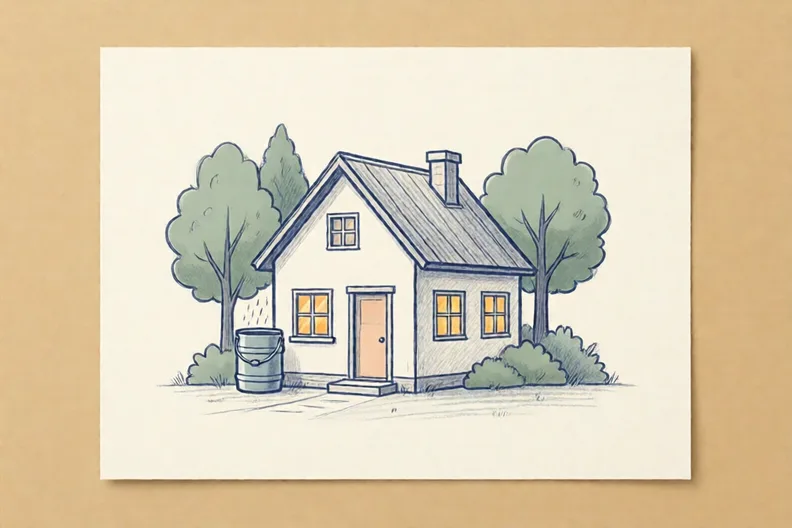
A pencil sketch of a small house with a rain barrel and windows facing the sun
  1. 1.

    Think of a building near you. Explain one way it could reuse materials, save energy or save water.

How did it feel?

I can do it Nearly Not yet
StudyDen · Year 5 · Design & technology · CAD structures: architectureAnswers are on the grown-up page

For the grown-up

Green homes, old and new · 2 minutes to read

Answers, and what a wrong one tells you

A

1. Look for: Says a triangle, or a diagonal strut that makes a triangle.

2. Look for: Says the card folded into a box. If they say the flat sheet, let them press on both. Folding card into a box shape makes it much stiffer.

3. pivot

B

1. Reuse bricks from the old wall If they chose the new bricks, they may think new always means green. Ask: what happens to the old bricks if we don't reuse them?

C

1. An old car park in the town If they chose the green field, ask what would be lost. A site already built on keeps green land safe.

2. Solar panels that catch sunlight If they chose the fan, ask whether it uses electricity all day. Solar panels use the sun instead.

3. Collect rain in a water butt If they chose the hose, ask where the water comes from. Rain is free and it falls anyway.

4. Windows on opposite sides that open If they chose fans or air conditioning, ask what powers them. Windows on opposite sides let the breeze cool the house for free.

D

1. Look for: Says that older or reused buildings can be sustainable, so a building does not need to be new. Kit thinks new means green. Ask: what happens to a building's old bricks if nobody reuses them?

E

1. Look for: Names one real way a building could reuse materials, save energy or save water, with a reason.

Words to use

Say“What did the old building already have? How could it be used again instead of thrown away?”
Instead of“A new building is always the greener choice.”

After the sheet

With a cardboard box lid, a jar and some tape, make a small rain collector. Tape the lid so it slopes into the jar. Pour a cup of water onto the lid and see how much reaches the jar.

Tick what your child got right in StudyDen. Anything missed comes back in a later Look back box, so there's no need to redo the sheet.

The rest of this unit

7 more sheets come with a StudyDen plan, in teaching order:

  1. Looking at a design(with a plan)
  2. Moving, turning and resizing(with a plan)
  3. Hollow Shapes in Tinkercad(with a plan)
  4. Complex shapes in Tinkercad(with a plan)
  5. Building an eco-house(with a plan)
  6. Critique or evaluate?(with a plan)
  7. Exploded diagrams in CAD(with a plan)

Every Year 5 design and technology worksheet

The worksheets plan opens a printable sheet for every lesson in Years 1 to 6, each with its answers on a separate page for you. It costs £6.99 a month or £59 a year for the whole family, with no free trial.

The full StudyDen plan adds the lessons themselves, marked as your child works, with the worksheets included. It is 7 days free, then £29.99 a month.

Both start with a free account; you choose the plan when you sign up.