← Year 5 design and technology worksheets

Year 5 Combining fabrics: accessible textiles worksheet

“Designing for Everyone” is free to print, with no account. It is the first sheet in the Year 5 design and technology unit “Combining fabrics: accessible textiles”, for children aged 9 to 10, and takes about 20 minutes.

Print it on A4. The child's pages come first; the answers, and what each wrong answer tells you, are on the grown-up page that follows. Weeks 17 to 24 of the year, 8 sheets in the unit.

Free sample · answers on the last page

Designing for Everyone

Name: ____________ · Date: ____________
Year 5 · Design & technology · about 20 minutes
Answers are on the grown-up page

Today I can explain how a textile product can be changed to suit a particular user.

A Look back3 min

  1. 1.

    Look at the design cycle. Circle the word that goes in the gap.

    DesignTestImprove
    MakeWashSleep
  2. 2.

    Which stitch joins two pieces of fabric with a straight row of small stitches? Circle one.

    Running stitchChain stitchCross stitch
  3. 3.

    Sort these fabrics. Write each card in the right column.

    knitted jerseystretchy elasticstiff denimthick canvas
    StretchesDoes not stretch

B Watch me, then you4 min

Sami has arthritis and finds small zip tags very hard to grip. A bag maker changes the closure so Sami can open the bag easily.
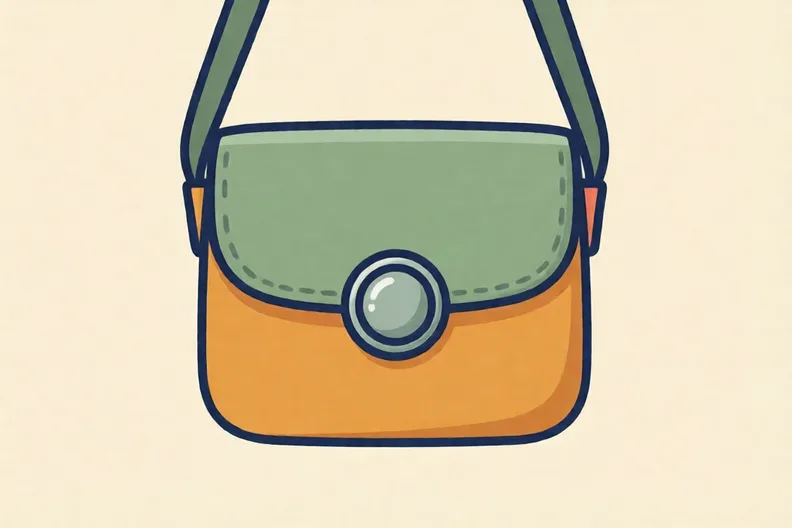
Watch me
A flat shoulder bag with a large, round magnetic clasp on its top flap.

The user is Sami. Sami cannot grip a small zip tag.

Change the zip to a large magnetic clasp.

Sami can now open the bag with a light press.

Now you
  1. 1.

    Kai has arthritis and finds laces hard to tie. Circle the best change for Kai's trainers.

    Hook-and-loop fastenersLonger laces to tieStiff buckles that are hard to pull

C Your turn6 min

Each row has a new user. Circle the change that suits that user best.

  1. 1.

    Ravi uses a wheelchair and cannot reach a zip on his back. Circle the best change.

    A zip at the frontA zip on the backA zip with a tiny pull
  2. 2.

    Ella can only use one hand, so she cannot hold her coat steady while she does up small hooks. Circle the best change.

    Magnetic closureSmall metal hookTiny zip tag
  3. 3.

    Zain has eczema and his skin gets sore from rough fabric. Circle the best change.

    Rough labels insideSoft seams with no labelsStiff metal trim
  4. 4.

    Mina uses a wheelchair and needs her bag to stay within reach on the side of the chair. Circle the best change.

    Wider straps that hook over the frameThin cord strapsLong straps that drag on the floor

Say it out loud: What did each user need? Did the best choice stay the same when the user changed?

D Spot the mistake3 min
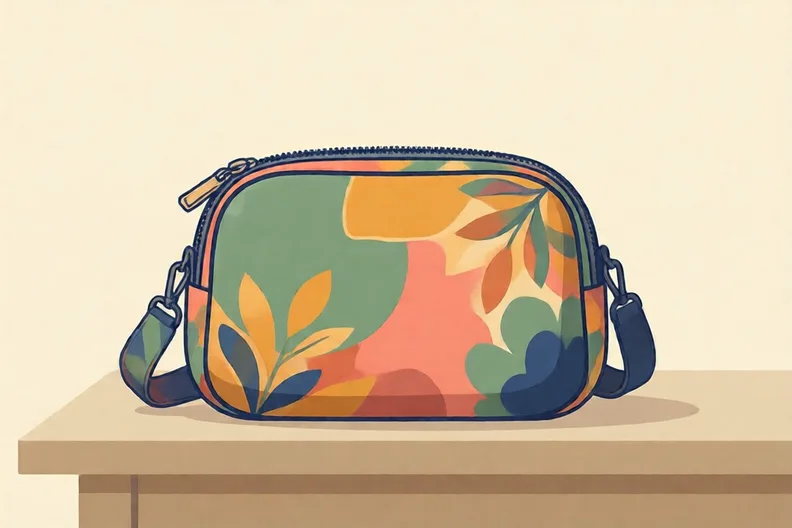
A brightly patterned bag with a very small zip tag
Lia says: “A bag only needs to look nice, so the zip does not matter.”
  1. 1.

    Explain why Lia is wrong. Use the word user in your answer.

E Think deeper3 min

  1. 1.

    Make up a user with one need. Write one line saying which feature of a bag would help them.

How did it feel?

I can do it Nearly Not yet
StudyDen · Year 5 · Design & technology · Combining fabrics: accessible textilesAnswers are on the grown-up page

For the grown-up

Designing for Everyone · 2 minutes to read

Answers, and what a wrong one tells you

A

1. Make If they circle Wash or Sleep, they are not thinking about making. Ask: what do you do straight after you draw your plan?

2. Running stitch If they circle Cross stitch, it may be decoration. Ask: which stitch makes a plain straight seam between two pieces?

3. Stretches: knitted jersey, stretchy elastic · Does not stretch: stiff denim, thick canvas If jersey is in the wrong column, ask them to pull the fabric gently. Jersey stretches back; denim stays stiff.

B

1. Hook-and-loop fasteners If they circle Longer laces, the laces are still fiddly. Ask: which fastener needs no tying at all?

C

1. A zip at the front If they circle the zip on the back, they have not used Ravi's need. Ask: can Ravi reach it while sitting in his chair?

2. Magnetic closure

3. Soft seams with no labels

4. Wider straps that hook over the frame If they circle thin cord, ask: would a thin strap be easy to grip and hold the bag steady on the frame?

D

1. Look for: Says the user must be able to open or use the zip, so function matters as well as looks. If they only say the bag looks wrong, ask: could someone with sore hands open this zip?

E

1. Look for: A described user with one need, and one bag feature that would meet that need.

Words to use

Say“Who is this for, and what would make it easy for them?”
Instead of“That looks nice. Let's move on.”

After the sheet

Look at a coat or school bag at home. Find one feature that helps someone. Ask who it helps and why. No cutting or tools are needed.

Tick what your child got right in StudyDen. Anything missed comes back in a later Look back box, so there's no need to redo the sheet.

The rest of this unit

7 more sheets come with a StudyDen plan, in teaching order:

  1. Fabric that works and looks good(with a plan)
  2. Plans that can change(with a plan)
  3. Seams and Curves(with a plan)
  4. Pockets, Slots and Seams(with a plan)
  5. Fasteners for every hand(with a plan)
  6. Finish a personal pouch(with a plan)
  7. Writing about impact(with a plan)

Every Year 5 design and technology worksheet

The worksheets plan opens a printable sheet for every lesson in Years 1 to 6, each with its answers on a separate page for you. It costs £6.99 a month or £59 a year for the whole family, with no free trial.

The full StudyDen plan adds the lessons themselves, marked as your child works, with the worksheets included. It is 7 days free, then £29.99 a month.

Both start with a free account; you choose the plan when you sign up.