← Year 6 design and technology worksheets

Year 6 Cams: automata worksheet

“Cam shapes and movement” is free to print, with no account. It is the first sheet in the Year 6 design and technology unit “Cams: automata”, for children aged 10 to 11, and takes about 24 minutes.

Print it on A4. The child's pages come first; the answers, and what each wrong answer tells you, are on the grown-up page that follows. Weeks 1 to 8 of the year, 8 sheets in the unit.

Free sample · answers on the last page

Cam shapes and movement

Name: ____________ · Date: ____________
Year 6 · Design & technology · about 24 minutes
Answers are on the grown-up page

Today I can name cam shapes and describe the movement each one makes.

A Look back3 min

  1. 1.

    A lever turns around a fixed point. What is that point called?

    pivot
    pivotaxleslidefollower
  2. 2.

    A pulley changes the direction of a pull. When the rope is pulled down, which way does the load go?

    pull
    updownsideways
  3. 3.

    Why do frames and bridges so often use triangles? Pick the best reason.

    triangles cannot be pushed out of shapetriangles are the easiest shape to drawtriangles weigh nothing

B Watch me, then you4 min

Ola is making a wooden bird that bobs up and down. She tries an oval cam with its hole in the middle.
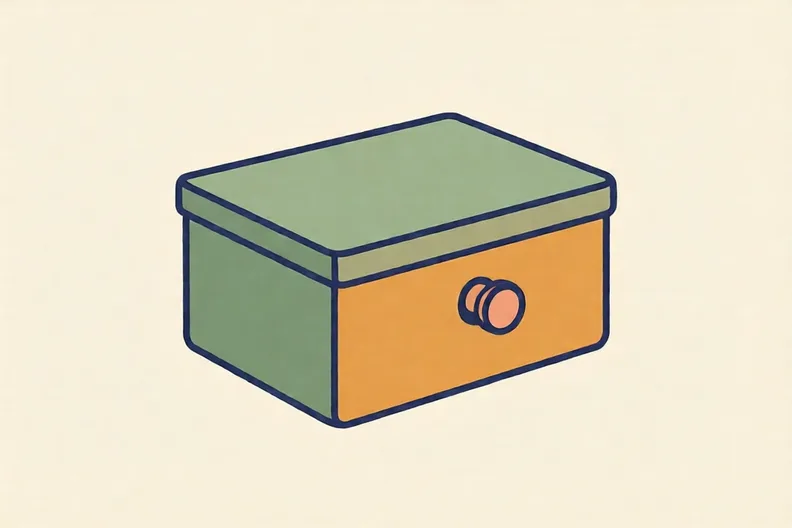
A wooden toy box with a small handle on one side
Watch me

This cam is an oval with its hole in the middle.

Its edge is far from the hole in two places.

So the follower lifts and drops twice in each turn.

Now you
  1. 1.

    A circle with its hole in the middle is spun. Does its follower rise and fall?

    yesno
  2. 2.

    A pear cam is round at one end and pointed at the other. What does its follower do while the round end turns under it?

    stays still for a whiledrops suddenlykeeps moving up and down

C Your turn8 min

Each row has a different cam shape. Circle the movement its follower makes.

  1. 1.

    Mia spins a round disc whose hole is away from its centre. What movement does its follower make?

    smooth and steady rise and fallrise then sudden droplong pause in the low positionrises twice each turn
  2. 2.

    A snail cam, shaped like a spiral, is spun. What movement does its follower make?

    smooth and steady rise and fallrise then sudden droplong pause in the low positionrises twice each turn
  3. 3.

    A pear cam, wide at one end, is spun. What movement does its follower make?

    smooth and steady rise and fallrise then sudden droplong pause in the low positionrises twice each turn
  4. 4.

    An elliptical cam, an oval with its hole in the middle, is spun. What does its follower do that the follower on Mia's off-centre disc does not?

    smooth and steady rise and fallrise then sudden droplong pause in the low positionrises twice each turn

Say it out loud: What changed from row to row, and what stayed the same?

D Spot the mistake3 min
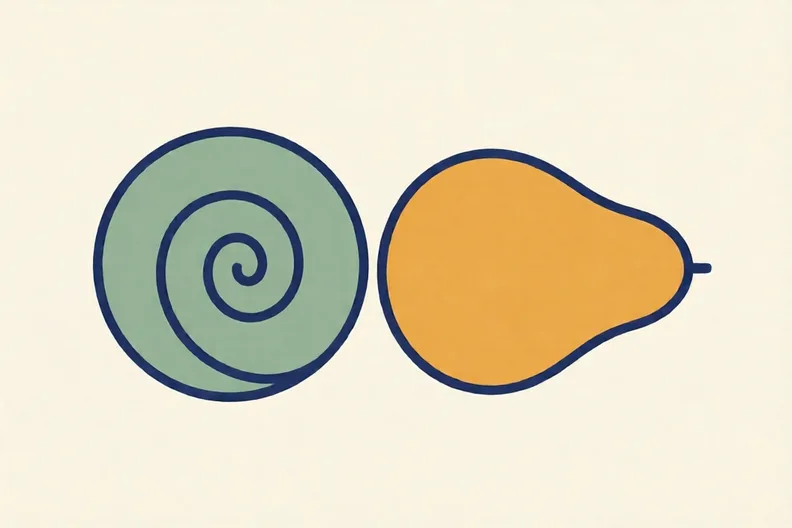
Two flat wooden cam discs side by side on a table
Ravi says: “A snail cam and a pear cam both make the follower go up and down in exactly the same way.”
  1. 1.

    Is Ravi right? Circle your answer.

    Yes, both move the same wayNo, the two shapes make different movementsYes, because both are wooden discs

E Think deeper4 min

  1. 1.

    Ola wants her bird to bob up and down steadily. Which cam shape would you choose, and where would its hole go? Explain why in two or three sentences.

How did it feel?

I can do it Nearly Not yet
StudyDen · Year 6 · Design & technology · Cams: automataAnswers are on the grown-up page

For the grown-up

Cam shapes and movement · 2 minutes to read

Answers, and what a wrong one tells you

A

1. pivot If they say axle, they have named the rod a wheel turns on. Point to the spot where the lever itself turns, then say its name.

2. up If they say down, they have thought the load copies the pull. Ask them to trace the rope over the top wheel and follow it to the load.

3. triangles cannot be pushed out of shape

B

1. no If they say yes, they think any round disc moves the follower. Ask them how far the edge is from the hole, and whether that distance changes as it turns.

2. stays still for a while

C

1. smooth and steady rise and fall If they pick the sudden drop, they have mixed it up with the snail cam. A round disc has no step in its edge, so its follower rises and falls smoothly.

2. rise then sudden drop If they pick the steady rise, they have treated every cam the same. Ask them to trace the spiral from its widest point to its narrowest point.

3. long pause in the low position

4. rises twice each turn

D

1. No, the two shapes make different movements If they pick a yes, they believe every cam moves the follower the same way. Ask them what the snail cam does that the pear cam does not.

E

1. Look for: Names a cam that gives a smooth, steady rise and fall, such as a round cam with its hole off-centre or an oval cam with its hole in the middle, and links its shape to that movement.

Words to use

Say“Which shape gives that movement? Show me with your finger how the edge changes as it turns.”
Instead of“Tell them the words and move on without checking the shapes.”

After the sheet

With a grown-up cutting the card, make two discs from an old cereal box. Push a pencil through one at its centre and one off-centre. Spin each slowly and feel how the edge changes.

Tick what your child got right in StudyDen. Anything missed comes back in a later Look back box, so there's no need to redo the sheet.

The rest of this unit

7 more sheets come with a StudyDen plan, in teaching order:

  1. Cams in a product(with a plan)
  2. Choosing the right wood(with a plan)
  3. Cutting to see inside(with a plan)
  4. Accurate Cuts and Strong Corners(with a plan)
  5. Measure twice, cut once(with a plan)
  6. Tight or loose fit(with a plan)
  7. Test, adapt, test again(with a plan)

Every Year 6 design and technology worksheet

The worksheets plan opens a printable sheet for every lesson in Years 1 to 6, each with its answers on a separate page for you. It costs £6.99 a month or £59 a year for the whole family, with no free trial.

The full StudyDen plan adds the lessons themselves, marked as your child works, with the worksheets included. It is 7 days free, then £29.99 a month.

Both start with a free account; you choose the plan when you sign up.