Design for everyone
Today I can explain how accessible design and bold colour can help more people.
A Look back3 min
- 1.
Circle the mechanism shown in the picture.
leverpulleywheel and axle - 2.
Circle the 3D shape in the picture.
cubecylindercone - 3.
Circle the mechanism shown in the picture.
leverpulleywheel and axle
B Watch me, then you4 min
Ola is much shorter than her friends. Her classroom chair is the same height as everyone else's. How could the chair change to suit her?
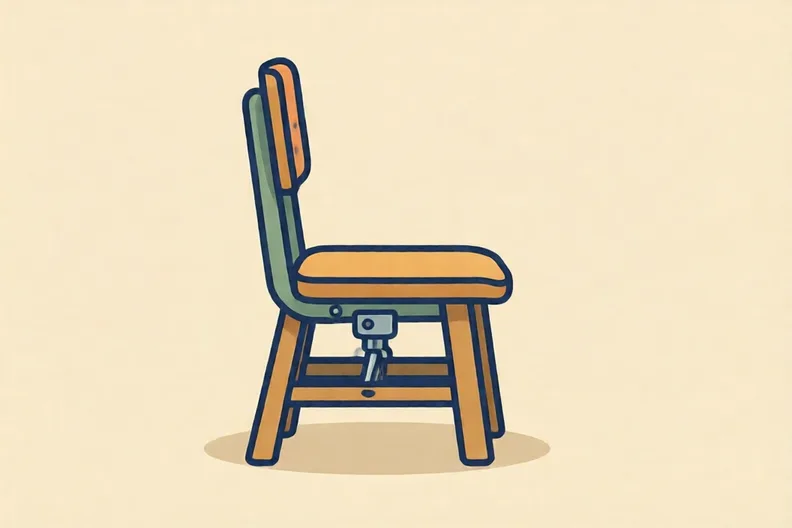
Problem: the seat is too high for Ola to rest her feet.
Change: add a lever under the seat so the seat can be lowered.
Who it helps: shorter pupils, and anyone who sits for a long time.
- 1.
A bus step is high for young children. Write one change that would help them get on.
- 2.
A jar lid is hard to twist for someone with weak hands. Write one change that helps.
C Your turn6 min
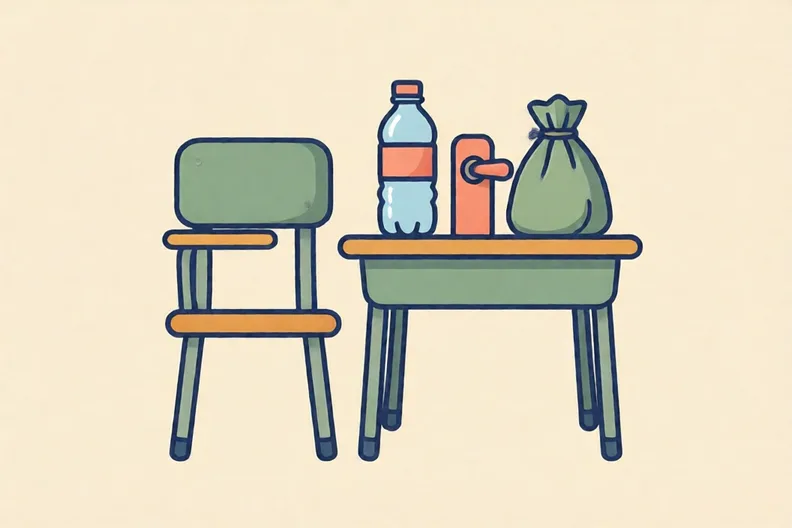
Look at the objects in the picture. Each question changes one feature. Circle the choice that suits more people.
- 1.
Which handle is easier to grip for someone with weak hands? Circle one.
a thin metal bara big soft loop - 2.
Which chair seat suits a shorter pupil? Circle one.
a seat fixed at one high heighta seat that can be lowered - 3.
Which label helps the most people? Circle one.
small words in one dark colourlarge picture symbols in bold colours - 4.
Which seat is more comfortable for a long sit? Circle one.
a flat hard seata seat with soft padding
Say it out loud: What was different about the choice that helped more people? Say it to your grown-up.
D Spot the mistake3 min
- 1.
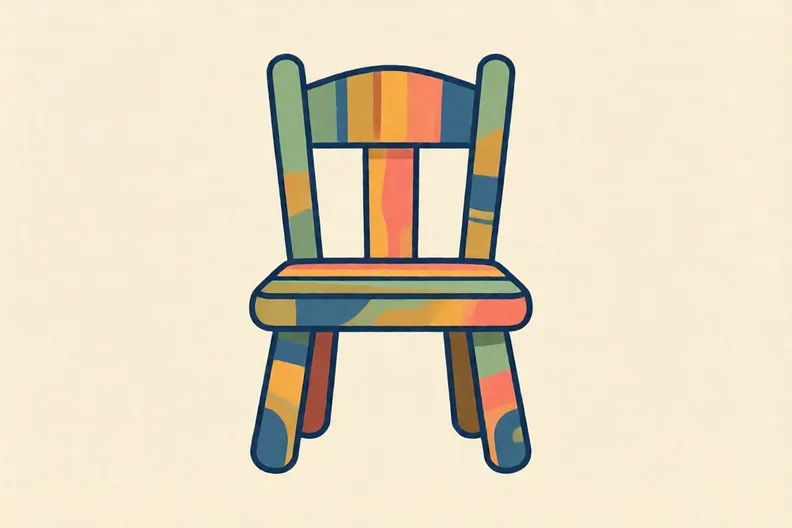
Yinka Ilori is a London designer who makes chairs and benches in bold colours and patterns. Explain in one or two sentences why Kit is wrong.
E Think deeper4 min
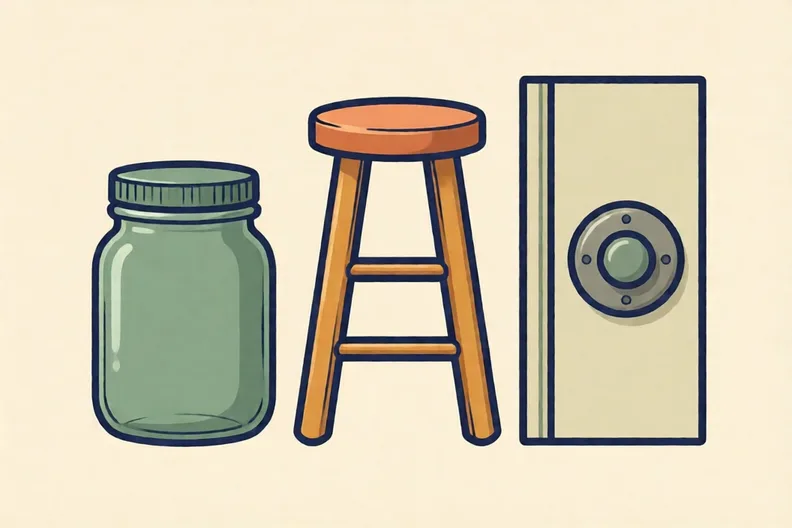
Think of someone you know who finds one everyday thing hard to use. You can make up the person if you prefer.
- 1.
Name the everyday product and describe one change that would help this person. Explain who else would benefit from the change.