← Year 3 computing worksheets

Year 3 Stop-frame animation worksheet

“What is animation?” is free to print, with no account. It is the first sheet in the Year 3 computing unit “Stop-frame animation”, for children aged 7 to 8, and takes about 20 minutes.

Print it on A4. The child's pages come first; the answers, and what each wrong answer tells you, are on the grown-up page that follows. Weeks 7 to 12 of the year, 6 sheets in the unit.

Free sample · answers on the last page

What is animation?

Name: ____________ · Date: ____________
Year 3 · Computing · about 20 minutes
Answers are on the grown-up page

Today I can understand that animation is a sequence of still pictures shown quickly.

A Look back3 min

  1. 1.

    The robot starts on the top-left square. Which arrows take it to the star? Circle your answer.

    → → ↓↓ ↓ →→ ↓ ↓
  2. 2.

    Which fruit got the most votes? Circle your answer.

    Favourite fruit012345678applebananapear
    applebananapear
  3. 3.

    Which word goes in the empty box? Circle your answer.

    PlanMakeShare
    IdeaSharePrint

B Watch me, then you4 min

A ball bounces up. An animator draws three still pictures of it. Each picture shows the ball in a different place.
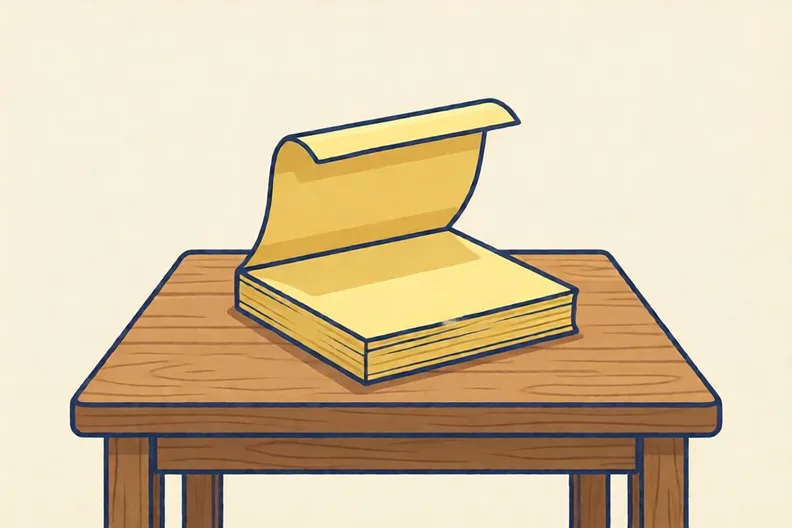
A pad of sticky notes on a table, with the top sheet bent back
Watch me
Frame 1: on groundFrame 2: mid-airFrame 3: at top

Each frame is one still picture. A still picture does not move on its own.

Put the frames in order and show them quickly.

Your brain joins them, so the ball seems to rise.

Now you
  1. 1.

    Frame 2 of a waving arm is blank. Write what the arm looks like in frame 2.

    Frame 1: arm downFrame 3: arm up high

C Your turn7 min

Answer each question about still pictures and animation.

  1. 1.

    Which of these is a still image? Circle your answer.

    one page of a flipbook drawn on its owna flipbook flicked quicklya cartoon played on a screen
  2. 2.

    Number these flipbook steps 1 to 4 in the order you do them.

    Page 1Page 2Page 3Page 4
    1. Flick the pages quickly from back to front
    2. Fill in every page to the end
    3. Draw the first page on the bottom sheet
    4. Change one small part on each new page
  3. 3.

    Join each word to its meaning. Draw a line from each word.

    animationsequenceflipbookstill image
    a single picture that does not move on its owna set of pictures in a special orderpictures shown very quickly so they seem to movea small book of pictures that look like they move when flicked
  4. 4.

    Sort these into two groups. Write each card in the right column.

    many bird photos, moved a bit each timeone photo of a bird on a brancha flipbook whose pages change a littlea single drawing stuck on the fridge
    This is animationThis is not animation

Say it out loud: Say it out loud: how many pictures does an animation need, and why?

D Spot the mistake3 min
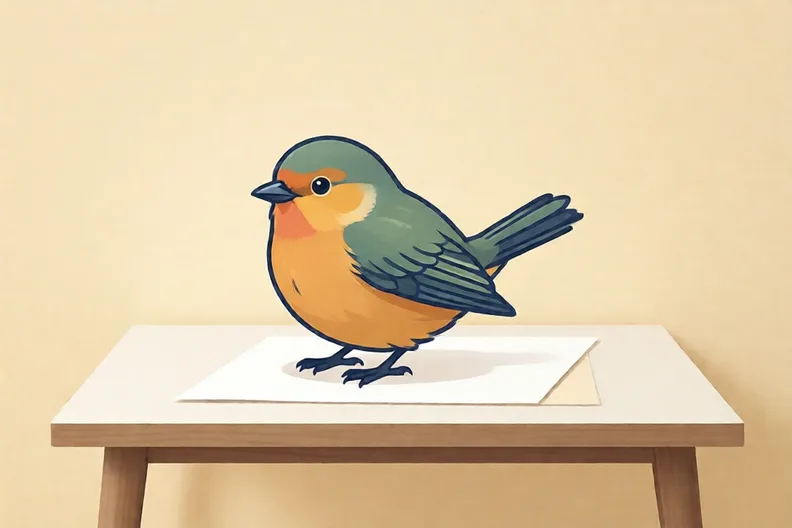
A single drawing of a small bird on a sheet of white card
Ravi says: “An animation is just one picture of a bird, drawn very carefully.”
  1. 1.

    Is Ravi right? Circle your answer.

    Yes, Ravi is rightNo, Ravi is wrong

E Think deeper4 min

  1. 1.

    Could one still picture be part of an animation? Explain your answer.

    Frame 1: ball lowFrame 2: ball middleFrame 3: ball high

How did it feel?1 min

I can do it Nearly Not yet
StudyDen · Year 3 · Computing · Stop-frame animationAnswers are on the grown-up page

For the grown-up

What is animation? · 2 minutes to read

Answers, and what a wrong one tells you

A

1. → → ↓ If they pick ↓ ↓ →, the robot went down first and ended on the wrong square. Ask your child to say each arrow out loud, one square at a time.

2. banana If your child picks apple, they may have looked at the first bar only. Ask them to compare all three bars side by side.

3. Idea If your child picks Share, they are thinking about the end. Ask what has to happen first before anything can be shared.

B

1. Look for: Says the arm is between down and up, a small change from frame 1, so it looks like it is moving. If your child writes arm down or arm up, that is the same as frame 1 or frame 3. Ask them where the arm would be after a tiny move.

C

1. one page of a flipbook drawn on its own If your child picks the flicked flipbook, that is the moving animation, not one picture. Ask them how many pictures are needed for the movement.

2. 1 Draw the first page on the bottom sheet · 2 Change one small part on each new page · 3 Fill in every page to the end · 4 Flick the pages quickly from back to front If your child flicks the pages first, there is nothing to see yet. Ask them what must exist before the pages can be flicked.

3. animation → pictures shown very quickly so they seem to move; sequence → a set of pictures in a special order; flipbook → a small book of pictures that look like they move when flicked; still image → a single picture that does not move on its own If your child joins sequence to the small book, ask which word means pictures in a special order and which means the book.

4. This is animation: many bird photos, moved a bit each time, a flipbook whose pages change a little · This is not animation: one photo of a bird on a branch, a single drawing stuck on the fridge If your child puts the single drawing in the animation column, ask what happens when one picture is shown on its own.

D

1. No, Ravi is wrong If your child circles Yes, they think one picture can be an animation. Ask them to flick a few pages of a flipbook and say which part moves.

E

1. Look for: Says yes, a picture can be one frame in a sequence, but one picture alone is not an animation. If your child says no, point to Frame 2. Ask: is it one still picture, and is it part of the ball moving?

Words to use

Say“Which picture comes next, and how is it different from the one before?”
Instead of“That's right, well done. Animation is just cartoons, so you can move on.”

After the sheet

Make a flipbook on sticky notes. Draw a stick person on the bottom sheet, change one small part on each page, then flick them from back to front.

Tick what your child got right in StudyDen. Anything missed comes back in a later Look back box, so there's no need to redo the sheet.

The rest of this unit

5 more sheets come with a StudyDen plan, in teaching order:

  1. Frames That Move(with a plan)
  2. Planning with storyboards(with a plan)
  3. Keeping frames the same(with a plan)
  4. Checking my animation(with a plan)
  5. Adding sounds and titles(with a plan)

Every Year 3 computing worksheet

The worksheets plan opens a printable sheet for every lesson in Years 1 to 6, each with its answers on a separate page for you. It costs £6.99 a month or £59 a year for the whole family, with no free trial.

The full StudyDen plan adds the lessons themselves, marked as your child works, with the worksheets included. It is 7 days free, then £29.99 a month.

Both start with a free account; you choose the plan when you sign up.