← Year 3 religious education worksheets

Year 3 Festivals: How do ancient stories influence modern celebrations? worksheet

“Rama and Sita's story” is free to print, with no account. It is the first sheet in the Year 3 religious education unit “Festivals: How do ancient stories influence modern celebrations?”, for children aged 7 to 8, and takes about 22 minutes.

Print it on A4. The child's pages come first; the answers, and what each wrong answer tells you, are on the grown-up page that follows. Weeks 7 to 12 of the year, 6 sheets in the unit.

Free sample · answers on the last page

Rama and Sita's story

Name: ____________ · Date: ____________
Year 3 · Religious education · about 22 minutes
Answers are on the grown-up page

Today I can tell the main parts of the story of Rama and Sita and why Hindus remember it.

A Look back3 min

  1. 1.

    Diwali usually comes in October or November. Which season is that in the UK? Circle it.

    SpringSummerAutumnWinter
    SpringSummerAutumnWinter
  2. 2.

    Stories can be passed on in different ways. Write the word for the empty box in the chain.

    ToldActed out
  3. 3.

    Hindus light lamps to remember Rama coming home. Which festival is this? Circle it.

    Rama comeshomeLampsare lit
    DiwaliEidChristmas

B Watch me, then you5 min

Rama was sent to the forest with his wife Sita and brother Lakshman. Ravana, king of Lanka, took Sita to his island. Hanuman leapt across the ocean to find her. Rama defeated Ravana and rescued Sita.
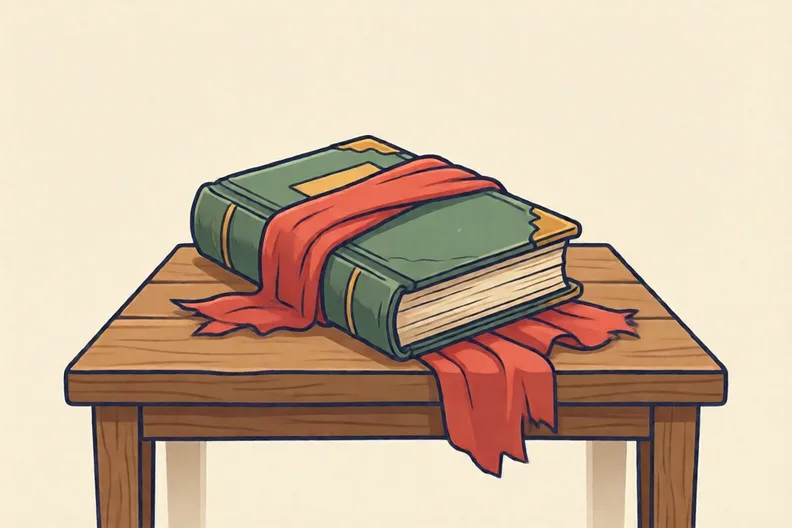
A closed old book wrapped in a red cloth on a wooden table
Watch me
Rama sent to forestRavana takes SitaHanuman finds SitaRavana defeatedRama comes home

The chain shows the story in order.

Rama is sent to the forest first.

Ravana takes Sita next, then Hanuman finds her.

Rama defeats Ravana, and then he comes home.

Now you
  1. 1.

    Number these four parts of the story in order, from 1 to 4.

    1. Hanuman leapt across the ocean
    2. Rama defeated Ravana
    3. Rama was sent to the forest
    4. Ravana took Sita

C Your turn7 min

Rama was sent to the forest. Ravana had ten heads. Hanuman leapt across the ocean to find Sita. Rama shows bravery and duty. Sita shows devotion. Ravana shows what pride can do.
A row of small clay lamps glowing on a windowsill at night
  1. 1.

    Which eldest son was sent to the forest? Circle the name.

    RamaHanumanRavana
  2. 2.

    Which king had ten heads and twenty arms? Circle the name.

    RamaRavanaHanuman
  3. 3.

    Which warrior leapt across the ocean to find Sita? Circle the name.

    RavanaHanumanRama
  4. 4.

    Join each character to what they show. Draw a line from each name to its match.

    RamaSitaRavana
    Shows devotionShows what pride can doShows bravery and duty

Say it out loud: What stayed the same in each question, and what changed from one question to the next?

D Spot the mistake3 min

Ravana was proud and clever. He had heard how beautiful Sita was. He used disguises to trick her into stepping over a magical line, then carried her away to Lanka.
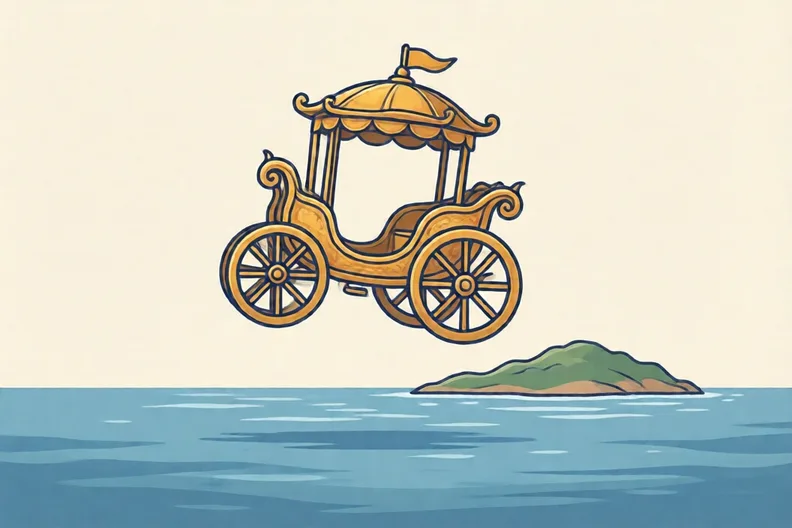
An empty golden chariot flying over a calm blue sea
Kit says: “Ravana had no reason at all to take Sita. He was just evil.”
  1. 1.

    Write one reason Ravana had for taking Sita.

E Think deeper4 min

Many Hindus see the story as a guide for how to live. Ravana was clever but proud. Think about what he could have done differently.
A long stone bridge stretching across a calm blue sea
  1. 1.

    Write one thing Ravana could have done instead of taking Sita. Explain why it would have been better.

How did it feel?

I can do it Nearly Not yet
StudyDen · Year 3 · Religious education · Festivals: How do ancient stories influence modern celebrations?Answers are on the grown-up page

For the grown-up

Rama and Sita's story · 2 minutes to read

Answers, and what a wrong one tells you

A

1. Autumn

2. Look for: Retold, or a close word such as shared or passed on.

3. Diwali

B

1. 1 Rama was sent to the forest · 2 Ravana took Sita · 3 Hanuman leapt across the ocean · 4 Rama defeated Ravana If they put Rama defeating Ravana first, ask what happened to Sita before Hanuman went to find her. Read the story aloud one part at a time.

C

1. Rama If they circle Ravana, remind them that Ravana took Sita. The eldest son who was sent away is Rama.

2. Ravana If they circle Rama, explain that Rama is the hero who wins. Ravana is the king of Lanka with ten heads.

3. Hanuman

4. Rama → Shows bravery and duty; Sita → Shows devotion; Ravana → Shows what pride can do If Sita is joined to bravery, explain that Rama shows bravery and duty. Sita shows devotion, which means loyal love and care.

D

1. Look for: A reason such as pride, or wanting Sita because he had heard how beautiful she was. If they say he had no reason, ask what Ravana wanted. Remind them he was proud and had heard how beautiful Sita was.

E

1. Look for: A sensible alternative to taking Sita, such as humility or respect, with a reason linked to pride or to living well.

Words to use

Say“Which part of the story do you think matters most, and why?”
Instead of“Tell them the story is just a fairy tale with no lessons in it.”

After the sheet

Take turns telling a favourite family story in three parts: beginning, middle and end. Each person adds one part.

Tick what your child got right in StudyDen. Anything missed comes back in a later Look back box, so there's no need to redo the sheet.

The rest of this unit

5 more sheets come with a StudyDen plan, in teaching order:

  1. Looking deeper into the Ramayana(with a plan)
  2. Diwali around the world(with a plan)
  3. Christmas data detectives(with a plan)
  4. Christmas then and now(with a plan)
  5. Shortest day, longest night(with a plan)

Every Year 3 religious education worksheet

The worksheets plan opens a printable sheet for every lesson in Years 1 to 6, each with its answers on a separate page for you. It costs £6.99 a month or £59 a year for the whole family, with no free trial.

The full StudyDen plan adds the lessons themselves, marked as your child works, with the worksheets included. It is 7 days free, then £29.99 a month.

Both start with a free account; you choose the plan when you sign up.