← Year 5 critical thinking worksheets

Year 5 Critical thinking: Autumn 2 worksheet

“Spotting False Dilemmas in Adverts” is free to print, with no account. It is the first sheet in the Year 5 critical thinking unit “Critical thinking: Autumn 2”, for children aged 9 to 10, and takes about 22 minutes.

Print it on A4. The child's pages come first; the answers, and what each wrong answer tells you, are on the grown-up page that follows. Weeks 7 to 12 of the year, 6 sheets in the unit.

Free sample · answers on the last page

Spotting False Dilemmas in Adverts

Name: ____________ · Date: ____________
Year 5 · Critical thinking · about 22 minutes
Answers are on the grown-up page

Today I can spot a false dilemma in an advert or headline and rewrite it with the missing middle options.

A Look back3 min

  1. 1.

    A sign says: “Walk to school or get the bus.” Use the tally to write one other way to get to school.

    WalkBusCycleScooter
  2. 2.

    Ali says: “Most of us walk, so walking is the best way.” Does the chart prove that? Circle your answer.

    How Year 5 get to school0246810121416WalkCycleBus
    Yes, it proves walking is the best wayNo, it only shows what most children do
  3. 3.

    Ben says a class vote has only two choices. Look at the vote tally. Is Ben right? Circle your answer.

    YesNoNot sure
    Yes, only two choicesNo, there are more than two

B Watch me, then you4 min

A shop window has a sign: “Buy the blue scooter today or you will never get one.” Read it and find the missing middle options.
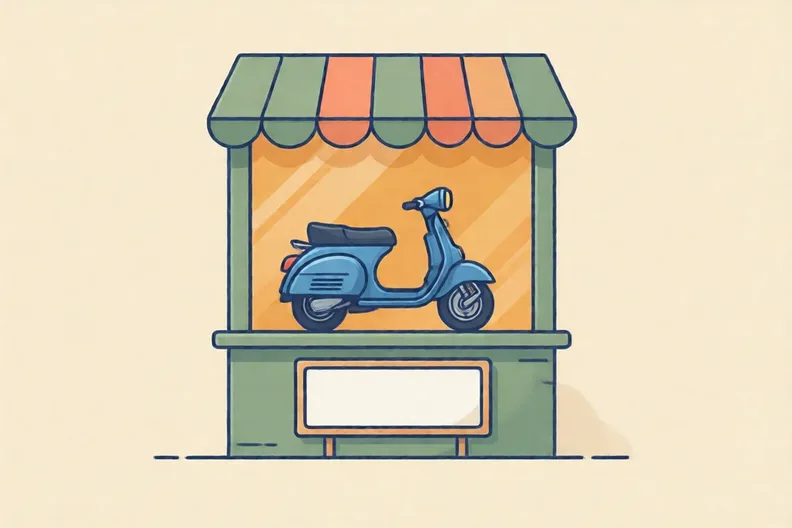
A shop window with a blue scooter on display and a blank sign below it, no people
Watch me
Shown in the signMiddle options

The sign shows two choices: buy now, or never get one.

Between them: buy later, look at another scooter, or ask a grown-up first.

These are three middle options, and there are more. That makes it a false dilemma.

Now you
  1. 1.

    A poster says: “Enter the contest today or never win.” Write one middle option the poster leaves out.

  2. 2.

    Which card is one of the two choices in the scooter sign? Circle your answer.

    Buy the blue scooter todayScooters come in many coloursAsk a grown-up first

C Your turn8 min

Read each advert or line carefully and find the missing middle.
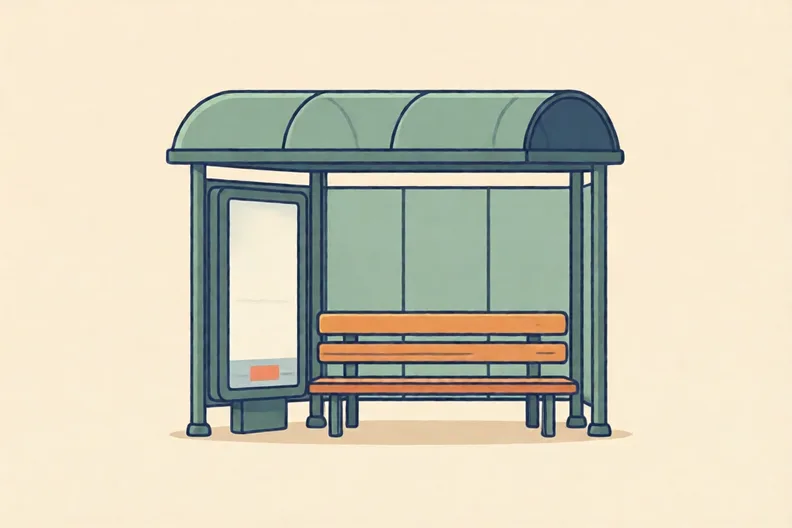
A bus stop with a bench and an empty advert panel, no people
  1. 1.

    A bike shop banner says: “Buy this bike now or walk forever.” Is it a false dilemma? Circle your answer.

    Yes, two extreme choices with the middle left outNo, it lists every choice
  2. 2.

    Sort these lines. Write each one in the right column.

    Buy now or miss out forever.Either you love dogs or you hate them.Pets can be dogs, cats, fish, or none.We can walk, cycle, or take the bus.
    Two choices, middle left outSeveral real choices
  3. 3.

    A cereal box says: “Eat this cereal or be hungry all morning.” Write one middle option the box leaves out.

  4. 4.

    Headline: “Schools are either far too strict or far too soft.” Write two middle options this headline leaves out.

Say it out loud: What did each advert or headline leave out? Say one missing middle option out loud to your grown-up.

D Spot the mistake3 min
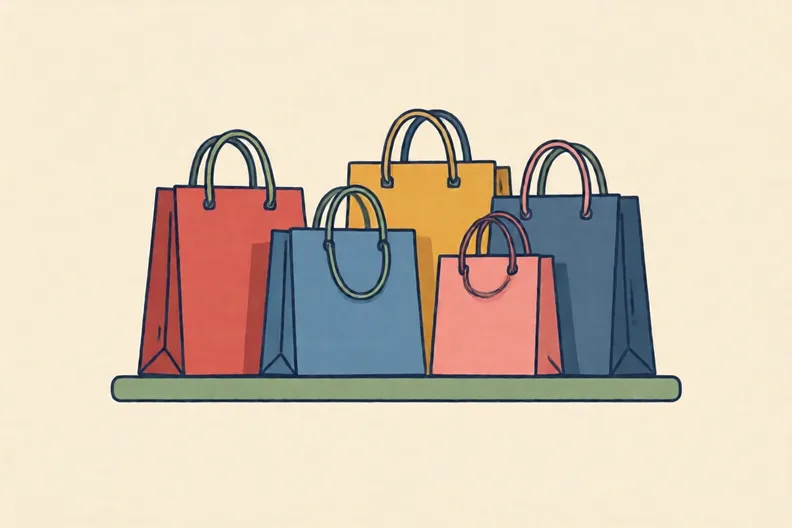
A shelf of red, blue and pink cloth shopping bags in a corner shop, no people
Maya says: “I can only pick the pink bag or no bag at all. So the pink bag is the only sensible choice.”
  1. 1.

    Is Maya right that the only choices are the pink bag or no bag? Circle your answer.

    Yes, exactly twoNo, there are more than two

E Think deeper3 min

Think about why false dilemmas work so well on people.
A quiet school playground with a bench and a football, no people
  1. 1.

    Why might a false dilemma be easier to remember than a full list of choices? Explain in two sentences.

How did it feel?

I can do it Nearly Not yet
StudyDen · Year 5 · Critical thinking · Reasoning Tools for Year 5Answers are on the grown-up page

For the grown-up

Spotting False Dilemmas in Adverts · 2 minutes to read

Answers, and what a wrong one tells you

A

1. Look for: A way to get to school that is not walking or the bus, such as cycling or going by scooter. If your child writes walking or the bus, ask them to read each label on the tally and find one the sign does not name.

2. No, it only shows what most children do If your child says yes, ask: does the chart show what is best, or only what most children do? Ask them to explain using the word best.

3. No, there are more than two If your child picks yes, ask them to read each label on the tally. Finding a third label is the key step.

B

1. Look for: A realistic option between entering now and never winning, such as entering later or entering after checking the rules. If your child only repeats the two choices, ask: what could someone do between those two extremes?

2. Buy the blue scooter today If your child circles Ask a grown-up first, that is a middle option the sign leaves out. Ask: which words are in the sign itself?

C

1. Yes, two extreme choices with the middle left out If your child says no, ask: what choices are missing between buying now and walking forever?

2. Several real choices: Pets can be dogs, cats, fish, or none., We can walk, cycle, or take the bus. · Two choices, middle left out: Buy now or miss out forever., Either you love dogs or you hate them. If your child puts a card in the wrong column, ask: can you name a choice that sits between the two extremes?

3. Look for: A realistic choice between the two extremes, such as eating toast, eating fruit, or a different breakfast. If your child writes a choice that is one of the two extremes, ask: what else could someone eat in the morning?

4. Look for: Two realistic options between too strict and too soft, such as firm but kind, fair with clear rules, or relaxed but organised.

D

1. No, there are more than two If your child picks yes, Maya has treated the two options as the only options. Ask what you could do instead, such as bringing a bag from home.

E

1. Look for: Says that two choices are short and simple, so they are easy to remember, while a full list takes more effort to read and think about.

Words to use

Say“What is in between those two choices? Can you name one more?”
Instead of“Tell them the advert is lying, or that they must always reject adverts.”

After the sheet

Find a cereal box or poster at home. Cover the picture, read only the words, and write one middle option together on a scrap of paper.

Tick what your child got right in StudyDen. Anything missed comes back in a later Look back box, so there's no need to redo the sheet.

The rest of this unit

5 more sheets come with a StudyDen plan, in teaching order:

  1. Spotting the Circle(with a plan)
  2. Does the reason prove it?(with a plan)
  3. Repairing a Looping Reason(with a plan)
  4. Too Few to Prove It(with a plan)
  5. Three Argument Traps Review(with a plan)

Every Year 5 critical thinking worksheet

The worksheets plan opens a printable sheet for every lesson in Years 1 to 6, each with its answers on a separate page for you. It costs £6.99 a month or £59 a year for the whole family, with no free trial.

The full StudyDen plan adds the lessons themselves, marked as your child works, with the worksheets included. It is 7 days free, then £29.99 a month.

Both start with a free account; you choose the plan when you sign up.