← Year 6 critical thinking worksheets

Year 6 Critical thinking: Autumn 1 worksheet

“Is the evidence enough?” is free to print, with no account. It is the first sheet in the Year 6 critical thinking unit “Critical thinking: Autumn 1”, for children aged 10 to 11, and takes about 20 minutes.

Print it on A4. The child's pages come first; the answers, and what each wrong answer tells you, are on the grown-up page that follows. Weeks 1 to 6 of the year, 6 sheets in the unit.

Free sample · answers on the last page

Is the evidence enough?

Name: ____________ · Date: ____________
Year 6 · Critical thinking · about 20 minutes
Answers are on the grown-up page

Today I can check whether the evidence fits the claim, and name the error when it does not.

A Look back3 min

  1. 1.

    Four of five children at lunch chose pizza. Ruby says every child in the school likes pizza. Which error is Ruby making? Circle one.

    Lunch choice (5 children)012345PizzaSoup
    Hasty generalisationCircular reasoningFalse dilemma
  2. 2.

    There are 10 news articles. 4 agree with Maya's view and 6 do not. Maya saves only the 4 that agree. Which idea does this show?

    Agree with MayaDisagree with Maya
    Confirmation biasCounter-argumentRebuttal
  3. 3.

    Read this: “Our park needs more bins, because 6 children said the bins were full.” Which words are the evidence? Circle one.

    Did the bins look full?012345678YesNo
    Our park needs more bins6 children said the bins were fullOur park

B Watch me, then you4 min

Sam asks 5 children their favourite day for school trips. Then he says: “Everyone in our school likes Friday best.”

Watch me
Favourite day (5 children)012345FridayMondayWednesday

The claim is about everyone in the school.

Only 5 children were asked, and 3 chose Friday.

That is not enough evidence to prove what the whole school thinks.

Now you
  1. 1.

    Sam asks 4 children which pet they like most. 3 say cats and 1 says dogs. Sam says most children in the school like cats. Write one reason his claim is not proven yet.

    CatsDogs

C Your turn6 min

Ali asks children which lunch they like best. Each row changes one thing. Read the claim, then decide if the evidence is enough.

  1. 1.

    Ali asks 3 children. All 3 say pasta. He says: “All children like pasta.” Is the evidence enough?

    PastaPizza
    Yes, that is enoughNo, that is not enough
  2. 2.

    Ali asks 12 children. 9 say pasta. He says: “All children like pasta.” Is the evidence enough?

    PastaPizza
    Yes, that is enoughNo, that is not enough
  3. 3.

    Ali asks every child in Year 6, which is 30 children. 21 say pasta. He says: “Most Year 6 children like pasta.” Is the evidence enough?

    PastaPizza
    Yes, that is enoughNo, that is not enough
  4. 4.

    Same survey: 21 of the 30 Year 6 children said pasta. Now Ali says: “Most children in our school like pasta.” Is the evidence enough?

    Year 6 favourite lunch012345678910111213141516171819202122232425PastaPizza
    Yes, that is enoughNo, that is not enough

Say it out loud: Which one thing changed from row to row, and did that change make the evidence stronger or weaker?

D Spot the mistake3 min

Mia says: “I asked one friend which pet is best. He said hamsters. So every child in our school thinks hamsters are best.”
HamstersCatsDogs
  1. 1.

    What is wrong with Mia's claim? Write one sentence.

E Think deeper4 min
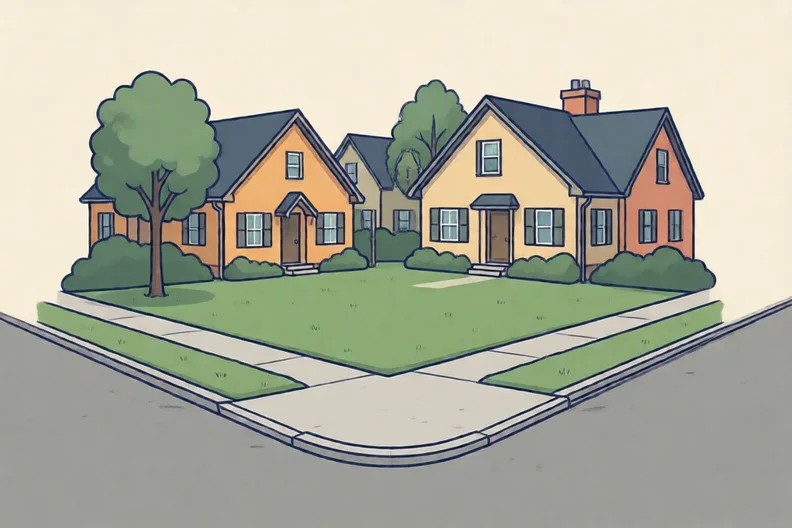
An empty grassy corner at the end of a quiet street with houses behind it
  1. 1.

    Ben says: “Everyone on our street wants a skate park.” What would you ask him before you believe it?

How did it feel?

I can do it Nearly Not yet
StudyDen · Year 6 · Critical thinking · Year 6 critical thinking toolkitAnswers are on the grown-up page

For the grown-up

Is the evidence enough? · 2 minutes to read

Answers, and what a wrong one tells you

A

1. Hasty generalisation If they pick circular reasoning, check whether the claim uses itself as its own proof. Here it uses five children to talk about a whole school. Ask: how many children were asked?

2. Confirmation bias If they pick counter-argument, remind them that a counter-argument is a reason against a claim. Maya is ignoring reasons against her view. Ask what she is looking for.

3. 6 children said the bins were full If they pick the claim, ask: what is this sentence trying to prove? The evidence is the reason given to support it.

B

1. Look for: Says that only four children were asked, not the whole school, so the evidence cannot prove what most children in the school like. If they write that Sam is right, ask how many children were asked compared with the whole school. Then ask what the claim is about.

C

1. No, that is not enough If they say yes, ask how many children Ali asked compared with all the children in the school.

2. No, that is not enough If they say yes, ask how many children Ali asked. Twelve children cannot tell us what all children think.

3. Yes, that is enough If they say no, ask: did Ali ask the group that the claim is about? Check that the claim and the group match.

4. No, that is not enough If they say yes, ask which children were asked. Does a survey of one year group prove what the whole school thinks?

D

1. Look for: Says that one friend is too few people to show what every child thinks, so the claim jumps too far. If they only say it is unfair or rude, ask how many children Mia actually asked. Then ask whether one person can show what everyone thinks.

E

1. Look for: Asks a question about who everyone means, how many people were asked, or whether a survey or the council was checked.

Words to use

Say“Who was asked, and how many? Does the group match what the claim says?”
Instead of“That is right, you're clever. (Praising the answer without asking how they know.)”

After the sheet

At dinner, ask two people which vegetable they like best. Then ask: does that tell us what everyone on our street thinks? Talk about why not.

Tick what your child got right in StudyDen. Anything missed comes back in a later Look back box, so there's no need to redo the sheet.

The rest of this unit

5 more sheets come with a StudyDen plan, in teaching order:

  1. Reading Between the Lines(with a plan)
  2. Strong or weak inference?(with a plan)
  3. Stated or inferred?(with a plan)
  4. Finding the hidden link(with a plan)
  5. Digging for hidden assumptions(with a plan)

Every Year 6 critical thinking worksheet

The worksheets plan opens a printable sheet for every lesson in Years 1 to 6, each with its answers on a separate page for you. It costs £6.99 a month or £59 a year for the whole family, with no free trial.

The full StudyDen plan adds the lessons themselves, marked as your child works, with the worksheets included. It is 7 days free, then £29.99 a month.

Both start with a free account; you choose the plan when you sign up.