← Year 6 history worksheets

Year 6 Significant turning points: how did experiences differ during WWII? worksheet

“The war begins” is free to print, with no account. It is the first sheet in the Year 6 history unit “Significant turning points: how did experiences differ during WWII?”, for children aged 10 to 11, and takes about 20 minutes.

Print it on A4. The child's pages come first; the answers, and what each wrong answer tells you, are on the grown-up page that follows. Weeks 25 to 30 of the year, 6 sheets in the unit.

Free sample · answers on the last page

The war begins

Name: ____________ · Date: ____________
Year 6 · History · about 20 minutes
Answers are on the grown-up page

Today I can put key dates from the start of the Second World War in order.

A Look back3 min

  1. 1.

    The Battle of Hastings happened in .

    100010201040106010801100
  2. 2.

    Which came first: the Romans arriving in AD 43, or the Battle of Hastings in 1066?

    AD 1AD 100AD 200AD 300AD 400AD 500AD 600AD 700AD 800AD 90010001100
    The Romans arrivingThe Battle of Hastings
  3. 3.

    Who built Hadrian's Wall? Circle the answer.

    builtHadrian's Wall
    The RomansThe VikingsThe Normans

B Watch me, then you4 min

Ali is making a timeline of the Second World War. Each event goes on the line in the year it happened. Children were sent away from British cities in the same year the war began.
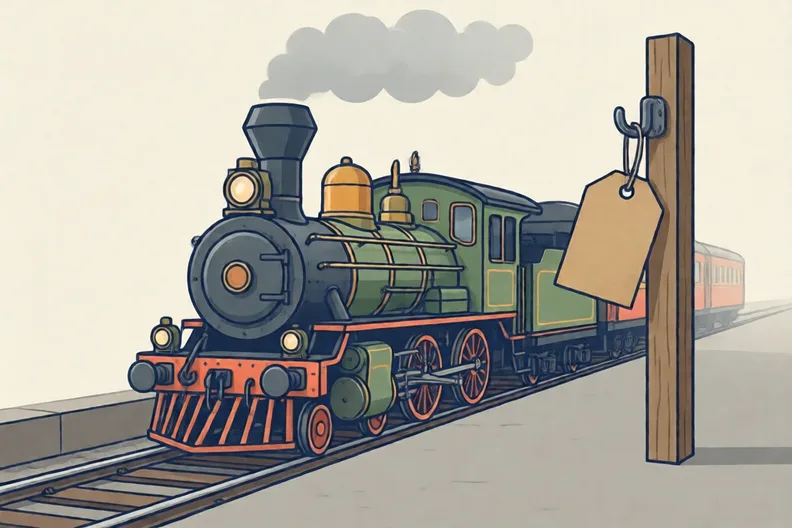
A steam train standing at an empty platform on a grey morning
Watch me
1930193519401945195019551960War beginsRationing startsWar ends

The war began in 1939.

Rationing started in 1940.

The war ended in 1945.

Now you
  1. 1.

    Children began to leave British cities in .

    1930193519401945195019551960War ends

C Your turn6 min

Each line is a timeline. Read the event, then fill in the year or pick a card.

  1. 1.

    The Second World War began in .

    1930193519401945195019551960
  2. 2.

    Rationing started in Britain in .

    1930193519401945195019551960
  3. 3.

    Which came first: rationing starting in Britain, or the war ending?

    1930193519401945195019551960Rationing startsWar ends
    Rationing startingThe war ending
  4. 4.

    Which came first: children leaving British cities, or rationing starting?

    1930193519401945195019551960Children leave citiesRationing starts
    Children leaving citiesRationing starting

Say it out loud: Where does the event sit on the line? What is the event just before it, and what comes after?

D Spot the mistake3 min

Kit says: “The war ended in 1945, so life went straight back to normal that year.”
19401945195019551960War endsRationing ends
  1. 1.

    Write one sentence telling Kit why life did not go straight back to normal in 1945.

E Think deeper3 min

Some people think only British people fought for Britain in the war. About 2.5 million men from India joined the army on Britain's side. Soldiers also came from Canada, Australia, New Zealand and parts of Africa.

India and Canadasent soldiersto fight for Britain
  1. 1.

    Explain in two or three sentences why this idea is not true. Use one example from this page.

How did it feel?

I can do it Nearly Not yet
StudyDen · Year 6 · History · Significant turning points: how did experiences differ during WWII?Answers are on the grown-up page

For the grown-up

The war begins · 2 minutes to read

Answers, and what a wrong one tells you

A

1. 1066 If they write a year close to this, ask them to count the ticks on the line from 1000 to find where the event sits.

2. The Romans arriving If they pick the battle, they may think the bigger year must be first. Ask them which year is smaller, and which one comes earlier on the line.

3. The Romans If they pick the Vikings or the Normans, remind them that Hadrian's Wall was built long before either group arrived in Britain.

B

1. 1939 If they write 1945, they have copied the year the war ended. Ask which year the war began, because children left the cities that same year.

C

1. 1939 If they write 1940, they may be thinking of when rationing started. Ask which event began the war, then find its dot on the line.

2. 1940 If they write 1939, they have put rationing in the same year the war started. Ask them which year is one year after the war began.

3. Rationing starting If they pick the war ending, ask them to find both events on the line. The one further left happened first.

4. Children leaving cities If they pick rationing, ask them to find both events on the line. The one further left happened first.

D

1. Look for: says rationing went on after 1945, until 1954, or that cities took years to rebuild If they agree with Kit, ask them to find when rationing ended on the timeline, then count the years after 1945.

E

1. Look for: An answer naming a country from the empire, such as India, Canada, Australia, South Africa or New Zealand, whose people served with Britain.

Words to use

Say“Where does this event sit on the line? What came just before it, and what came after?”
Instead of“Just tell them the year.”

After the sheet

Make a family timeline on a strip of paper: write three dates from your own lives, then ask which came first and how many years lay between them.

Tick what your child got right in StudyDen. Anything missed comes back in a later Look back box, so there's no need to redo the sheet.

The rest of this unit

5 more sheets come with a StudyDen plan, in teaching order:

  1. Women in the armed forces(with a plan)
  2. A war across the world(with a plan)
  3. Children on the move(with a plan)
  4. Nurses in the War(with a plan)
  5. Life after the war(with a plan)

Every Year 6 history worksheet

The worksheets plan opens a printable sheet for every lesson in Years 1 to 6, each with its answers on a separate page for you. It costs £6.99 a month or £59 a year for the whole family, with no free trial.

The full StudyDen plan adds the lessons themselves, marked as your child works, with the worksheets included. It is 7 days free, then £29.99 a month.

Both start with a free account; you choose the plan when you sign up.