← Year 6 history worksheets

Year 6 Significant turning points: in what ways did Britain change after WWII? worksheet

“Britain after the war” is free to print, with no account. It is the first sheet in the Year 6 history unit “Significant turning points: in what ways did Britain change after WWII?”, for children aged 10 to 11, and takes about 20 minutes.

Print it on A4. The child's pages come first; the answers, and what each wrong answer tells you, are on the grown-up page that follows. Weeks 31 to 36 of the year, 6 sheets in the unit.

Free sample · answers on the last page

Britain after the war

Name: ____________ · Date: ____________
Year 6 · History · about 20 minutes
Answers are on the grown-up page

Today I can explain what Britain was like in 1945 and what the new government promised.

A Look back3 min

Remind yourself of dates and people from earlier learning.

  1. 1.

    Put these years in order, oldest first: 1837, 1066, 1939.

    10001100120013001400150016001700180019002000
  2. 2.

    Which war ended in 1918?

    190019101920193019401950Second World War starts
    The First World WarThe Second World WarThe Wars of the Roses
  3. 3.

    Who built Hadrian's Wall?

    AD 1AD 100AD 200AD 300AD 400AD 500Hadrian's Wall built
    The RomansThe TudorsThe Vikings

B Watch me, then you4 min

On 8 May 1945 the war in Europe ended. Read the timeline of three key dates.

Watch me
1945194619471948VE Day (May)New Towns ActNHS begins

VE Day came first, in 1945.

The New Towns Act came next, in 1946.

The NHS came last, in 1948.

Now you
  1. 1.

    Labour won the election in July 1945. Number these from earliest (1) to latest (3).

    19441945194619471948
    1. The NHS begins
    2. VE Day in May
    3. Labour wins the 1945 election
  2. 2.

    Which came first: the New Towns Act or the NHS?

    19451946194719481949
    The New Towns ActThe NHS

C Your turn7 min

Read each question, look at the timeline, then answer.

1939194019411942194319441945194619471948
  1. 1.

    In which year did the war in Europe end?

    193919451948
  2. 2.

    In which year did the National Health Service begin?

    194519461948
  3. 3.

    In which year did the New Towns Act become law?

    1943194419451946194719481949
    194519461948
  4. 4.

    Many homes in British cities had been bombed. Why did Labour's promise to build new homes win votes in 1945?

Say it out loud: Which of these changes would have helped your family most in 1945, and why?

D Spot the mistake3 min

In 1945, polls showed most people still liked Churchill as a war leader. Many voted Labour because it promised homes, jobs and free health care.
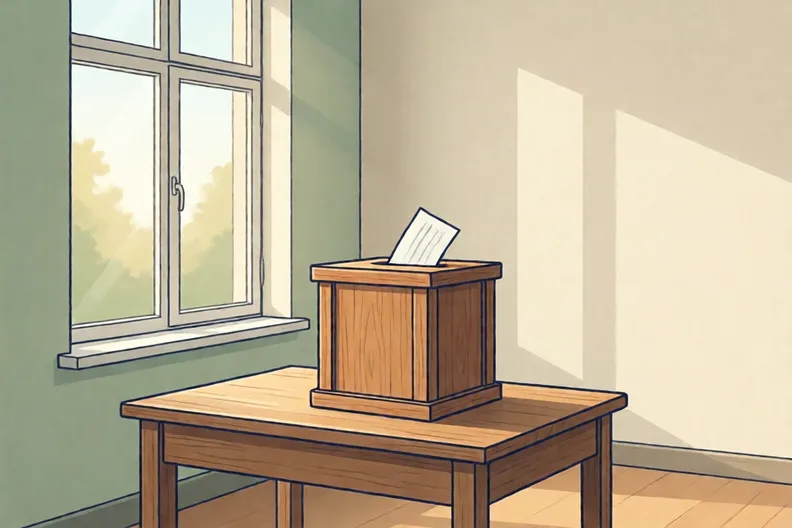
A wooden ballot box on a table beside a tall window
Lou says: “Most people did not vote for Churchill in 1945, so he must have been unpopular.”
  1. 1.

    Why is Lou wrong? Write one sentence.

E Think deeper3 min

  1. 1.

    Britain had won the war, but it was nearly bankrupt. Explain why winning did not make life easy.

    1939194019411942194319441945War beginsWar ends

How did it feel?

I can do it Nearly Not yet
StudyDen · Year 6 · History · Significant turning points: in what ways did Britain change after WWII?Answers are on the grown-up page

For the grown-up

Britain after the war · 2 minutes to read

Answers, and what a wrong one tells you

A

1. 1066, 1837, 1939 They have put the years in the wrong order. Ask your child which year is furthest back in time and which is the most recent.

2. The First World War They may have mixed up the two world wars. Point to the 1939 mark, then ask your child which war came first.

3. The Romans They guessed a later group. Ask your child which people ruled Britain at the time of this date, long before the Tudors.

B

1. 1 VE Day in May · 2 Labour wins the 1945 election · 3 The NHS begins They have put the NHS too early. Ask your child which of these happened last, then check the date for the NHS.

2. The New Towns Act They chose the later event. Ask your child to count along the timeline from 1945 to each date.

C

1. 1945 They may have picked the year the war started. Ask your child which date was the year of VE Day in May.

2. 1948 They chose an earlier date. Ask your child to look back at the Watch me timeline and find when the NHS began.

3. 1946 They may have chosen the year of VE Day. Ask your child to look at the year just after 1945 on the timeline.

4. Look for: Links bombed or damaged homes to families needing somewhere to live, so they liked the promise. If your child gets stuck, ask where a family lived after their house was bombed.

D

1. Look for: Says Churchill was personally popular, and that voters chose a party and its promises, so votes for it do not show dislike of him. They have mixed up a vote for a party with liking a person. Ask your child why people voted Labour, then ask whether that means they disliked Churchill.

E

1. Look for: Gives at least one reason linked to money spent or debt, damaged homes or factories, or lives lost, and explains why it made life hard.

Words to use

Say“Which problem did Labour's promises try to fix? How do you know?”
Instead of“Tell them the answer straight away.”

After the sheet

Look at a photo of a bombed 1940s street together. Ask your child what a new government would need to fix first, and why.

Tick what your child got right in StudyDen. Anything missed comes back in a later Look back box, so there's no need to redo the sheet.

The rest of this unit

5 more sheets come with a StudyDen plan, in teaching order:

  1. Healthcare for everyone(with a plan)
  2. Years in the Windrush story(with a plan)
  3. Machines in the home(with a plan)
  4. The Swinging Sixties chain(with a plan)
  5. Permanent Change in Britain(with a plan)

Every Year 6 history worksheet

The worksheets plan opens a printable sheet for every lesson in Years 1 to 6, each with its answers on a separate page for you. It costs £6.99 a month or £59 a year for the whole family, with no free trial.

The full StudyDen plan adds the lessons themselves, marked as your child works, with the worksheets included. It is 7 days free, then £29.99 a month.

Both start with a free account; you choose the plan when you sign up.