← Year 6 religious education worksheets

Year 6 Pilgrimage: why are people still drawn to ancient places? worksheet

“Iona: a pilgrim's island” is free to print, with no account. It is the first sheet in the Year 6 religious education unit “Pilgrimage: why are people still drawn to ancient places?”, for children aged 10 to 11, and takes about 22 minutes.

Print it on A4. The child's pages come first; the answers, and what each wrong answer tells you, are on the grown-up page that follows. Weeks 13 to 18 of the year, 6 sheets in the unit.

Free sample · answers on the last page

Iona: a pilgrim's island

Name: ____________ · Date: ____________
Year 6 · Religious education · about 22 minutes
Answers are on the grown-up page

Today I can explain why Iona became an important place of pilgrimage.

A Look back3 min

  1. 1.

    Write each building into the correct column.

    ABC123SN
    churchhouseschool
    Christian place of worshipNot a place of worship
  2. 2.

    The sun rises in the ___. Circle the right word.

    NNESESSWWNW
    eastwestnorthsouth
  3. 3.

    Scotland is ___ of England. Circle the right word.

    NEESESSWWNW
    northsoutheastwest

B Watch me, then you4 min

Columba was born around 521 AD. In 563 AD he set sail for Iona. Read how Iona became a holy place.

Watch me
AD 500AD 510AD 520AD 530AD 540AD 550AD 560AD 570AD 580AD 590AD 600Columba bornSets sailColumba dies

In 563 AD Columba sailed from Ireland to the Scottish island of Iona.

He and his monks built a monastery and taught people about Jesus.

He died on Iona in 597 AD and was buried there.

Now you
  1. 1.

    Columba lived on Iona for over 30 years. Why might that make Iona feel like a holy place to Christians?

    AD 550AD 560AD 570AD 580AD 590AD 600Monastery foundedColumba dies
  2. 2.

    The Vikings first raided Iona in 795 AD. Give one reason the monks might have wanted to stay on Iona after the raid.

    AD 550AD 600AD 650AD 700AD 750AD 800Monastery foundedVikings raid Iona

C Your turn8 min

Circle the right answer. Look at the pictures to help.
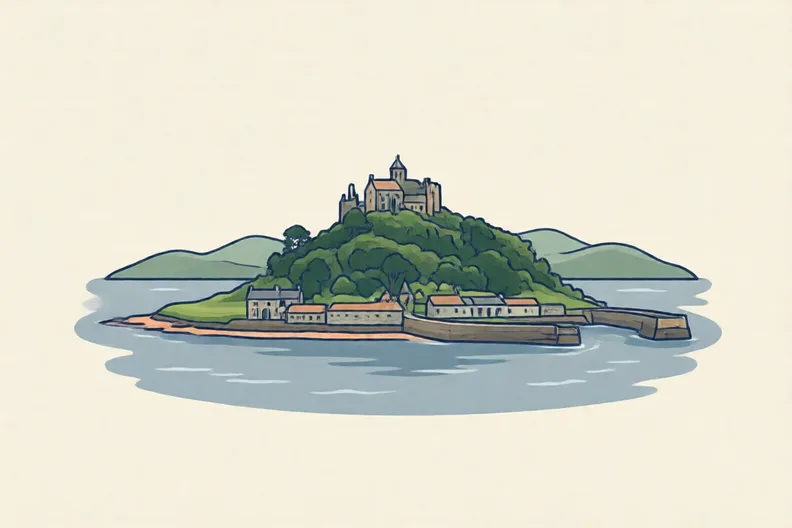
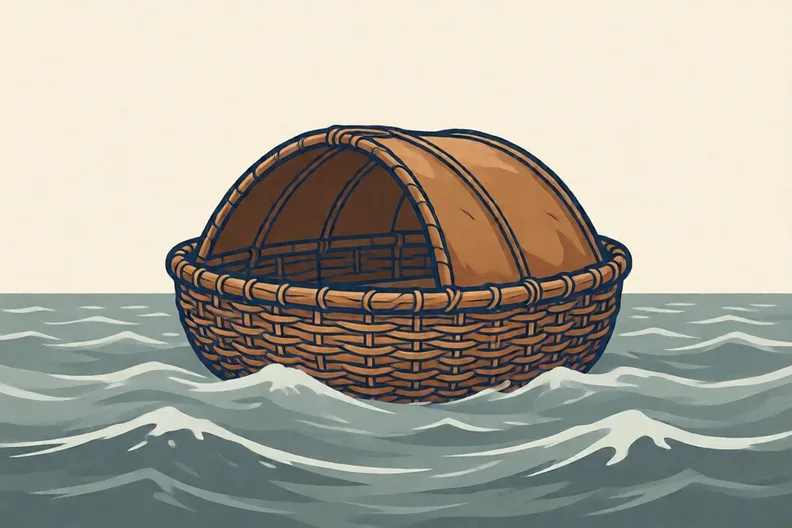
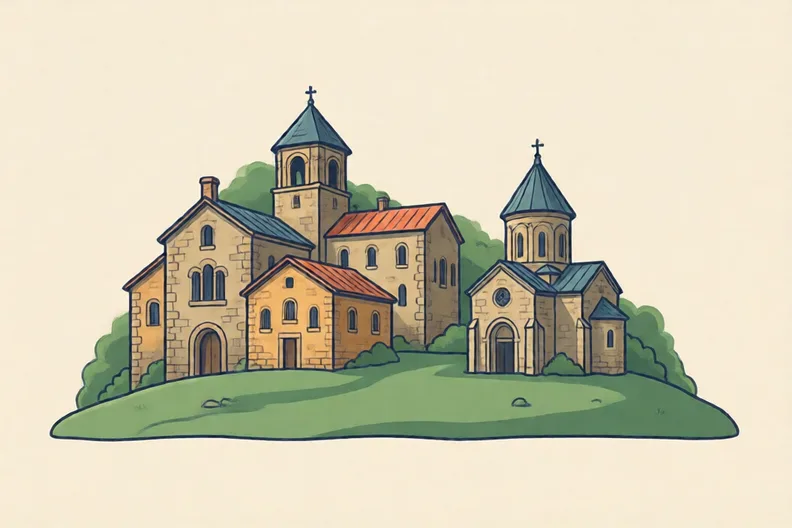
A small green island with a stone abbey by the shore and grey seaA wicker boat covered in animal hide floating on rough waterStone buildings of a monastery beside a small church on a hillside
  1. 1.

    Iona is a small island. Which country is it part of? Circle the right answer.

    ScotlandIrelandWales
  2. 2.

    Who sailed to Iona with twelve companions in 563 AD? Circle the right answer.

    St ColumbaA Viking chiefA Roman emperor
  3. 3.

    What is the name for a building where monks live together? Circle the right answer.

    monasterypilgrimagethin place
  4. 4.

    What is a pilgrimage? Circle the right answer.

    a journey to a sacred placea meal eaten after churcha boat made of hide

Say it out loud: What changed between each question? Which question was about a place, a person, a building or a word?

D Spot the mistake3 min
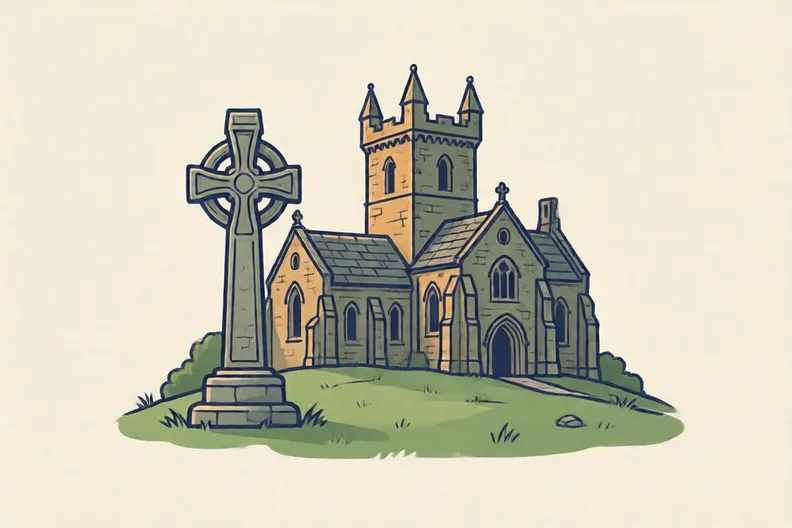
A stone abbey with a Celtic cross standing in front of it
Kit says: “Christianity spread across Europe in exactly the same way everywhere, so Iona was no different.”
  1. 1.

    Write one reason Kit's claim is wrong.

E Think deeper4 min
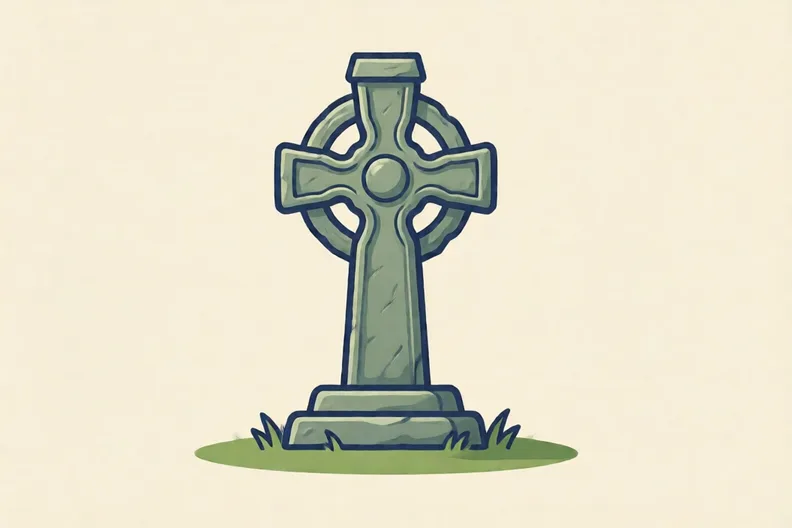
A stone Celtic cross standing on green grass
  1. 1.

    Why might people still make a long journey to Iona today? Give one reason from this sheet and one reason of your own.

How did it feel?

I can do it Nearly Not yet
StudyDen · Year 6 · Religious education · Pilgrimage: why are people still drawn to ancient places?Answers are on the grown-up page

For the grown-up

Iona: a pilgrim's island · 2 minutes to read

Answers, and what a wrong one tells you

A

1. Not a place of worship: house, school · Christian place of worship: church If your child puts house in the church column, ask what a church is used for. Then ask where people live.

2. east If your child circles west, ask them to point to where the sun comes up in the morning. That side is east.

3. north If your child circles south, ask them to picture a map of Great Britain. Scotland sits at the top, above England, so it is north.

B

1. Look for: Links Iona feeling holy to Columba living, praying, teaching or being buried there. If your child only repeats the dates, read the worked example together. Ask what Columba did on Iona during all those years.

2. Look for: A sensible reason linked to faith, such as Iona being a holy place because of Columba. If your child only retells the raid, ask why Iona mattered so much to the monks.

C

1. Scotland If your child circles Ireland, explain that Columba sailed from Ireland, but Iona is part of Scotland, off its west coast.

2. St Columba

3. monastery If your child circles pilgrimage, remind them that a pilgrimage is a journey. A monastery is a building where monks live.

4. a journey to a sacred place

D

1. Look for: Says that Celtic Christians on Iona had their own practices or styles (such as the Celtic cross), so the spread of Christianity was not the same everywhere. If your child agrees with Kit, ask: did the Celtic monks on Iona have their own traditions and art, or the same as everywhere else?

E

1. Look for: Gives one reason linked to this sheet (Columba, the monastery, the sea crossing or its long history) and one personal or own reason.

Words to use

Say“What did Columba's monks do on Iona that people still remember today?”
Instead of“Just tell them the answer, or say the dates are too hard.”

After the sheet

Find Iona on a map of Scotland together. Talk about why people might still travel there, and what they hope to find.

Tick what your child got right in StudyDen. Anything missed comes back in a later Look back box, so there's no need to redo the sheet.

The rest of this unit

5 more sheets come with a StudyDen plan, in teaching order:

  1. Iona: more than old stones(with a plan)
  2. The sacred River Ganges(with a plan)
  3. Kumbh Mela: more than a crowd(with a plan)
  4. Glastonbury: a changing place(with a plan)
  5. Many meanings, one place(with a plan)

Every Year 6 religious education worksheet

The worksheets plan opens a printable sheet for every lesson in Years 1 to 6, each with its answers on a separate page for you. It costs £6.99 a month or £59 a year for the whole family, with no free trial.

The full StudyDen plan adds the lessons themselves, marked as your child works, with the worksheets included. It is 7 days free, then £29.99 a month.

Both start with a free account; you choose the plan when you sign up.