← Year 6 religious education worksheets

Year 6 Sikhs: What does Khalsa mean to Sikhs today? worksheet

“Sikhs in Britain: a long story” is free to print, with no account. It is the first sheet in the Year 6 religious education unit “Sikhs: What does Khalsa mean to Sikhs today?”, for children aged 10 to 11, and takes about 22 minutes.

Print it on A4. The child's pages come first; the answers, and what each wrong answer tells you, are on the grown-up page that follows. Weeks 7 to 12 of the year, 6 sheets in the unit.

Free sample · answers on the last page

Sikhs in Britain: a long story

Name: ____________ · Date: ____________
Year 6 · Religious education · about 22 minutes
Answers are on the grown-up page

Today I can explain that Sikh families have lived in Britain for over a century.

A Look back3 min

  1. 1.

    Guru Nanak, the first Sikh Guru, was born in 1469. Which century was that? Circle the answer.

    14001450150015501600Guru Nanak born
    14th century15th century16th century
  2. 2.

    Who was the tenth Sikh Guru? Circle the answer.

    Guru Nanak: firstEight more Gurus
    Guru NanakGuru Gobind SinghGuru Arjan
  3. 3.

    Sikhs meet to worship in a special building. Write its name in the box.

    SikhsLangar

B Watch me, then you4 min

Amar's great-grandparents came to Britain from India in the 1960s. Amar's grandad was born in Leeds in 1965. Is his grandad new to Britain?

Watch me
19401960198020002020Grandad born

Amar's grandad was born in Britain in 1965.

That is about 60 years ago, and he has lived here ever since.

So he is not new to Britain. Amar's family has lived here for four generations.

Now you
  1. 1.

    Harpreet was born in Birmingham in 1990. Her family has lived there ever since. Is Harpreet new to Britain? Write your answer.

    19801990200020102020Harpreet born

C Your turn8 min

Read each row and its timeline. Write your answer as a sentence.

  1. 1.

    Sikh soldiers from India fought alongside British soldiers in the First World War. What does this tell you about Sikhs and Britain over a century ago?

    191019121914191619181920First World War startsFirst World War ends
  2. 2.

    After the Second World War, many Sikh families came to Britain to work. Their grandchildren live here today. Are those grandchildren new to Britain?

    19401960198020002020Second World War ends
  3. 3.

    A gurdwara opened in London in 1911. Why does this show that Sikh families lived in Britain then?

    1905191019151920192519301935194019451950Gurdwara in LondonSecond World War ends
  4. 4.

    Some people call every Sikh in Britain a newcomer. Use the timeline to explain why that is wrong.

    1900192019401960198020002020Gurdwara in LondonSecond World War ends

Say it out loud: Which row showed most clearly that Sikh families have lived in Britain a long time? Why?

D Spot the mistake3 min

Ravi has read a short book about Britain and has made a claim. Check it against the timeline.

Ravi says: “All Sikhs in Britain moved here in the last ten years.”
1900192019401960198020002020Gurdwara in London
  1. 1.

    Why is Ravi wrong? Write one reason in your own words.

E Think deeper4 min
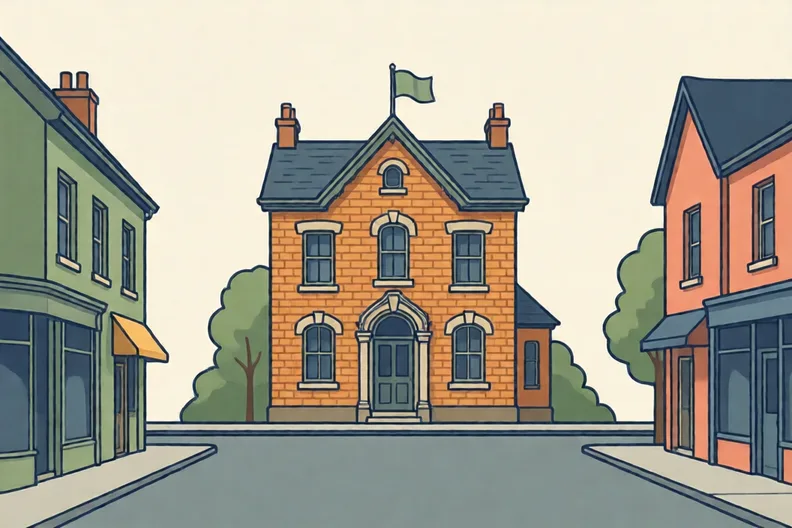
A small old brick building with a flag above the door on a quiet London street
  1. 1.

    Why might Sikh families choose to live near a gurdwara? Explain your thinking in your own words.

How did it feel?

I can do it Nearly Not yet
StudyDen · Year 6 · Religious education · Sikhs: What does Khalsa mean to Sikhs today?Answers are on the grown-up page

For the grown-up

Sikhs in Britain: a long story · 2 minutes to read

Answers, and what a wrong one tells you

A

1. 15th century If they circle 16th century, they may think 1469 is in the 1500s. Ask: is 1469 before or after the year 1500?

2. Guru Gobind Singh If they circle Guru Nanak, remind them he was the first Guru. Guru Gobind Singh was the tenth Guru, who founded the Khalsa.

3. Look for: Gurdwara, the Sikh place of worship. If they write church or mosque, ask which faith each building belongs to. Sikhs worship in a gurdwara.

B

1. Look for: Says no, because Harpreet was born in Britain and has always lived here. If they say yes, point to 1990 on the timeline. Ask where Harpreet was born and how long she has lived here.

C

1. Look for: Says Sikhs were linked to Britain over a century ago, so not all Sikhs here arrived recently. If they are stuck, point to 1914 on the timeline. Ask: was that a long time ago or very recently?

2. Look for: Says no, because they were born here and their families have lived in Britain for a long time. If they say yes, ask where the grandchildren were born. Then ask how long their family has lived in Britain.

3. Look for: Says a gurdwara is a Sikh place of worship, so Sikhs lived close enough to use it. If they are stuck, ask who worships at a gurdwara. Then ask why people would build one near their homes.

4. Look for: Says many Sikh families have lived in Britain for a long time or for generations. If they are stuck, point to 1911 on the timeline. Ask whether that was long ago or recently.

D

1. Look for: Says Sikhs have been in Britain for over a century, for example since 1911, so the claim that all arrived in the last ten years is false. If they agree with Ravi, point to 1911 on the timeline. Ask them to count the years from 1911 to today.

E

1. Look for: Gives at least one reason linked to the gurdwara, such as praying, langar, community, or support from others who share the faith.

Words to use

Say“What does this date tell you about how long Sikh families have lived in Britain?”
Instead of“Just tell them the answer, then move on.”

After the sheet

Ask a grandparent or older neighbour where their family lived long ago. Talk about how families settle in a place and stay for generations.

Tick what your child got right in StudyDen. Anything missed comes back in a later Look back box, so there's no need to redo the sheet.

The rest of this unit

5 more sheets come with a StudyDen plan, in teaching order:

  1. The First Khalsa Story(with a plan)
  2. Choosing to Take Amrit(with a plan)
  3. Kesh, Kanga and Kachera(with a plan)
  4. The Kara and seva(with a plan)
  5. Living as a Sikh in Britain(with a plan)

Every Year 6 religious education worksheet

The worksheets plan opens a printable sheet for every lesson in Years 1 to 6, each with its answers on a separate page for you. It costs £6.99 a month or £59 a year for the whole family, with no free trial.

The full StudyDen plan adds the lessons themselves, marked as your child works, with the worksheets included. It is 7 days free, then £29.99 a month.

Both start with a free account; you choose the plan when you sign up.