← Year 1 art worksheets

Year 1 Create a flower garden: introducing the 7 elements of art worksheet

“Looking at Flower Shapes” is free to print, with no account. It is the first sheet in the Year 1 art unit “Create a flower garden: introducing the 7 elements of art”, for children aged 5 to 6, and takes about 20 minutes.

Print it on A4. The child's pages come first; the answers, and what each wrong answer tells you, are on the grown-up page that follows. Weeks 21 to 26 of the year, 6 sheets in the unit.

Free sample · answers on the last page

Looking at Flower Shapes

Name: ____________ · Date: ____________
Year 1 · Art & design · about 20 minutes
Answers are on the grown-up page

Today I can notice the shapes and lines in a flower before I draw it.

A Look back3 min

  1. 1.

    Which one is a primary colour? Circle it.

    redgreenpurple
    redgreenpurple
  2. 2.

    Which shape has three straight sides? Circle it.

    squaretrianglecircle
  3. 3.

    Which shape is round with no corners? Circle it.

    circlesquaretriangle

B Watch me, then you4 min

Leo looks very closely at one petal of a courgette flower. What shape is the petal?
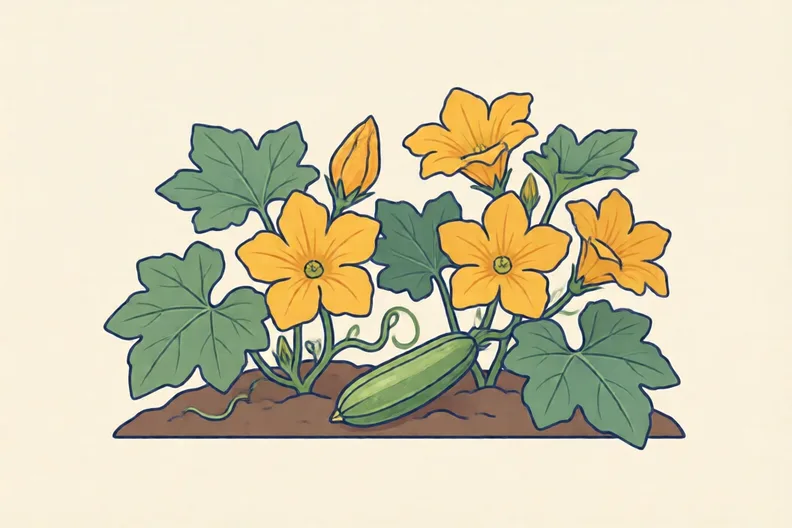
A small vegetable garden with yellow flowers growing in neat rows
Watch me

The petal is wide at the bottom.

It comes to a point at the top.

That is like a triangle, so the petal is a triangle shape.

Now you
  1. 1.

    The middle of a flower is round. What shape is it?

    circlesquaretriangle

C Your turn8 min

Look closely at the courgette flower in the picture. Then answer each question.
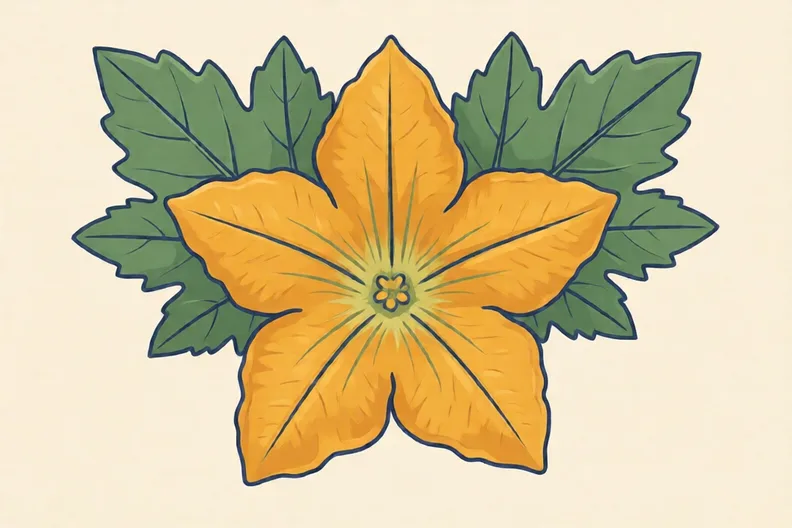
A large yellow courgette flower with pointed petals against green leaves
  1. 1.

    Which shape is one of the petals? Circle it.

    circletrianglesquare
  2. 2.

    Sort these lines into the right column.

    a ruler's edgea wiggly squigglea straight flower stalka wobbly leaf outline
    straight lineswobbly lines
  3. 3.

    Tear paper into a circle, a long strip and a triangle. Glue them on paper to make a flower. Which shape did you use for the middle?

  4. 4.

    Draw one flower with your other hand, not your writing hand. Write one word about how it felt.

Say it out loud: Which shapes did you find in the flower? Where did you see a straight line and a wobbly line?

D Spot the mistake3 min
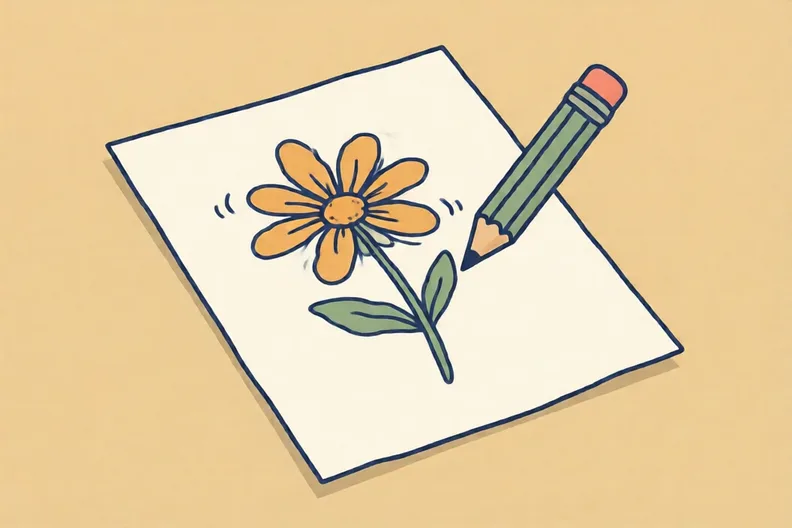
A pencil drawing of a flower on paper with uneven, wobbly outlines
Kit says: “My drawing is wrong because the lines are wobbly.”
  1. 1.

    What could Kit say instead? Write one sentence.

E Think deeper4 min
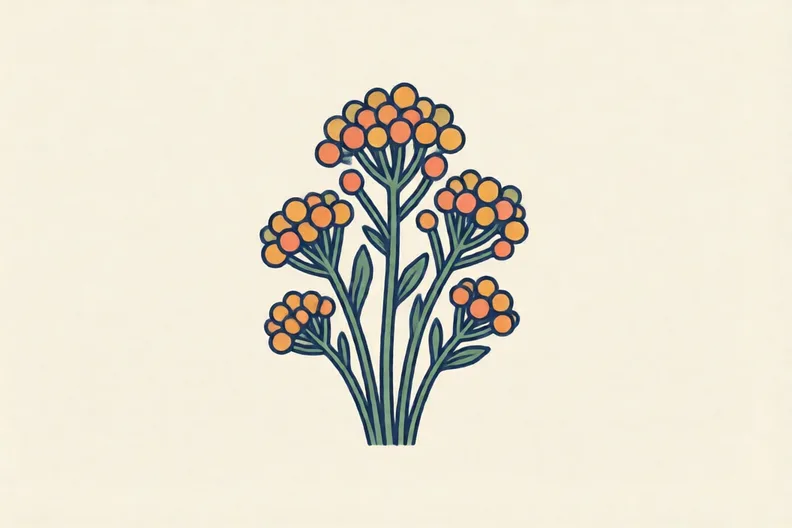
A cluster of small round ivy flowers on long thin green stems
  1. 1.

    Look at the ivy picture. Which shapes are round and which are long and thin? Draw one of each. How do you know?

How did it feel?

I can do it Nearly Not yet
StudyDen · Year 1 · Art & design · Create a flower garden: introducing the 7 elements of artAnswers are on the grown-up page

For the grown-up

Looking at Flower Shapes · 2 minutes to read

Answers, and what a wrong one tells you

A

1. red If they circle green or purple, ask them which two colours were mixed to make it. Then ask which colour cannot be made by mixing.

2. triangle

3. circle

B

1. circle If they pick square, ask them to run a finger round the edge of the middle. Round edges have no corners.

C

1. triangle If they pick circle, they may be thinking of the middle. Ask them to trace one petal with a finger. Does it come to a point like a triangle?

2. wobbly lines: a wiggly squiggle, a wobbly leaf outline · straight lines: a ruler's edge, a straight flower stalk If a straight line is in the wobbly column, ask them to lay a ruler along it. If it sits flat, it is straight.

3. Look for: Names the shape they really used for the middle, such as a circle.

4. Look for: A single word describing how the drawing felt, such as wobbly, fun, tricky or silly.

D

1. Look for: A sentence saying wobbly lines are fine and that looking carefully matters most. If they say lines must be straight, remind them wobbly lines are fine. Ask what the artist was trying to do.

E

1. Look for: Says the round shapes are circles and the long thin shapes are rectangles or strips, with a reason from the edges.

Words to use

Say“What shape can you see here? Where is a line that is straight, and where is one that is wobbly?”
Instead of“Make it look just like the picture.”

After the sheet

Look at a flower together. Ask your child to tear shapes from paper and glue them into a flower.

Tick what your child got right in StudyDen. Anything missed comes back in a later Look back box, so there's no need to redo the sheet.

The rest of this unit

5 more sheets come with a StudyDen plan, in teaching order:

  1. Textures in clay(with a plan)
  2. Light and Dark Tones(with a plan)
  3. Mixing Colours for Flowers(with a plan)
  4. Vegetable prints and patterns(with a plan)
  5. Shapes, forms and gardens(with a plan)

Every Year 1 art worksheet

The worksheets plan opens a printable sheet for every lesson in Years 1 to 6, each with its answers on a separate page for you. It costs £6.99 a month or £59 a year for the whole family, with no free trial.

The full StudyDen plan adds the lessons themselves, marked as your child works, with the worksheets included. It is 7 days free, then £29.99 a month.

Both start with a free account; you choose the plan when you sign up.