← Year 1 art worksheets

Year 1 Watery weavings: introducing textiles worksheet

“Textiles all around us” is free to print, with no account. It is the first sheet in the Year 1 art unit “Watery weavings: introducing textiles”, for children aged 5 to 6, and takes about 20 minutes.

Print it on A4. The child's pages come first; the answers, and what each wrong answer tells you, are on the grown-up page that follows. Weeks 9 to 14 of the year, 6 sheets in the unit.

Free sample · answers on the last page

Textiles all around us

Name: ____________ · Date: ____________
Year 1 · Art & design · about 20 minutes
Answers are on the grown-up page

Today I can tell where a textile comes from and say whether it is natural or synthetic.

A Look back3 min

  1. 1.

    Which one of these is a primary colour? Circle it.

    greenyellowpurple
  2. 2.

    Name this shape. Draw it two times to start a pattern.

  3. 3.

    What is the name of this shape? Circle it.

    circlesquaretriangle

B Watch me, then you4 min

Ola stitches a row of coloured thread onto a bag. She uses the same colours over and over.

Watch me

The same two colours keep coming back: red and blue.

Red, blue, red, blue, red. The row repeats.

A row that repeats like this is a pattern.

Now you
  1. 1.

    Look at this stripe. Which colour comes next? Circle it.

    greenredyellow
  2. 2.

    Look at this row. What colour comes next? Circle it.

    whiteredblue

C Your turn8 min

Natural textiles come from plants or animals. Synthetic textiles are made in a factory. Look at the washing line, then sort.
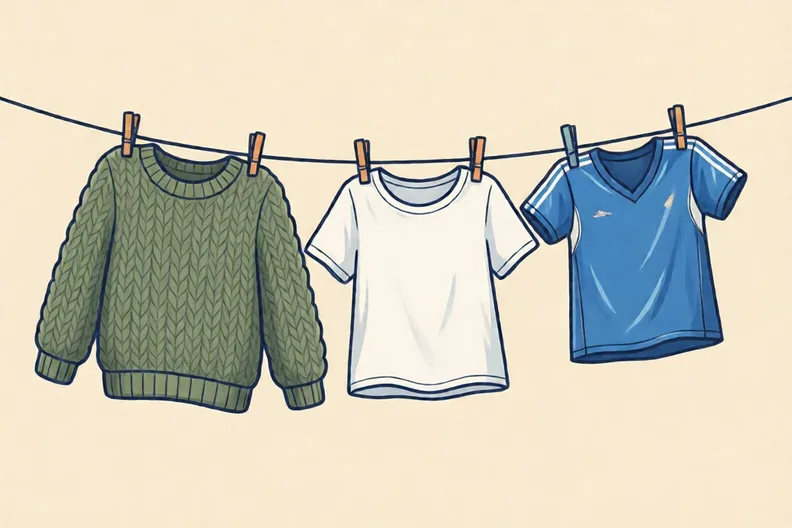
A washing line with a woolly jumper, a cotton shirt and a shiny sports top
  1. 1.

    Join each textile to where it comes from.

    woolcotton
    a planta sheep
  2. 2.

    Polyester is made in a factory. Is it natural or synthetic? Circle one.

    naturalsynthetic
  3. 3.

    Write each textile in the right column.

    woolpolyestercottonnylon
    NaturalSynthetic
  4. 4.

    Name one natural textile: Name one synthetic textile:

Say it out loud: Which words told you if a textile was natural or synthetic?

D Spot the mistake3 min
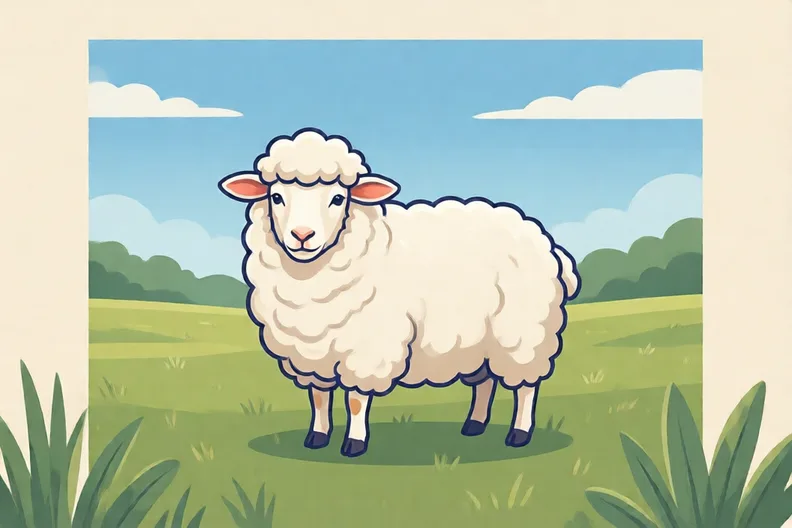
A woolly sheep standing in a green field
Kit says: “Polyester comes from a sheep, so it is natural.”
  1. 1.

    Is Kit right? Write why.

E Think deeper4 min
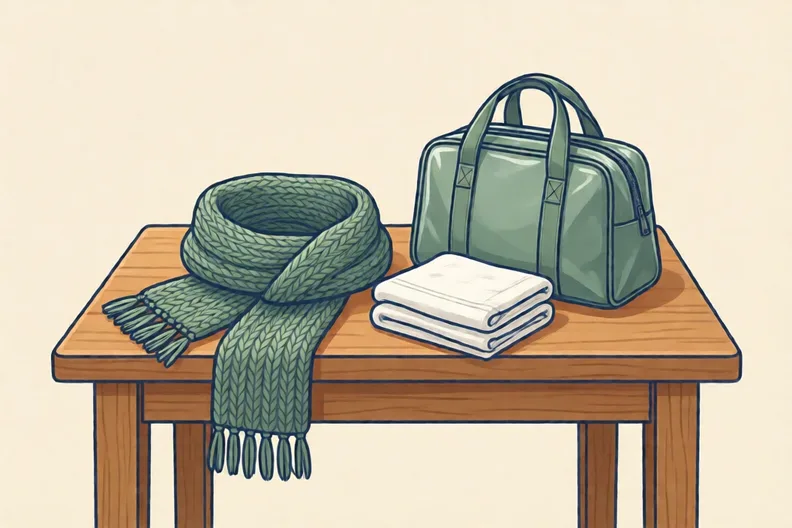
A table with a folded wool scarf, a cotton tea towel and a waterproof bag
  1. 1.

    Find one textile at home. Is it natural or synthetic? Write how you know.

How did it feel?

I can do it Nearly Not yet
StudyDen · Year 1 · Art & design · Watery weavings: introducing textilesAnswers are on the grown-up page

For the grown-up

Textiles all around us · 2 minutes to read

Answers, and what a wrong one tells you

A

1. yellow If your child picks green or purple, mixed colours may be mixed up with primaries. The primary colours are red, yellow and blue.

2. Look for: Names the triangle and draws it twice in a row as a pattern. If your child cannot name it, trace the outline together and say triangle.

3. circle

B

1. green If your child picks yellow, ask which colour came after the last yellow. Then look for the two colours again.

2. white If your child picks red, they may have copied the first colour. Find the group of three and start it again.

C

1. wool → a sheep; cotton → a plant If your child joins wool to a plant, ask which animal grows wool. Point to the jumper and talk about it.

2. synthetic If your child says natural, ask: does polyester come from a plant or an animal? Remind them that synthetic means made in a factory.

3. Natural: wool, cotton · Synthetic: polyester, nylon If your child puts nylon under Natural, ask whether a plant or an animal makes it, or a factory.

4. Look for: A natural textile such as wool or cotton, and a synthetic textile such as polyester or nylon.

D

1. Look for: Says no, and that polyester is made in a factory and is synthetic, not from a sheep. If your child agrees with Kit, ask where a sheep's wool comes from. Then ask where polyester is made.

E

1. Look for: A named textile from home, called natural or synthetic, with a reason such as the label or where it came from.

Words to use

Say“Where did this come from? A plant, an animal, or a factory?”
Instead of“Tell them the answer straight away.”

After the sheet

Textile hunt: find three fabrics at home. Feel each one and say if it is soft, rough or smooth.

Tick what your child got right in StudyDen. Anything missed comes back in a later Look back box, so there's no need to redo the sheet.

The rest of this unit

5 more sheets come with a StudyDen plan, in teaching order:

  1. Over and under patterns(with a plan)
  2. Round and curved shapes(with a plan)
  3. Design an underwater weaving(with a plan)
  4. Weaving with everyday things(with a plan)
  5. Add Details and Think Back(with a plan)

Every Year 1 art worksheet

The worksheets plan opens a printable sheet for every lesson in Years 1 to 6, each with its answers on a separate page for you. It costs £6.99 a month or £59 a year for the whole family, with no free trial.

The full StudyDen plan adds the lessons themselves, marked as your child works, with the worksheets included. It is 7 days free, then £29.99 a month.

Both start with a free account; you choose the plan when you sign up.