← Year 1 PSHE worksheets

Year 1 PSHE: Spring 1 worksheet

“Medicine and Who Helps” is free to print, with no account. It is the first sheet in the Year 1 PSHE unit “PSHE: Spring 1”, for children aged 5 to 6, and takes about 20 minutes.

Print it on A4. The child's pages come first; the answers, and what each wrong answer tells you, are on the grown-up page that follows. Weeks 13 to 18 of the year, 6 sheets in the unit.

Free sample · answers on the last page

Medicine and Who Helps

Name: ____________ · Date: ____________
Year 1 · PSHE · about 20 minutes
Answers are on the grown-up page

Today I can say who should give us medicine and why it matters.

A Look back3 min

  1. 1.

    Before you eat, what is the best way to clean your hands? Circle one.

    Dirty handsClean hands
    Wash with soap and waterWipe them on your clothesLick them cleanWave them in the air
  2. 2.

    Join each feeling to the story that fits it.

    HappyCrossScared
    A loud bang in the nightWon a race at sports daySomeone took your toy
  3. 3.

    If a touch feels wrong, what should you do first? Circle one.

    Feels wrongStay safe
    Tell a trusted adultKeep it a secretSay nothing and hope it stops

B Watch me, then you4 min

Mia has a sore head. She does not go to the cupboard. She finds her mum.

Watch me
Mia feels poorlyTells a grown-upMum gives medicine

Mia tells her mum, a trusted adult.

Her mum checks the box and gives the right amount.

Mia does not take medicine by herself.

Now you
  1. 1.

    Leo's tummy hurts. What should he do first? Circle one.

    Tummy hurtsGiven safely
    Ask a trusted adultTake a tablet himselfHide the tummy ache

C Your turn7 min

Read each row. Think about whether a grown-up must help.
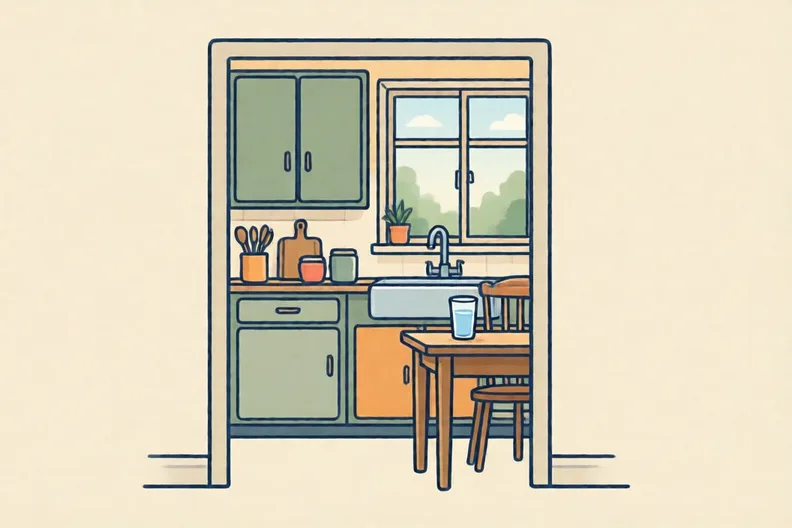
A tidy kitchen with a closed cupboard and a sink, no people
  1. 1.

    A tablet is in a bottle. Who should give it to you? Circle one.

    Tablet in a bottleTaken safely
    A trusted adultYourselfA friend at school
  2. 2.

    Put each card in the right column.

    Medicine in the cupboardCleaning fluid under the sinkDrinking water from your own cupTying your shoelaces
    Ask a grown-up firstOK to do on your own
  3. 3.

    You find a small tablet on the floor. Number these steps in the right order.

    1. Tell a trusted adult straight away
    2. Stop and do not touch it
    3. Wait for the grown-up to check it
  4. 4.

    Finish the sentence. Medicine is safe when a trusted adult gives it, because

    Feel poorlyTell a grown-upFeel better

Say it out loud: Which card did you have to think about most, and why?

D Spot the mistake3 min
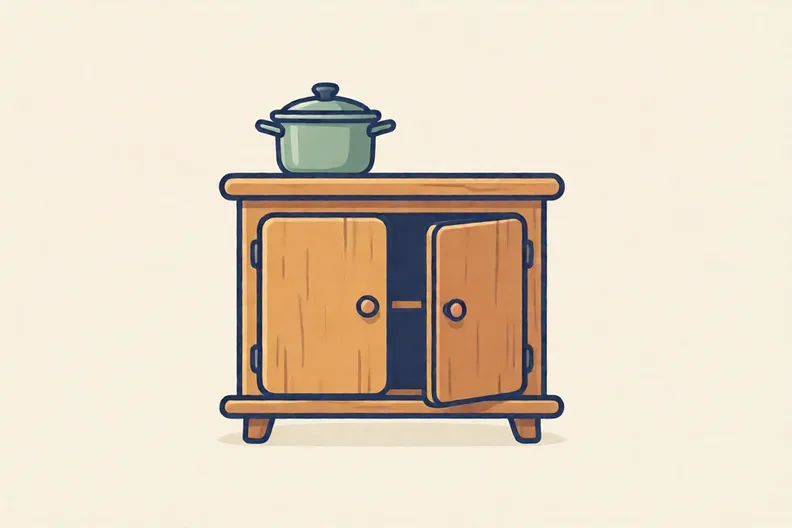
A wooden kitchen cupboard with one door slightly open and a pot on its top shelf.
Sam says: “My head hurts, so I will take a tiny tablet myself.”
  1. 1.

    Why is Sam wrong? Write one reason.

E Think deeper2 min
A quiet clinic waiting room with empty chairs and a plant by a window
  1. 1.

    Name two trusted adults who could help you if you feel poorly. Say what each one can do.

How did it feel?

Think about today. Was it easy to say who helps you? Tell a grown-up one thing you learned.

I can do it Nearly Not yet
StudyDen · Year 1 · PSHE · Medicines and SafetyAnswers are on the grown-up page

For the grown-up

Medicine and Who Helps · 2 minutes to read

Answers, and what a wrong one tells you

A

1. Wash with soap and water If your child picks wiping on clothes, germs stay on the hands. Ask what soap and water wash away.

2. Happy → Won a race at sports day; Cross → Someone took your toy; Scared → A loud bang in the night

3. Tell a trusted adult If your child picks keeping it a secret, explain that a grown-up must hear about it. Telling never gets you in trouble.

B

1. Ask a trusted adult If your child picks taking a tablet, medicine can make a child very poorly. Ask who should give it.

C

1. A trusted adult If your child picks a friend or themselves, say medicine needs a grown-up who knows the right amount.

2. Ask a grown-up first: Medicine in the cupboard, Cleaning fluid under the sink · OK to do on your own: Drinking water from your own cup, Tying your shoelaces

3. 1 Stop and do not touch it · 2 Tell a trusted adult straight away · 3 Wait for the grown-up to check it If your child puts telling first, check they also know not to touch it. Stop comes before anything else.

4. Look for: Says the grown-up knows the right medicine, amount or time.

D

1. Look for: Says that even a tiny tablet can harm you, so a trusted adult should give medicine. If your child says a small tablet is fine, say that tiny tablets can still make a child very poorly. Ask who should give it.

E

1. Look for: Names two trusted adults and says what each one can do to help.

Words to use

Say“Who would you ask first, and why? Praise any honest answer. Telling a grown-up never gets your child in trouble.”
Instead of“Medicines are dangerous, so never touch them.”

After the sheet

Walk round the home together. Point to anything a child should never take alone, such as medicines or cleaning bottles, and name who to ask. If you worry about a child's safety, call the NSPCC helpline on 0808 800 5000. Children can call Childline on 0800 1111.

Tick what your child got right in StudyDen. Anything missed comes back in a later Look back box, so there's no need to redo the sheet.

The rest of this unit

5 more sheets come with a StudyDen plan, in teaching order:

  1. Real or on a screen?(with a plan)
  2. Screens: Helpful or Not?(with a plan)
  3. Kind and safe online(with a plan)
  4. Turning the Alarm Down(with a plan)
  5. Big Feelings, Calm Choices(with a plan)

Every Year 1 PSHE worksheet

The worksheets plan opens a printable sheet for every lesson in Years 1 to 6, each with its answers on a separate page for you. It costs £6.99 a month or £59 a year for the whole family, with no free trial.

The full StudyDen plan adds the lessons themselves, marked as your child works, with the worksheets included. It is 7 days free, then £29.99 a month.

Both start with a free account; you choose the plan when you sign up.