← Year 3 critical thinking worksheets

Year 3 Critical thinking: Autumn 2 worksheet

“One Reason or Many?” is free to print, with no account. It is the first sheet in the Year 3 critical thinking unit “Critical thinking: Autumn 2”, for children aged 7 to 8, and takes about 20 minutes.

Print it on A4. The child's pages come first; the answers, and what each wrong answer tells you, are on the grown-up page that follows. Weeks 7 to 12 of the year, 6 sheets in the unit.

Free sample · answers on the last page

One Reason or Many?

Name: ____________ · Date: ____________
Year 3 · Critical thinking · about 20 minutes
Answers are on the grown-up page

Today I can tell when a second reason adds something new to an argument.

A Look back3 min

  1. 1.

    Some reason cards were sorted into three piles. Which pile holds the reasons that help the claim? Circle it.

    Reason cards in three piles01234SupportsDoesn't supportUnsure
    SupportsDoesn't supportUnsure
  2. 2.

    Sentence 1 says: “Our class should keep a pet fish.” Is it a claim or a reason? Circle the answer.

    Three sentences in one short argumentSentence 1Sentence 2Sentence 3= 1
    ClaimReason
  3. 3.

    Which reason helps the claim “We should clean the fish tank every week”? Circle the answer.

    HelpsDoes not help
    Fish need clean water each weekMy favourite colour is green

B Watch me, then you4 min

Ruby wants her class to have a longer break time. She gives two reasons. Is the second reason new?
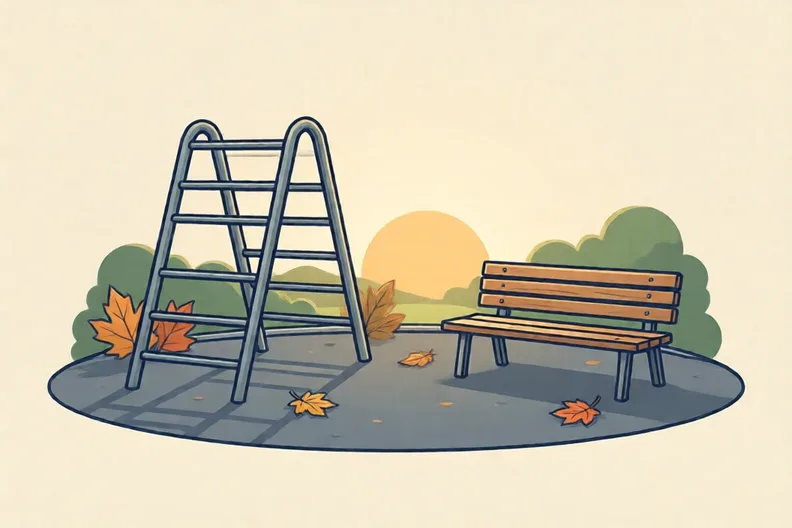
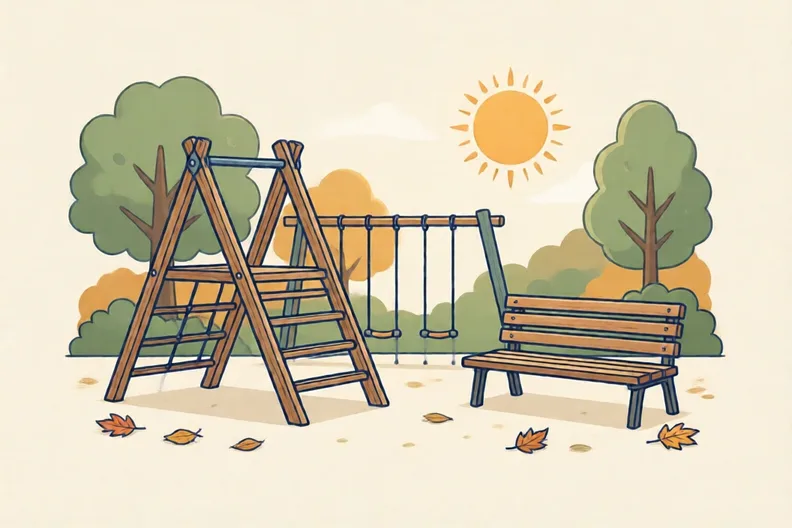
An empty school playground with a climbing frame, a wooden bench and autumn leaves.
Watch me
A quiet school playground with a climbing frame and a bench, no people

Claim: Children should have a longer break time.

Reason 1: Breaks help us rest and think well.

Reason 2: Running about keeps our bodies strong.

Reason 2 is new. It is about bodies, not thinking.

Now you
  1. 1.

    Same claim: Children should have a longer break time. Write a third reason that is different from both.

C Your turn6 min

Each row has a claim and a second reason. Decide if the second reason is new or a repeat.
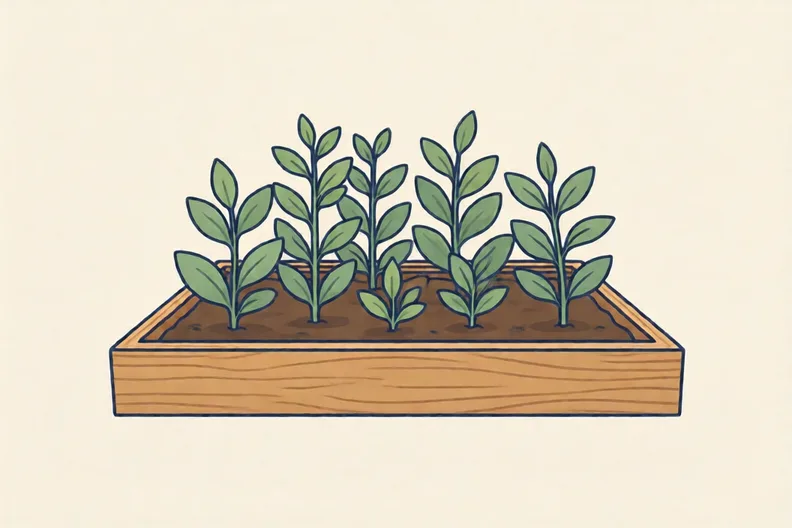
A school garden bed with young plants in neat rows, no people
  1. 1.

    Claim: Our school should have a class garden. Reason 1: Plants need care. Reason 2: Plants need care too. Is Reason 2 new or a repeat?

    Yes, it is newNo, it repeats
  2. 2.

    Claim: Our school should have a class garden. Reason 1: Plants need care. Reason 2: Gardens give bees food. Is Reason 2 new or a repeat?

    Yes, it is newNo, it repeats
  3. 3.

    Claim: Our school should have a class garden. Reason 1: Plants need care. Reason 2: Plants must be looked after. Is Reason 2 new or a repeat?

    Yes, it is newNo, it repeats
  4. 4.

    The tally shows more pupils chose the garden. Does this show the garden is the best idea?

    GardenPond
    Yes, it proves itNo, it only shows what pupils chose

Say it out loud: What did the repeat reasons have in common? What changed in the new ones?

D Spot the mistake3 min
A bowl of apples and pears on a wooden table, no people
Leo says: “Fruit is healthy. Fruit is healthy for us. Fruit is good for our bodies. So I have three reasons.”
  1. 1.

    How many different reasons does Leo really give? Write the number.

E Think deeper4 min

Imagine a claim that a school trip should go to the seaside. Write one claim, then two reasons that are different.

A sandy beach with rock pools and a calm sea, no people
  1. 1.

    Write your claim, then two reasons. Check that your second reason adds something new.

How did it feel?

I can do it Nearly Not yet
StudyDen · Year 3 · Critical thinking · Argument BuildingAnswers are on the grown-up page

For the grown-up

One Reason or Many? · 2 minutes to read

Answers, and what a wrong one tells you

A

1. Supports If they pick another pile, ask: which pile name means the reason helps the claim?

2. Claim If they say reason, ask: is this what the person wants us to believe? A reason would tell us why.

3. Fish need clean water each week If they pick the colour, ask: does a favourite colour tell us anything about cleaning a fish tank? Ask them to say why.

B

1. Look for: A reason about a new idea, such as making friends, fresh air or fun, not a repeat of rest or running. If they repeat rest or running in new words, ask: does this say anything new? Ask them to think of friends, fresh air or fun.

C

1. No, it repeats If they say new, ask them to point to the words that are the same. Ask: does Reason 2 tell us anything Reason 1 did not?

2. Yes, it is new

3. No, it repeats If they say new, ask: is looked after the same as care? Ask them to say it in their own words to check.

4. No, it only shows what pupils chose If they say yes, ask: does the tally show why people chose it? Ask what the tally cannot tell us.

D

1. 1 If they write 3, they have counted sentences like Leo did. Ask: does each sentence say something new? All three say fruit is good for us.

E

1. Look for: A claim about a school trip, plus two reasons where the second gives a new idea, not a repeat of the first.

Words to use

Say“Is the second reason saying something new, or the same thing in new words?”
Instead of“Tell them the first reason is right and the second is wrong.”

After the sheet

At home, pick a family choice, like a film or a day out. Ask your child for one reason, then a second that is different. Talk about which one is new.

Tick what your child got right in StudyDen. Anything missed comes back in a later Look back box, so there's no need to redo the sheet.

The rest of this unit

5 more sheets come with a StudyDen plan, in teaching order:

  1. Fact or opinion reasons(with a plan)
  2. Finding the conclusion(with a plan)
  3. Reasons and conclusions(with a plan)
  4. Mapping Reasons to Conclusions(with a plan)
  5. Does the conclusion follow?(with a plan)

Every Year 3 critical thinking worksheet

The worksheets plan opens a printable sheet for every lesson in Years 1 to 6, each with its answers on a separate page for you. It costs £6.99 a month or £59 a year for the whole family, with no free trial.

The full StudyDen plan adds the lessons themselves, marked as your child works, with the worksheets included. It is 7 days free, then £29.99 a month.

Both start with a free account; you choose the plan when you sign up.