← Year 3 critical thinking worksheets

Year 3 Critical thinking: Spring 2 worksheet

“Strong and weak evidence” is free to print, with no account. It is the first sheet in the Year 3 critical thinking unit “Critical thinking: Spring 2”, for children aged 7 to 8, and takes about 20 minutes.

Print it on A4. The child's pages come first; the answers, and what each wrong answer tells you, are on the grown-up page that follows. Weeks 19 to 24 of the year, 6 sheets in the unit.

Free sample · answers on the last page

Strong and weak evidence

Name: ____________ · Date: ____________
Year 3 · Critical thinking · about 20 minutes
Answers are on the grown-up page

Today I can rank evidence by how many cases it covers and whether the source knows the topic.

A Look back3 min

  1. 1.

    Is “Rainy days are the worst” a fact or an opinion? Circle one.

    factopinion
  2. 2.

    Rain makes puddles. Puddles make shoes muddy. Circle the card that goes in the empty box.

    Rain fallsShoes get muddy
    Puddles formSunshineSnow melts
  3. 3.

    Sam sneezed. After that, it rained. Did the sneeze cause the rain? Circle yes or no.

    AD 1AD 1AD 2AD 3AD 4Sam sneezedIt rained
    YesNo

B Watch me, then you4 min

A class asked 24 children which season they like best. Is this a survey or one child's story?

Watch me
Favourite season (24 children)024681012SummerWinterAutumnSpring

The survey asked 24 children, so it covers many cases.

One child's story would only cover 1 case.

So this survey is stronger evidence than one story.

Now you
  1. 1.

    A class asked 20 children which pet they like best. Is this stronger evidence than one child's story? Write why.

    Favourite pet0246810CatsDogsFish

C Your turn6 min

Each mark on a tally is one case. For each pair, think about how many cases there are and who knows the topic.

  1. 1.

    Source A is one child who looked once. Source B is a scientist who tested the water 5 times. Which is stronger evidence that the pond is clean? Circle A or B.

    Source ASource B
    AB
  2. 2.

    Source A is a vet who checked 4 dogs. Source B is 9 children guessing if their dogs are healthy. Which source knows more about dog health? Circle A or B.

    Source ASource B
    AB
  3. 3.

    Source A is 7 children who tried both slides. Source B is 3 children who watched from a bench. Which knows more about which slide is faster? Circle A or B.

    Source ASource B
    AB
  4. 4.

    Source A is a dentist who checked 12 children's teeth. Source B is 2 friends who think sweets do not hurt teeth. Which is stronger evidence about teeth? Circle A or B.

    Source ASource B
    AB

Say it out loud: Did you look at how many cases, who the source was, or both? Which mattered more each time?

D Spot the mistake3 min

Maya says: “My cousin ate fish and felt sick, so fish makes everyone feel sick.”
Maya's cousinChildren in a survey
  1. 1.

    Is one story enough to prove this? Circle yes or no.

    YesNo

E Think deeper4 min

Ravi thinks his dog's favourite food is the best food for every dog.
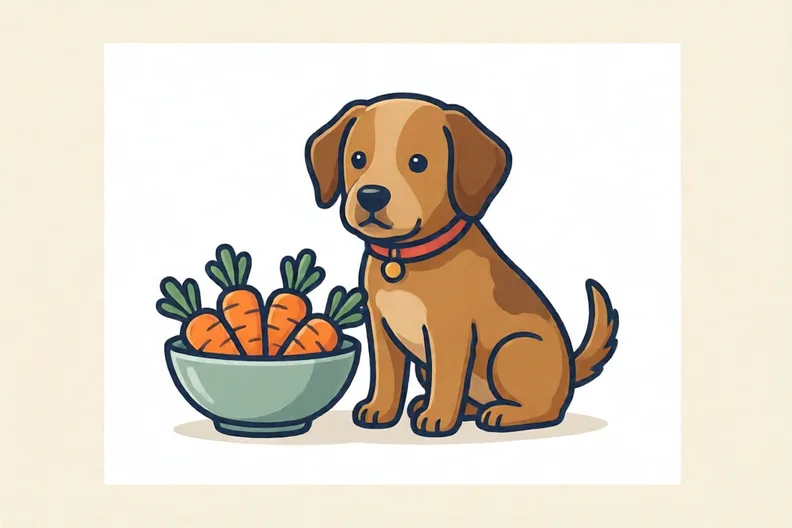
A brown dog sits beside a bowl of orange carrots on a plain white background.
  1. 1.

    Ravi says carrots are best for all dogs. Name two better kinds of evidence. Say why each is stronger.

How did it feel?

Which kind of evidence was easiest to spot today? Tell your grown-up why.

I can do it Nearly Not yet
StudyDen · Year 3 · Critical thinking · Year 3 Critical Thinking ToolkitAnswers are on the grown-up page

For the grown-up

Strong and weak evidence · 2 minutes to read

Answers, and what a wrong one tells you

A

1. opinion If they wrote fact, ask: could two people disagree about this? A fact can be checked. “The worst” is a feeling.

2. Puddles form If they chose Sunshine, ask: does sunshine make the puddles? Follow the arrows from rain to puddles to muddy shoes.

3. No If they wrote yes, they mixed up after with because of. Ask: what else could have made it rain?

B

1. Look for: Says the survey is stronger because it covers 20 cases, not just one. If your child says one story is just as good, ask: how many children does each one cover?

C

1. B

2. A If they chose B, ask: who has learned how to tell if a dog is healthy? A vet knows the topic, even with fewer cases.

3. A

4. A

D

1. No If they wrote yes, ask: how many people does this story cover? A survey of many people would be needed to show it.

E

1. Look for: Names two sources such as a vet's advice or a survey of many dog owners, with a reason each covers more cases or has expert knowledge.

Words to use

Say“How many cases does this cover? Does the person really know about this subject?”
Instead of“Tell them which answer is right, without asking them to check the cases.”

After the sheet

Ask someone at home which they trust more: one friend's story or a survey of the whole class. Ask them why, then swap roles.

Tick what your child got right in StudyDen. Anything missed comes back in a later Look back box, so there's no need to redo the sheet.

The rest of this unit

5 more sheets come with a StudyDen plan, in teaching order:

  1. Ranking Evidence Cards(with a plan)
  2. Sharpening Good Questions(with a plan)
  3. Building Both Sides(with a plan)
  4. Answering the Other Side(with a plan)
  5. Replying politely with however(with a plan)

Every Year 3 critical thinking worksheet

The worksheets plan opens a printable sheet for every lesson in Years 1 to 6, each with its answers on a separate page for you. It costs £6.99 a month or £59 a year for the whole family, with no free trial.

The full StudyDen plan adds the lessons themselves, marked as your child works, with the worksheets included. It is 7 days free, then £29.99 a month.

Both start with a free account; you choose the plan when you sign up.