← Year 3 history worksheets

Year 3 Iron Age Britain: what have historians learnt about Iron Age Britain? worksheet

“Finding Lindow Man” is free to print, with no account. It is the first sheet in the Year 3 history unit “Iron Age Britain: what have historians learnt about Iron Age Britain?”, for children aged 7 to 8, and takes about 22 minutes.

Print it on A4. The child's pages come first; the answers, and what each wrong answer tells you, are on the grown-up page that follows. Weeks 31 to 36 of the year, 6 sheets in the unit.

Free sample · answers on the last page

Finding Lindow Man

Name: ____________ · Date: ____________
Year 3 · History · about 22 minutes
Answers are on the grown-up page

Today I can explain how historians know what they know about Lindow Man.

A Look back3 min

  1. 1.

    Circle the period that came between the Stone Age and the Iron Age.

    Stone AgeIron Age
    Bronze AgeVictorian eraRoman times
  2. 2.

    Circle the period when people made tools from stone, before they used metal.

    Bronze AgeIron Age
    Stone AgeIron AgeVictorian era
  3. 3.

    Circle the period that came just before Roman times.

    Roman times
    Iron AgeStone Age1960s

B Watch me, then you4 min

In 1984, a body was found in a bog. Historians sort what people say about it into three groups: we know, good guess, no way to know.
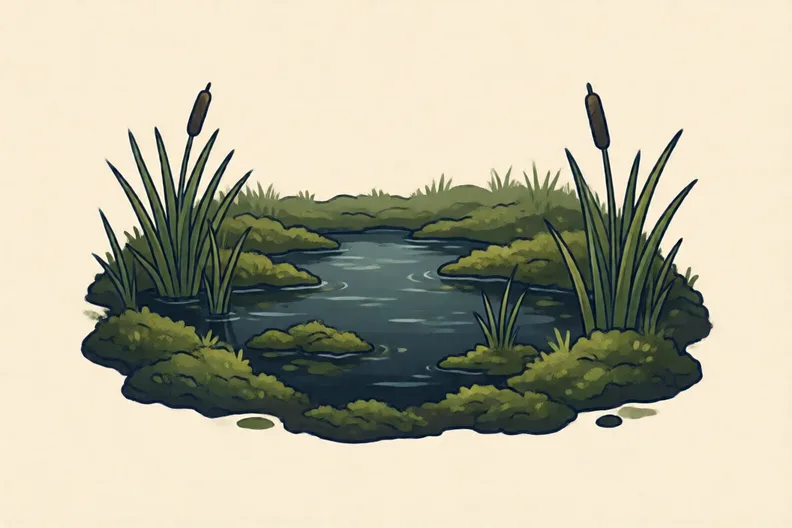
Watch me
A cold, wet peat bog with dark water and green moss, with no people

Card: "The body was found in a peat bog." Evidence shows this, so we know it.

Card: "He walked to the bog." Nothing proves it. It fits where he was found, so it is a good guess.

Card: "He liked singing." Nothing we have shows this, so there is no way to know.

Now you
  1. 1.

    Sort these cards into the right columns. Clue: nothing found with him shows what job he did.

    His last meal was flatbreadHe was a farmerHis hair was brownHe lived near the bog
    We knowGood guessNo way to know

C Your turn8 min

Work through each row. Notice what changes from one row to the next.
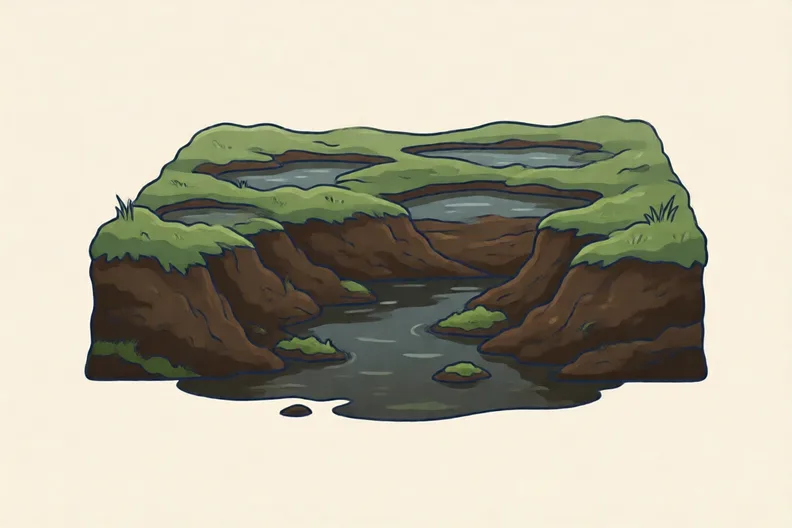
A trench cut into a wet bog, showing layers of dark brown peat
  1. 1.

    Circle a word for a wet, muddy place where peat forms.

    bogmosstomb
  2. 2.

    Join each word to its meaning.

    archaeologistpreservedpeatbog
    wet muddy groundkept in its original statea person who studies remains from the pastsoft dark soil made from rotting plants
  3. 3.

    Sort these cards into the right columns.

    His teeth were healthyHe had a pet birdHis body was found in CheshireOther people in his time ate bread
    We knowGood guessNo way to know
  4. 4.

    Write one thing archaeologists can answer about Lindow Man, and one thing they cannot.

Say it out loud: What made one row easy, and what made the next row harder?

D Spot the mistake3 min
A wet bog with a fallen log in dark water, with no people
Kit says: “Every body stays just as it was for thousands of years after death.”
  1. 1.

    Write one reason Kit is wrong.

E Think deeper4 min

A round flatbread baked on a hot stone beside a small fire, with no people
  1. 1.

    Archaeologists know what Lindow Man ate, but not what his job was. Explain how a scientist could still find out more. Then write one question you still have.

How did it feel?

Think about Lindow Man. Which fact surprised you most? Tell a grown-up why.

I can do it Nearly Not yet
StudyDen · Year 3 · History · Iron Age Britain: what have historians learnt about Iron Age Britain?Answers are on the grown-up page

For the grown-up

Finding Lindow Man · 2 minutes to read

Answers, and what a wrong one tells you

A

1. Bronze Age

2. Stone Age

3. Iron Age

B

1. We know: His last meal was flatbread, His hair was brown · Good guess: He lived near the bog · No way to know: He was a farmer

C

1. bog, moss

2. archaeologist → a person who studies remains from the past; preserved → kept in its original state; peat → soft dark soil made from rotting plants; bog → wet muddy ground

3. We know: His teeth were healthy, His body was found in Cheshire · Good guess: Other people in his time ate bread · No way to know: He had a pet bird

4. Look for: One thing archaeologists can answer, such as his age or teeth, and one they cannot, such as who he was or his job.

D

1. Look for: Most bodies break down, leaving only bones; Lindow Man survived because the cold, wet, mossy bog preserved him, so it was rare. your child may think all bodies stay the same. Most bodies break down and leave only bones. Lindow Man was rare because the cold, mossy bog kept his skin. Ask: what usually happens to a body left in the ground?

E

1. Look for: One sensible way to find out more, such as studying other finds, testing remains or comparing with similar finds, plus one question.

Words to use

Say“How do we know that? Could we prove it, or is it a guess?”
Instead of“Just tell them the answer straight away.”

After the sheet

Line up three objects from oldest to newest, such as a book, a shoe and a toy. Ask how they know which is oldest, then sort three facts about your family into know, guess and can't know.

Tick what your child got right in StudyDen. Anything missed comes back in a later Look back box, so there's no need to redo the sheet.

The rest of this unit

5 more sheets come with a StudyDen plan, in teaching order:

  1. Clues from Celtic treasure(with a plan)
  2. The Wetwang chariot(with a plan)
  3. Iron Age women and leaders(with a plan)
  4. Connected across the sea(with a plan)
  5. Detectives of the past(with a plan)

Every Year 3 history worksheet

The worksheets plan opens a printable sheet for every lesson in Years 1 to 6, each with its answers on a separate page for you. It costs £6.99 a month or £59 a year for the whole family, with no free trial.

The full StudyDen plan adds the lessons themselves, marked as your child works, with the worksheets included. It is 7 days free, then £29.99 a month.

Both start with a free account; you choose the plan when you sign up.