← Year 3 history worksheets

Year 3 Stone Age Britain: what do archaeologists think they know about it? worksheet

“Who lived in Britain first?” is free to print, with no account. It is the first sheet in the Year 3 history unit “Stone Age Britain: what do archaeologists think they know about it?”, for children aged 7 to 8, and takes about 20 minutes.

Print it on A4. The child's pages come first; the answers, and what each wrong answer tells you, are on the grown-up page that follows. Weeks 1 to 6 of the year, 6 sheets in the unit.

Free sample · answers on the last page

Who lived in Britain first?

Name: ____________ · Date: ____________
Year 3 · History · about 20 minutes
Answers are on the grown-up page

Today I can say that several different kinds of humans have lived in Britain.

A Look back3 min

  1. 1.

    Queen Victoria began to rule in 1837. Was that before or after the Great Fire of London?

    150016001700180019002000Great Fire of LondonQueen Victoria begins
  2. 2.

    Write these years in order, earliest first: 1666, 1066, 1837.

    10001100120013001400150016001700180019002000
  3. 3.

    The Battle of Hastings was in 1066. The Great Fire of London was in 1666. Which happened first?

    10001100120013001400150016001700Battle of HastingsGreat Fire of London

B Watch me, then you4 min

About 900,000 years ago, people walked across mud at Happisburgh. Look at the timeline, then try the next one.
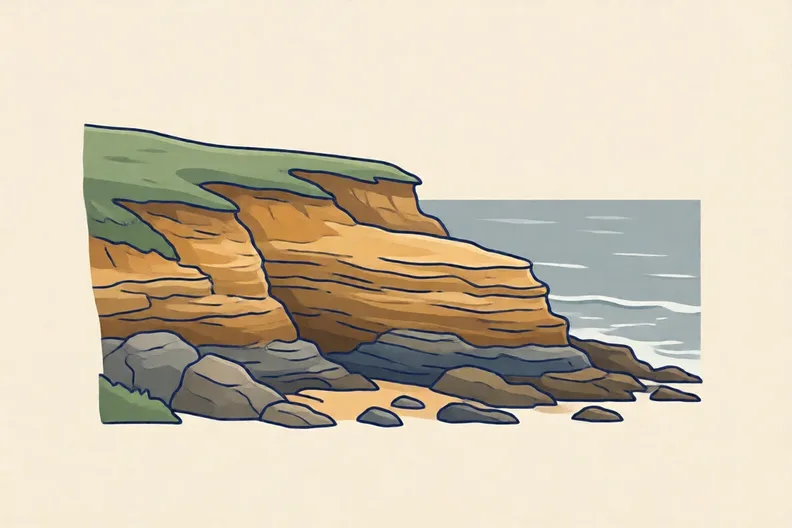
Layers of sand and soil in a low cliff above a beach
Watch me
1000000 BC900000 BC800000 BC700000 BC600000 BC500000 BC400000 BC300000 BC200000 BC100000 BCHappisburgh footprintsCheddar skeleton

Each mark on the line is 100,000 years.

Happisburgh is about 900,000 years ago.

Cheddar is about 10,000 years ago.

900,000 years ago is further back, so the footprints are older.

Now you
  1. 1.

    Which is older: Boxgrove teeth (about 500,000 years ago) or the Cheddar skeleton (about 10,000 years ago)? Circle the older find.

    Boxgrove teethCheddar skeleton
  2. 2.

    Look at the timeline. Which is older, the Boxgrove teeth or the Happisburgh footprints? How do you know?

    1000000 BC900000 BC800000 BC700000 BC600000 BC500000 BC400000 BC300000 BC200000 BC100000 BCHappisburgh footprintsBoxgrove teeth

C Your turn8 min

Different kinds of humans left these finds. Homo antecessor probably made the Happisburgh footprints. Homo heidelbergensis left the Boxgrove teeth. The Cheddar skeleton was Homo sapiens, people like us.
A muddy beach with grey sea at the edge and low cliffs behind
  1. 1.

    Number these finds. Write 1 for the oldest and 3 for the newest.

    1. Cheddar skeleton, about 10,000 years ago
    2. Happisburgh footprints, about 900,000 years ago
    3. Boxgrove teeth and bones, about 500,000 years ago
  2. 2.

    Which find was left by Homo sapiens, people like us? Circle the find.

    Boxgrove teethHappisburgh footprintsCheddar skeleton
  3. 3.

    Were the Boxgrove teeth left by Homo sapiens, people like us? How do you know?

    1000000 BC900000 BC800000 BC700000 BC600000 BC500000 BC400000 BC300000 BC200000 BC100000 BCBoxgrove teethCheddar skeleton
  4. 4.

    Only one of these groups survived the last Ice Age and is still alive today. Circle it.

    Homo antecessorHomo sapiensHomo neanderthalensis

Say it out loud: Which kinds of humans left these finds? Which numbers tell you how old a find is?

D Spot the mistake3 min
An old human skull and three bones on a plain background.
Ali says: “Only one kind of human has lived in Britain, so old bones must be Homo sapiens.”
  1. 1.

    Why is Ali wrong? Write one sentence.

E Think deeper3 min
An open dig trench in a grassy field with a trowel and brush beside it
  1. 1.

    Why do archaeologists keep digging up new finds? Give one reason in your own words.

How did it feel?

I can do it Nearly Not yet
StudyDen · Year 3 · History · Stone Age Britain: what do archaeologists think they know about it?Answers are on the grown-up page

For the grown-up

Who lived in Britain first? · 2 minutes to read

Answers, and what a wrong one tells you

A

1. Look for: Says after, because 1837 is later than 1666.

2. 1066, 1666, 1837 If your child puts 1837 first, they may think the biggest year is the oldest. Ask which year sits furthest left on the timeline.

3. Look for: Says the Battle of Hastings, because 1066 is earlier than 1666.

B

1. Boxgrove teeth your child may think the newer find is older. Ask: which one is more years ago?

2. Look for: Says the Happisburgh footprints, because they are more years ago or further left on the timeline.

C

1. 1 Happisburgh footprints, about 900,000 years ago · 2 Boxgrove teeth and bones, about 500,000 years ago · 3 Cheddar skeleton, about 10,000 years ago If your child puts the Cheddar skeleton first, the newest find may be treated as the oldest. Ask which find is furthest back in time.

2. Cheddar skeleton If your child picks the footprints or the teeth, they may think every find was made by people like us. Ask which kind of human left each find.

3. Look for: Says no, and that a different kind of human, Homo heidelbergensis, left the Boxgrove teeth.

4. Homo sapiens If your child picks Homo neanderthalensis, they have found a group that lived here, but it did not survive. Say that only Homo sapiens survived.

D

1. Look for: Says that several different human groups lived in Britain, so old bones may belong to other groups such as Homo heidelbergensis or Homo neanderthalensis, not only Homo sapiens. If your child agrees with Ali, ask which kind of human made the Happisburgh footprints. The page says Homo antecessor, not Homo sapiens.

E

1. Look for: Gives a reason such as a new find can change what we know about who lived in Britain, or can add evidence about earlier groups.

Words to use

Say“Which find is the oldest, and how do you know?”
Instead of“Just tell them the right answer so we can move on.”

After the sheet

Lay a long strip of paper on the table. Write three things from this week along it in the order they happened. Ask your child which one is oldest and why.

Tick what your child got right in StudyDen. Anything missed comes back in a later Look back box, so there's no need to redo the sheet.

The rest of this unit

5 more sheets come with a StudyDen plan, in teaching order:

  1. Clues from the Paleolithic Era(with a plan)
  2. Life after the Ice Age(with a plan)
  3. Campsites and settlements(with a plan)
  4. Life at Skara Brae(with a plan)
  5. Stone Age objects tell stories(with a plan)

Every Year 3 history worksheet

The worksheets plan opens a printable sheet for every lesson in Years 1 to 6, each with its answers on a separate page for you. It costs £6.99 a month or £59 a year for the whole family, with no free trial.

The full StudyDen plan adds the lessons themselves, marked as your child works, with the worksheets included. It is 7 days free, then £29.99 a month.

Both start with a free account; you choose the plan when you sign up.