← Year 3 Islamic studies worksheets

Year 3 Islamic RE: Spring 2 worksheet

“Patience in Makkah” is free to print, with no account. It is the first sheet in the Year 3 Islamic studies unit “Islamic RE: Spring 2”, for children aged 7 to 8, and takes about 20 minutes.

Print it on A4. The child's pages come first; the answers, and what each wrong answer tells you, are on the grown-up page that follows. Weeks 19 to 24 of the year, 6 sheets in the unit.

Free sample · answers on the last page

Patience in Makkah

Name: ____________ · Date: ____________
Year 3 · Islamic RE · about 20 minutes
Answers are on the grown-up page

Today I can explain how the first Muslims in Makkah showed sabr and how Abu Bakr helped Bilal.

A Look back3 min

  1. 1.

    People in Makkah called the Prophet ﷺ this name because he was always honest. Circle it.

    Young man in MakkahKnown as honest
    Al-AminAl-MalikAl-Ghafur
  2. 2.

    Join each word to its meaning.

    ABC123N
    HiraJibreel (AS)Iqra
    the first word revealed, meaning 'read'the cave on a hill near Makkahthe angel who brought the first revelation
  3. 3.

    Which prophet (AS) led Bani Isra'il out of Egypt? Circle the name.

    Army followsThe sea opensBani Isra'il cross
    Musa (AS)Ibrahim (AS)Isa (AS)

B Watch me, then you4 min

Bilal was an enslaved man in Makkah. He held firmly to belief in the One God. The Quraysh hurt him to make him stop. Abu Bakr (RA), the Prophet's ﷺ closest companion, was known as As-Siddiq, the truthful one.
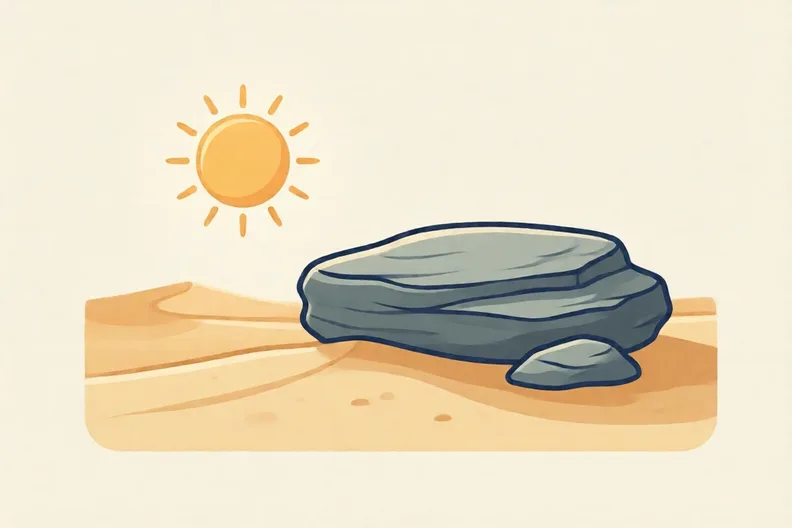
Hot desert sand under a bright sun, with a large flat rock, no people
Watch me
Bilal is hurtBilal trusts AllahBilal stays strong

Bilal was treated cruelly in Makkah.

He did not give up his faith.

This patience is called sabr.

Now you
  1. 1.

    Circle the title that means 'the truthful one'.

    Abu Bakr (RA)Known for honestyGiven a title
    As-SiddiqAl-AminAl-Malik
  2. 2.

    Write one hard thing a believer might need sabr for.

    A hard dayStay calmKeep trusting Allah

C Your turn6 min

Read each card. Join, circle, sort or order as asked.
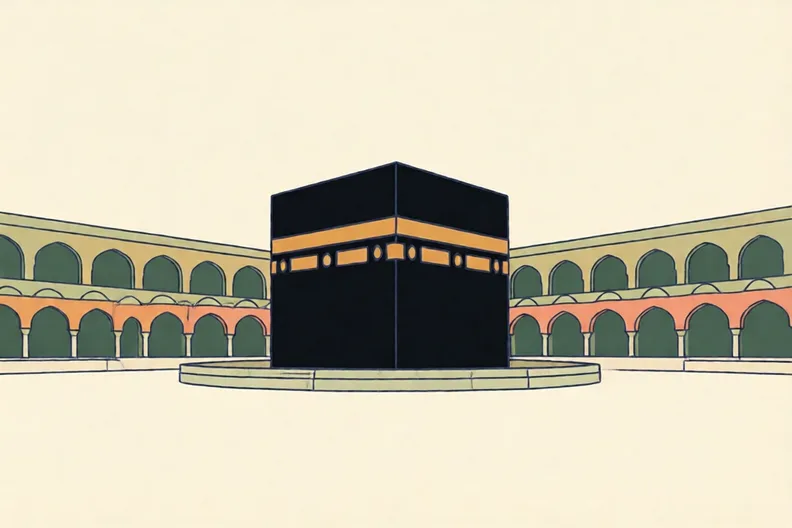
The Kaabah, a plain cube-shaped building, seen from a distance in a city
  1. 1.

    Ali (RA) was a boy who grew up in the Prophet's ﷺ home. Zayd (RA) was once enslaved. Join each first believer to what they are known for.

    Khadijah (RA)Ali ibn Abi Talib (RA)Zayd ibn Harithah (RA)Abu Bakr (RA)
    As-Siddiqthe Prophet's ﷺ young cousinthe first woman to accept Islama freed man the Prophet ﷺ loved like a son
  2. 2.

    Circle the reason the Quraysh were angry about Islam.

    Idols in the KaabahVisitors bring tradeQuraysh keep power
    Leaving the idols would cost the Quraysh money and powerMuslims refused to trade with anyone in MakkahThe Muslims had already moved away from Makkah
  3. 3.

    Sort each action into the right column.

    stays calm when others mock himgives up his faith to end the painkeeps trusting Allah while in painsays he will never pray again
    Shows sabrDoes not show sabr
  4. 4.

    Put Bilal's story in order. Box 1 is the belief that made the Quraysh angry. Write 1 to 4 in the boxes.

    1. Abu Bakr pays to set Bilal free
    2. Bilal says Ahad, meaning One
    3. Bilal is free and loved by the Muslims
    4. The Quraysh hurt Bilal in the desert

Say it out loud: Look at the names and actions. Which ones show patience, and how do you know?

D Spot the mistake3 min
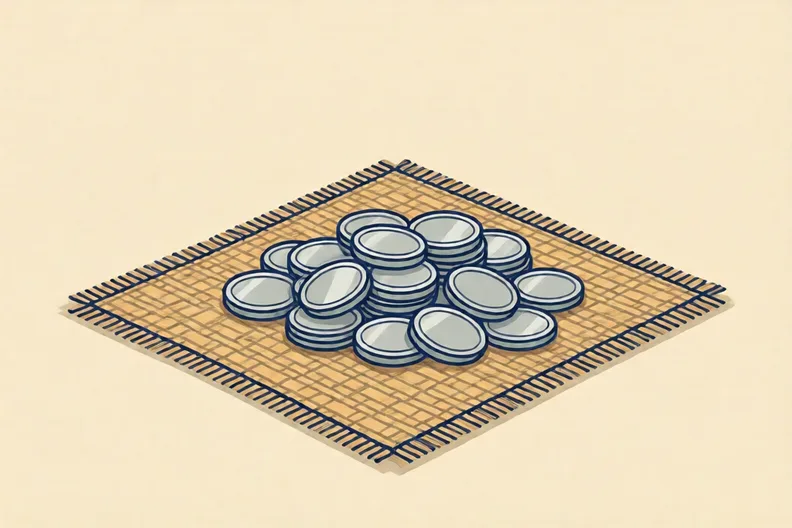
A small pile of silver coins on a plain woven mat
Kit says: “Abu Bakr set Bilal free because he was a prophet.”
  1. 1.

    Write what Abu Bakr really was, and what he did for Bilal.

E Think deeper3 min

Think about a time someone was treated unfairly. What could you do to help them?

  1. 1.

    Write 2 to 4 sentences. Say one kind or brave thing you could do, and what the person would need most.

    Someone is wrongedYou speak up kindlyThey feel less alone

How did it feel?1 min

Think about Bilal and Abu Bakr. How did this story make you feel? Tell your grown-up one word.

I can do it Nearly Not yet
StudyDen · Year 3 · Islamic RE · Seerah: The Prophet ﷺ's LifeAnswers are on the grown-up page

For the grown-up

Patience in Makkah · 2 minutes to read

Answers, and what a wrong one tells you

A

1. Al-Amin

2. Hira → the cave on a hill near Makkah; Jibreel (AS) → the angel who brought the first revelation; Iqra → the first word revealed, meaning 'read'

3. Musa (AS)

B

1. As-Siddiq your child may have chosen Al-Amin, which was the Prophet's ﷺ name. Point to Abu Bakr's picture and ask what title he was given.

2. Look for: A hard situation a believer might face, such as being mocked or hurt for their faith, answered with calm patience.

C

1. Khadijah (RA) → the first woman to accept Islam; Ali ibn Abi Talib (RA) → the Prophet's ﷺ young cousin; Zayd ibn Harithah (RA) → a freed man the Prophet ﷺ loved like a son; Abu Bakr (RA) → As-Siddiq

2. Leaving the idols would cost the Quraysh money and power your child may have picked the answer about Muslims refusing to trade, which did not happen. Point to the picture and ask who would lose money if people stopped visiting the idols.

3. Shows sabr: stays calm when others mock him, keeps trusting Allah while in pain · Does not show sabr: gives up his faith to end the pain, says he will never pray again

4. 1 Bilal says Ahad, meaning One · 2 The Quraysh hurt Bilal in the desert · 3 Abu Bakr pays to set Bilal free · 4 Bilal is free and loved by the Muslims

D

1. Look for: Abu Bakr was a close companion of the Prophet ﷺ, not a prophet, and he paid money to free Bilal. your child may think only prophets can do great good. Ask: was Abu Bakr a prophet or a companion? Then ask what he used to free Bilal.

E

1. Look for: A kind or brave action to help someone treated unfairly, plus what they need, such as courage, friendship or help.

Words to use

Say“Which person in the story showed sabr, and how do you know?”
Instead of“Just tell them the answer.”

After the sheet

At dinner, tell a short true story about someone in your family who stood firm or helped someone. Ask: what did they need most?

Tick what your child got right in StudyDen. Anything missed comes back in a later Look back box, so there's no need to redo the sheet.

The rest of this unit

5 more sheets come with a StudyDen plan, in teaching order:

  1. Safe in Abyssinia(with a plan)
  2. A Muslim Day(with a plan)
  3. The Year of Sorrow(with a plan)
  4. The Night Journey(with a plan)
  5. The Hijrah: Retreat or Victory?(with a plan)

Every Year 3 Islamic studies worksheet

The worksheets plan opens a printable sheet for every lesson in Years 1 to 6, each with its answers on a separate page for you. It costs £6.99 a month or £59 a year for the whole family, with no free trial.

The full StudyDen plan adds the lessons themselves, marked as your child works, with the worksheets included. It is 7 days free, then £29.99 a month.

Both start with a free account; you choose the plan when you sign up.