← Year 3 PSHE worksheets

Year 3 PSHE: Autumn 2 worksheet

“Practising STOP, THINK, ACT” is free to print, with no account. It is the first sheet in the Year 3 PSHE unit “PSHE: Autumn 2”, for children aged 7 to 8, and takes about 22 minutes.

Print it on A4. The child's pages come first; the answers, and what each wrong answer tells you, are on the grown-up page that follows. Weeks 7 to 12 of the year, 6 sheets in the unit.

Free sample · answers on the last page

Practising STOP, THINK, ACT

Name: ____________ · Date: ____________
Year 3 · PSHE · about 22 minutes
Answers are on the grown-up page

Today I can use STOP, THINK and ACT to handle a disagreement calmly.

A Look back3 min

  1. 1.

    In the breathing cycle, what comes after Breathe in? Circle one.

    Breathe inBreathe outRest
    HoldShoutRun
  2. 2.

    Join each body signal to the feeling it often goes with.

    Fast heartbeat and a dry mouthHuge smile and bouncy feetHeavy eyes and yawning
    TiredNervousHappy
  3. 3.

    A friend stops sitting with you at lunch. Which feeling might come next? Circle one.

    Friend stops sittingTell a grown-up
    Left outExcitedSleepy

B Watch me, then you4 min

Jo pushes in front of Ali for the swing at break. Ali feels cross. Watch how Ali uses STOP, THINK, ACT.
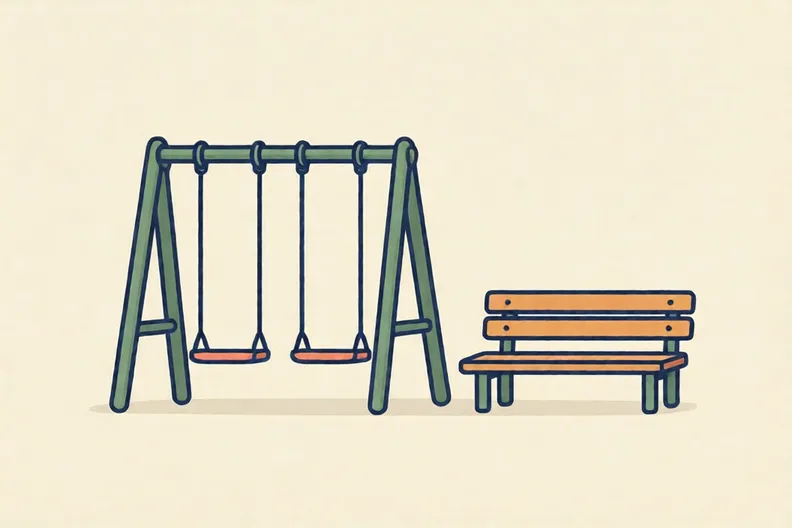
An empty school playground with a swing set and a wooden bench
Watch me
STOPTHINKACT

STOP: Ali takes a slow breath before saying anything.

THINK: Ali names the feeling, I feel cross, and thinks of options.

ACT: Ali says, Can we take turns, five minutes each?

Now you
  1. 1.

    Mia's brother has knocked over her model. Her feelings are stormy. What should she do first? Circle the best choice.

    Take a slow breathShout back at himThrow the model at him

C Your turn8 min

Read each card, then do the task.

  1. 1.

    Sort these responses into the two columns.

    Take a slow breathShout over themAsk, Can we talk calmly?Call them a nameCount to five before you speak
    Helps calm thingsMakes it worse
  2. 2.

    Join each situation to the feeling word that fits best.

    Someone pushes in front of youYour drawing is torn by accidentFriends laugh when you trip
    EmbarrassedCrossUpset
  3. 3.

    Mia's brother knocked over her tower. She feels very angry. What could she do? Circle one.

    Take a breath, then say how she feelsKick the tower againTell him he is useless
  4. 4.

    Number these steps 1 to 4 in the right order.

    1. Check together that both feel fair
    2. Take a slow breath first
    3. Suggest a fair way, such as taking turns
    4. Name the feeling and what you want

Say it out loud: Which step did you use first each time, and why do you think STOP always comes first?

D Spot the mistake3 min
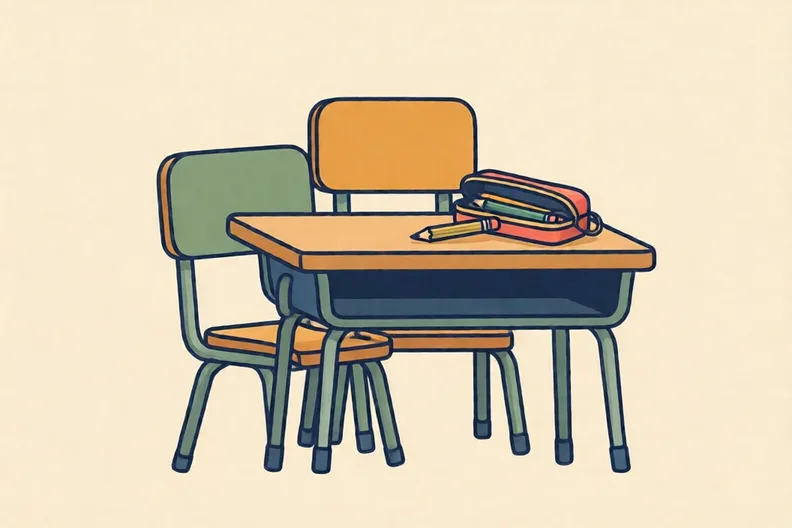
A classroom with chairs pushed back and a pencil case spilled on a desk
Ali says: “When I am really cross, I should shout the first thing in my head.”
  1. 1.

    What is wrong with Ali's idea? Write one reason.

E Think deeper4 min

A single blank sheet of paper beside a pencil on a plain background
  1. 1.

    Your younger sibling has used your last sheet of paper without asking. Write two different ACT responses. Say which one is less likely to make it worse, and why.

How did it feel?

I can do it Nearly Not yet
StudyDen · Year 3 · PSHE · Friendships and Feelings in Year 3Answers are on the grown-up page

For the grown-up

Practising STOP, THINK, ACT · 2 minutes to read

Answers, and what a wrong one tells you

A

1. Hold your child may have picked a word that is not a breathing step. Point to the cycle and say the steps in order, slowly.

2. Fast heartbeat and a dry mouth → Nervous; Huge smile and bouncy feet → Happy; Heavy eyes and yawning → Tired

3. Left out

B

1. Take a slow breath your child picked a fast reaction. Remind them STOP comes first, before any words or actions. Ask what a slow breath would give them time to do.

C

1. Makes it worse: Shout over them, Call them a name · Helps calm things: Take a slow breath, Count to five before you speak, Ask, Can we talk calmly? your child may have put shouting in the helpful column. Ask: does shouting make the other person calmer or angrier? Then sort again.

2. Someone pushes in front of you → Cross; Your drawing is torn by accident → Upset; Friends laugh when you trip → Embarrassed If your child swaps Cross and Upset, accept it if they can say why. Both feelings can fit these two moments.

3. Take a breath, then say how she feels your child chose a response that makes the row bigger. Ask: which choice would help her be heard without making him angry?

4. 1 Take a slow breath first · 2 Name the feeling and what you want · 3 Suggest a fair way, such as taking turns · 4 Check together that both feel fair

D

1. Look for: Shouting straight away makes things worse, so STOP and THINK should come first. your child may say telling people how you feel is good. That is true, but shouting first stops people hearing you. Ask: what could Ali say calmly instead?

E

1. Look for: Two different calm responses, such as asking them to ask first next time. A reason why one is less likely to make it worse.

Words to use

Say“Which step did you use first? What word would you use for the feeling?”
Instead of“Just calm down and stop being silly.”

After the sheet

At the kitchen table, sit on two chairs and act out a small disagreement, such as who gets the last crayon. Say STOP, THINK, ACT out loud, then swap roles.

Tick what your child got right in StudyDen. Anything missed comes back in a later Look back box, so there's no need to redo the sheet.

The rest of this unit

5 more sheets come with a StudyDen plan, in teaching order:

  1. Healthy friendships(with a plan)
  2. Families come in many shapes(with a plan)
  3. Online Friends and Feelings(with a plan)
  4. Is it really private?(with a plan)
  5. Conflict or Cyberbullying?(with a plan)

Every Year 3 PSHE worksheet

The worksheets plan opens a printable sheet for every lesson in Years 1 to 6, each with its answers on a separate page for you. It costs £6.99 a month or £59 a year for the whole family, with no free trial.

The full StudyDen plan adds the lessons themselves, marked as your child works, with the worksheets included. It is 7 days free, then £29.99 a month.

Both start with a free account; you choose the plan when you sign up.