← Year 3 PSHE worksheets

Year 3 PSHE: Summer 2 worksheet

“Where Our Chocolate Comes From” is free to print, with no account. It is the first sheet in the Year 3 PSHE unit “PSHE: Summer 2”, for children aged 7 to 8, and takes about 20 minutes.

Print it on A4. The child's pages come first; the answers, and what each wrong answer tells you, are on the grown-up page that follows. Weeks 31 to 36 of the year, 6 sheets in the unit.

Free sample · answers on the last page

Where Our Chocolate Comes From

Name: ____________ · Date: ____________
Year 3 · PSHE · about 20 minutes
Answers are on the grown-up page

Today I can explain how a supply chain works and what the Fairtrade Mark does.

A Look back3 min

  1. 1.

    Ali's team lost and he feels very cross. Circle the weather that matches how he feels.

    sunnycloudystormy
  2. 2.

    Look at Sam's tally of needs and wants. Is a warm winter coat a need or a want? Write your answer.

    NeedsWants
  3. 3.

    Money steps go: earn, then the empty box, then spend. Circle the word for the empty box.

    EarnSpend
    savelosegive

B Watch me, then you4 min

Ola's chocolate bar starts as a cocoa pod on a farm. Then it travels in steps until it reaches a shop.
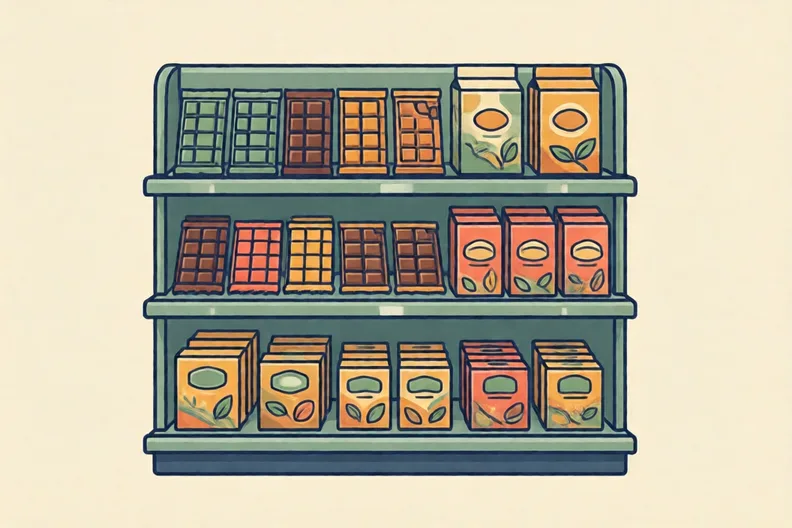
A tidy shop shelf with chocolate bars and boxes of tea
Watch me
FarmShipFactoryShop

The cocoa grows on a farm.

A ship carries the beans to another country.

A factory turns them into a bar.

The shop sells the bar to you.

The farmer does the growing but gets only a small part of the money.

Now you
  1. 1.

    Farm, ship, the empty box, shop. Circle the missing step.

    FarmShipShop
    FactoryGardenPlayground
  2. 2.

    The empty box, ship, factory, shop. Circle the first step.

    ShipFactoryShop
    FarmShopFactory

C Your turn6 min

Each chain is different. Circle or join the steps.

  1. 1.

    Farm, ship, factory, the empty box. Circle the last step.

    FarmShipFactory
    ShopKitchenPlayground
  2. 2.

    The empty box, packing, ship, shop. Circle the first step.

    PackingShipShop
    Tea farmShipShop
  3. 3.

    Banana farm, the empty box, port, warehouse, shop. Circle the missing step.

    Banana farmPortWarehouseShop
    ShipGardenTree
  4. 4.

    Join each step to what happens there.

    FarmShipFactoryShop
    FarmShipFactoryShop
    sells the bar to youmakes the bargrows the cocoacarries the beans

Say it out loud: What changed from one chain to the next: the product, the number of steps, or the step being asked about?

D Spot the mistake3 min
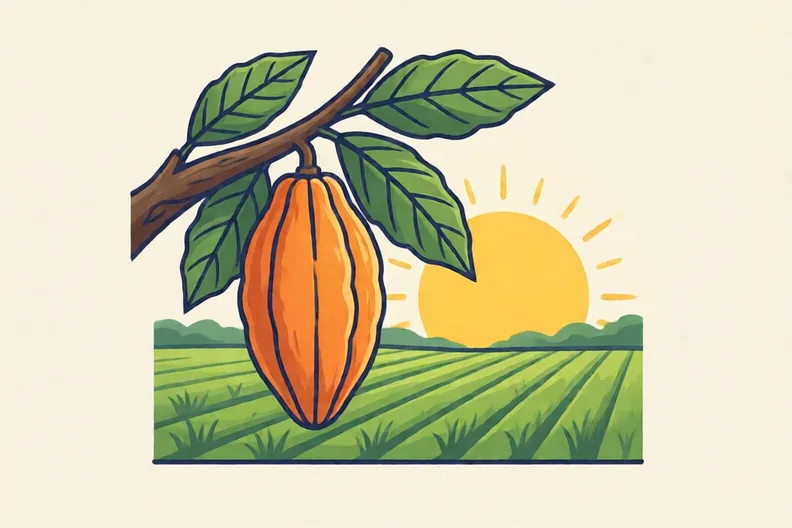
A ripe orange cocoa pod hangs from a tree under a bright sun on a green farm.
Kit says: “The farmer who grows the cocoa is paid most of the money we pay for a chocolate bar.”
  1. 1.

    Is Kit right? Write why.

E Think deeper3 min
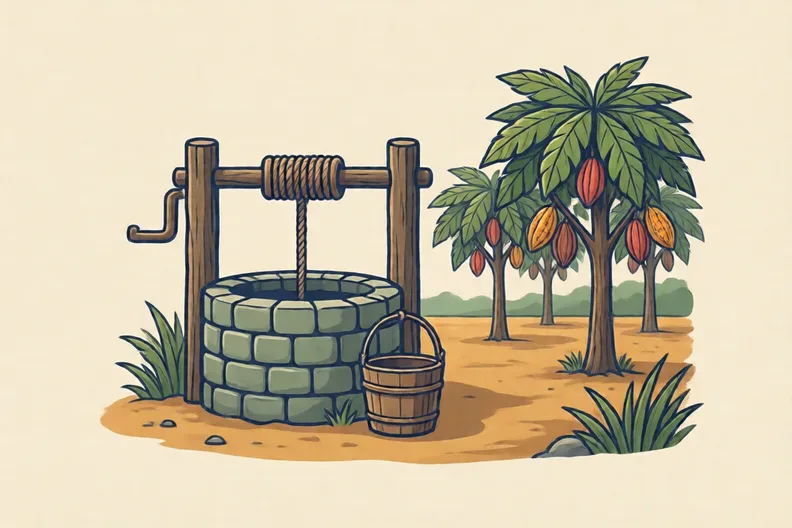
A village well with a bucket beside a dusty field of cocoa trees
  1. 1.

    Fairtrade farmers get a fair price, plus extra money to spend on their village. Write one thing the village could buy with the extra money, and say why it helps.

How did it feel?

I can do it Nearly Not yet
StudyDen · Year 3 · PSHE · Global Citizenship and Our ChoicesAnswers are on the grown-up page

For the grown-up

Where Our Chocolate Comes From · 2 minutes to read

Answers, and what a wrong one tells you

A

1. stormy Sunny means happy and cloudy means a bit low. Cross is a strong feeling, like a storm. Ask your child which feeling is strongest.

2. Look for: Says a warm winter coat is a need. A coat keeps your child warm and safe in winter, so it is a need. Ask: could you manage without it in the cold?

3. save Lose and give do not fit between earning and spending. Ask your child what a person does with money they keep for later.

B

1. Factory A garden does not make chocolate. Ask your child which place makes the bar before it reaches the shop.

2. Farm

C

1. Shop

2. Tea farm

3. Ship

4. Farm → grows the cocoa; Ship → carries the beans; Factory → makes the bar; Shop → sells the bar to you

D

1. Look for: Says Kit is wrong, because the cocoa farmer gets only a small part of the money from each bar. Kit thinks the farm keeps most of the money. Trace the chain with your child. The shop, the factory and others each take a share, so the farmer gets a small part.

E

1. Look for: Names one sensible use, such as a school, clean water or equipment, and gives a reason it helps.

Words to use

Say“Trace the bar's journey with your finger. Who is at the very start, and who gets only a small part of the money?”
Instead of“That is easy, you should already know this.”

After the sheet

Look at two food packets at home together and find any Fairtrade Mark. Talk about who might have grown the food and how far it travelled.

Tick what your child got right in StudyDen. Anything missed comes back in a later Look back box, so there's no need to redo the sheet.

The rest of this unit

5 more sheets come with a StudyDen plan, in teaching order:

  1. Who Makes the Laws?(with a plan)
  2. Rights and responsibilities(with a plan)
  3. Goals That Stick(with a plan)
  4. Moving on to Year 4(with a plan)
  5. Looking back at Year 3(with a plan)

Every Year 3 PSHE worksheet

The worksheets plan opens a printable sheet for every lesson in Years 1 to 6, each with its answers on a separate page for you. It costs £6.99 a month or £59 a year for the whole family, with no free trial.

The full StudyDen plan adds the lessons themselves, marked as your child works, with the worksheets included. It is 7 days free, then £29.99 a month.

Both start with a free account; you choose the plan when you sign up.