← Year 4 geography worksheets

Year 4 Local area: what needs changing? worksheet

“Is the Evidence Still True?” is free to print, with no account. It is the first sheet in the Year 4 geography unit “Local area: what needs changing?”, for children aged 8 to 9, and takes about 22 minutes.

Print it on A4. The child's pages come first; the answers, and what each wrong answer tells you, are on the grown-up page that follows. Weeks 30 to 36 of the year, 7 sheets in the unit.

Free sample · answers on the last page

Is the Evidence Still True?

Name: ____________ · Date: ____________
Year 4 · Geography · about 22 minutes
Answers are on the grown-up page

Today I can check whether a piece of evidence is still accurate today.

A Look back3 min

  1. 1.

    Which direction is halfway between north and east?

    NESESSWWNW
    north-eastsouth-eastnorth-westsouth-west
  2. 2.

    The castle is in which square? Use the letter along the bottom, then the number up the side.

    ABCD1234N
    C22CB1
  3. 3.

    Which day had the most rain in this made-up week?

    Rain in a made-up week012345678910MonTueWed
    MonTueWed

B Watch me, then you4 min

In a made-up town called Harbour End, a shop map from 1990 is compared with a shop count from 2020.

Watch me
1990199520002005201020152020Shop mapShop count

The shop map is from 1990.

The shop count is from 2020.

The newer count is more likely to match today's shops.

Now you
  1. 1.

    A made-up town has a bus guide printed in 1995. What is the best thing to do before trusting its bus times? Circle one.

    1990199520002005201020152020Bus guide printed
    Trust it, because it is printedCheck a newer timetable firstAsk for a map from 1995

C Your turn7 min

Read each clue. Pick or sort the evidence that will tell you most about today.
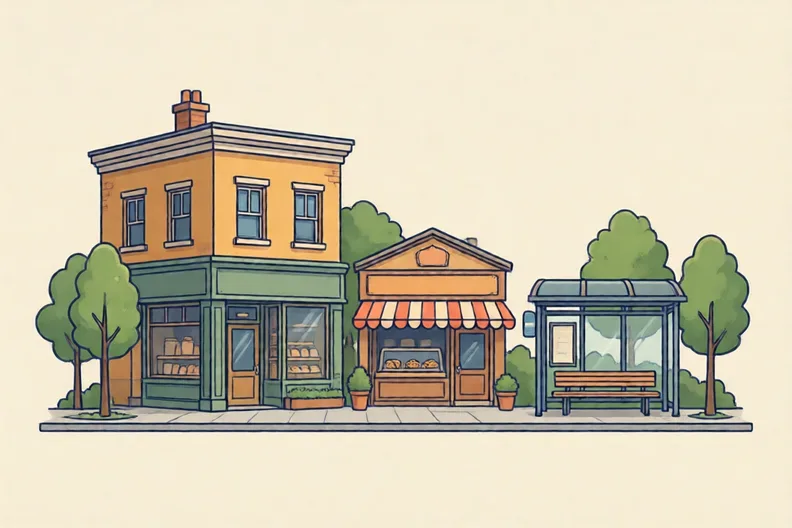
A quiet high street with a corner shop and a bus stop
  1. 1.

    Three pieces of evidence about a park: a map from 1952, a photo from 1988 and a news story from 2024. Which is most likely to show the park as it is now? Circle one.

    Map from 1952Photo from 1988News story from 2024
  2. 2.

    The same three pieces of evidence about the park: a map from 1952, a photo from 1988 and a news story from 2024. Which is least likely to show the park as it is now? Circle one.

    Map from 1952Photo from 1988News story from 2024
  3. 3.

    Join each source to the words that describe it best.

    Historical mapOS mapLocal news storyFieldwork walk
    Shows what is there todayShows issues people talk about nowShows the pastUpdated regularly
  4. 4.

    Sort these pieces of evidence. Which can you use as they are, and which need checking first? Write each one in the right column.

    195019601970198019902000201020202030Map printed 1960Photo taken 1990News story 2008OS map updated 2025
    OS map updated 2025Map printed 1960News story from 2008Photo taken 1990
    Probably still trueCheck it first

Say it out loud: What date does each piece of evidence have? Is it old enough that it might not match the place now?

D Spot the mistake3 min
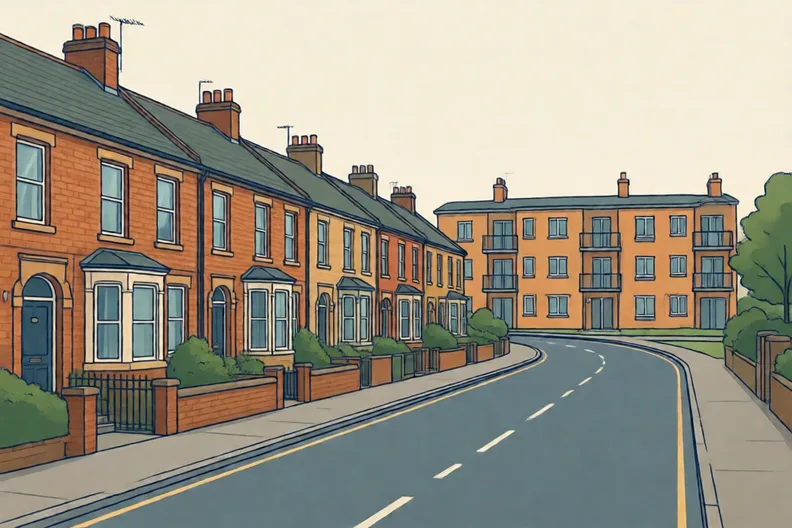
A quiet town street with older houses and a new block of flats at the far end
Kit says: “This map was printed in 1985, so it shows every road in the town today.”
  1. 1.

    Is Kit right? Explain why in one or two sentences.

E Think deeper4 min
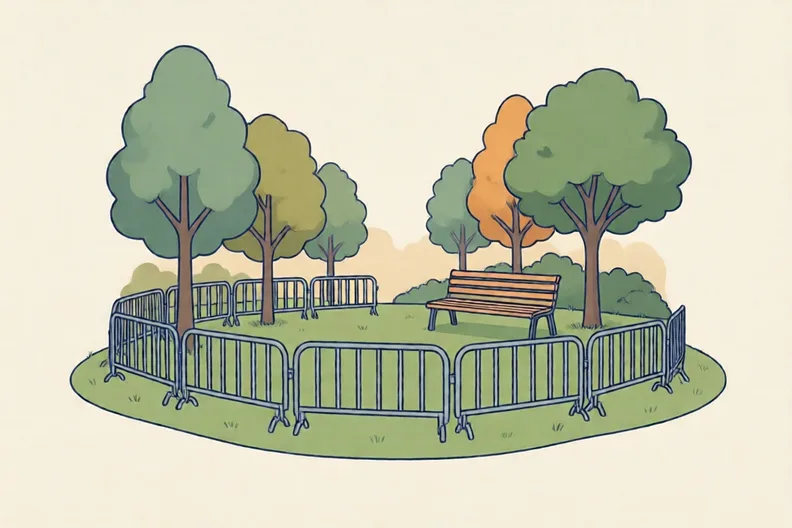
A local park with a fenced-off patch of grass and a bench
  1. 1.

    Ali reads a news story from 2019 that says the park is closed. Name two ways Ali could check if this is still true today.

How did it feel?

I can do it Nearly Not yet
StudyDen · Year 4 · Geography · Local area: what needs changing?Answers are on the grown-up page

For the grown-up

Is the Evidence Still True? · 2 minutes to read

Answers, and what a wrong one tells you

A

1. north-east

2. C2 your child circled 2C, which puts the number first. Remind them to go along the bottom first, then up the side.

3. Tue

B

1. Check a newer timetable first your child trusted the old guide. Ask: when was it printed, and could the buses have changed since then?

C

1. News story from 2024 your child chose the oldest evidence. Ask: which one was made closest to today?

2. Map from 1952 your child chose the newest evidence. Ask: which one was made the longest time ago?

3. Historical map → Shows the past; OS map → Updated regularly; Local news story → Shows issues people talk about now; Fieldwork walk → Shows what is there today your child joined the OS map to the past. Ask: which map is kept up to date, and which one only shows an old moment?

4. Check it first: Map printed 1960, News story from 2008, Photo taken 1990 · Probably still true: OS map updated 2025 your child trusted the oldest map. Ask: how old is this evidence, and what could have changed since it was made?

D

1. Look for: Says Kit is wrong because the map is old, so roads or buildings built since 1985 will not show. your child trusted the old map. Ask: when was this map made, and what could have been built since?

E

1. Look for: Two sensible checks, such as a newer news story, visiting the park, asking local people, or looking at a recent map.

Words to use

Say“How old is this evidence, and does it still match the place today?”
Instead of“That's what the book says, so it must be right.”

After the sheet

Find an old family photo of your street, or a dated postcard if you have one. Compare it with the view from the window now and write down two things that look different.

Tick what your child got right in StudyDen. Anything missed comes back in a later Look back box, so there's no need to redo the sheet.

The rest of this unit

6 more sheets come with a StudyDen plan, in teaching order:

  1. Choosing fieldwork tools(with a plan)
  2. Spotting hazards on a walk(with a plan)
  3. Fieldwork: Counting Outside(with a plan)
  4. Showing What Our Data Says(with a plan)
  5. Making Our Fieldwork Matter(with a plan)
  6. Maps Through Time(with a plan)

Every Year 4 geography worksheet

The worksheets plan opens a printable sheet for every lesson in Years 1 to 6, each with its answers on a separate page for you. It costs £6.99 a month or £59 a year for the whole family, with no free trial.

The full StudyDen plan adds the lessons themselves, marked as your child works, with the worksheets included. It is 7 days free, then £29.99 a month.

Both start with a free account; you choose the plan when you sign up.