← Year 5 geography worksheets

Year 5 Fieldwork: how can we investigate the sustainability of our school? worksheet

“Planning our fieldwork” is free to print, with no account. It is the first sheet in the Year 5 geography unit “Fieldwork: how can we investigate the sustainability of our school?”, for children aged 9 to 10, and takes about 20 minutes.

Print it on A4. The child's pages come first; the answers, and what each wrong answer tells you, are on the grown-up page that follows. Weeks 31 to 36 of the year, 6 sheets in the unit.

Free sample · answers on the last page

Planning our fieldwork

Name: ____________ · Date: ____________
Year 5 · Geography · about 20 minutes
Answers are on the grown-up page

Today I can plan a fieldwork enquiry by putting the enquiry cycle in order.

A Look back3 min

  1. 1.

    Which square is the school in? Choose the reference.

    ABCD1234S~N
    A1D1B3C4
  2. 2.

    Which direction does the blank arrow point?

    NESESSWWNW
    North-eastSouth-westNorth-westSouth-east
  3. 3.

    Which month had the most rain?

    Rain in our town (mm)010203040506070JanFebMar
    JanFebMar

B Watch me, then you4 min

Ola is planning a survey of sunny and shady spots in the playground. Which stages of the enquiry cycle come first?

Watch me
Ask aquestionCollect dataPresent dataReflect onfindingsCommunicatefindingsEvaluatefieldwork

First, Ola asks a question, such as where the playground is shadiest.

Next, she collects data by marking each spot as sunny or shady.

Then she presents her data on a map of the playground, shading the shady spots.

Now you
  1. 1.

    Ben has marked every sunny and shady spot, so he has collected his data. Which stage comes next?

    Ask aquestionCollect dataReflect onfindingsCommunicatefindingsEvaluatefieldwork

C Your turn6 min

Each cycle has one missing stage. Read the stages around it, then choose the missing one.

  1. 1.

    Which stage is missing from the cycle?

    Ask aquestionPresent dataReflect onfindingsCommunicatefindingsEvaluatefieldwork
    Collect dataPresent dataEvaluate fieldworkAsk a question
  2. 2.

    Which stage is missing from the cycle now?

    Ask aquestionCollect dataPresent dataCommunicatefindingsEvaluatefieldwork
    Reflect on findingsCommunicate findingsPresent dataCollect data
  3. 3.

    Which stage is missing from the cycle now?

    Ask aquestionCollect dataPresent dataReflect onfindingsCommunicatefindings
    Evaluate fieldworkAsk a questionCommunicate findingsReflect on findings
  4. 4.

    Write 1, 2 and 3 next to these stages to show their order in the cycle.

    Reflect onfindingsCommunicatefindingsEvaluatefieldwork
    1. Present data
    2. Ask a question
    3. Collect data

Say it out loud: Which stage always comes straight after collecting data, and why does it come there?

D Spot the mistake3 min
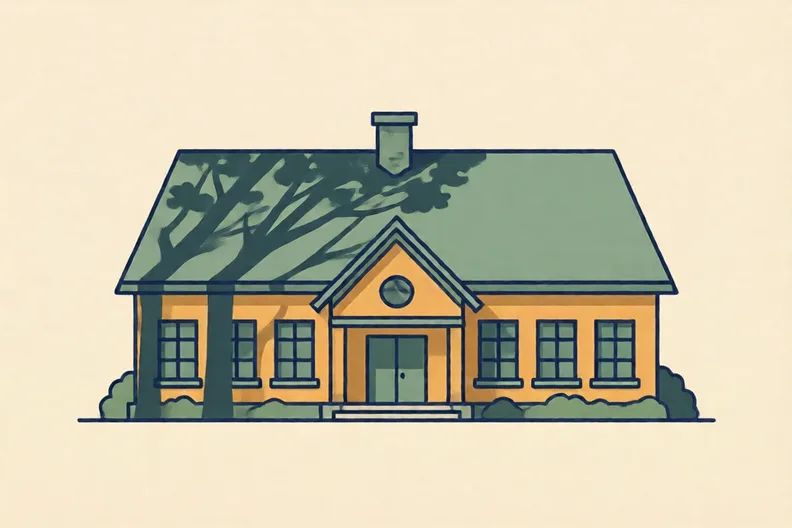
A school building with a sloping roof and a dark band of shade cast by trees in the afternoon
Kit says: “Solar panels stop working in shade, so our shady school roof can never have them.”
  1. 1.

    What is wrong with Kit's claim? Write one sentence.

E Think deeper4 min

  1. 1.

    Which square would you test first to see whether the school roof gets shade? Explain how you could check.

    ABCDE1234SN

How did it feel?

I can do it Nearly Not yet
StudyDen · Year 5 · Geography · Fieldwork: how can we investigate the sustainability of our school?Answers are on the grown-up page

For the grown-up

Planning our fieldwork · 2 minutes to read

Answers, and what a wrong one tells you

A

1. D1 If your child picks another square, remind them to go along the bottom letters first, then up the side numbers.

2. North-east

3. Jan If your child picks Mar, they may have read the shortest bar. Ask which bar reaches highest up the chart.

B

1. Look for: Present data, or showing the data in a chart, table or map. If your child writes Ask a question, they have gone back to the start. Ask: what does Ben do with his marks once he has them?

C

1. Collect data If your child picks Present data, they have skipped a stage. Ask: what must you have before you can present anything?

2. Reflect on findings

3. Evaluate fieldwork

4. 1 Ask a question · 2 Collect data · 3 Present data If your child puts Collect data first, ask what they must do before they go outside to gather evidence.

D

1. Look for: Panels still make some electricity in shade, just less efficiently, so shade does not stop them completely. If your child agrees with Kit, they hold the known misconception. Ask: what does a solar panel still do on a cloudy day?

E

1. Look for: Names a square near the school building and says how to measure sun and shade at different times of day before deciding.

Words to use

Say“Which stage of the cycle comes first, and what would you do there?”
Instead of“Tell them whether the shade idea is right or wrong before they have worked it out.”

After the sheet

Pick a sunny spot and a shady spot at home. Check them together in the morning, at lunchtime and after school, noting sun or shade each time. Ask which stage of the enquiry cycle you have just done.

Tick what your child got right in StudyDen. Anything missed comes back in a later Look back box, so there's no need to redo the sheet.

The rest of this unit

5 more sheets come with a StudyDen plan, in teaching order:

  1. Questions we can test(with a plan)
  2. Collecting fair data(with a plan)
  3. Showing our data(with a plan)
  4. Reading behind the totals(with a plan)
  5. Reflecting on our enquiry(with a plan)

Every Year 5 geography worksheet

The worksheets plan opens a printable sheet for every lesson in Years 1 to 6, each with its answers on a separate page for you. It costs £6.99 a month or £59 a year for the whole family, with no free trial.

The full StudyDen plan adds the lessons themselves, marked as your child works, with the worksheets included. It is 7 days free, then £29.99 a month.

Both start with a free account; you choose the plan when you sign up.