← Year 5 geography worksheets

Year 5 Local and global: why are trees and forests important? worksheet

“The Benefits of Trees” is free to print, with no account. It is the first sheet in the Year 5 geography unit “Local and global: why are trees and forests important?”, for children aged 9 to 10, and takes about 20 minutes.

Print it on A4. The child's pages come first; the answers, and what each wrong answer tells you, are on the grown-up page that follows. Weeks 1 to 4 of the year, 7 sheets in the unit.

Free sample · answers on the last page

The Benefits of Trees

Name: ____________ · Date: ____________
Year 5 · Geography · about 20 minutes
Answers are on the grown-up page

Today I can tell broadleaf trees from conifers, read a grid and say how trees help people and the planet.

A Look back3 min

  1. 1.

    Which compass point is halfway between south and west?

    NNEESESWNW
    NESESWNW
  2. 2.

    Circle the grid reference of the pond. Read along the bottom first, then up the side.

    ABCD1234~N
    C2B3C3A2
  3. 3.

    This made-up tally shows trees counted in a park. Which tree was counted most?

    OakAshBirch
    OakAshBirch

B Watch me, then you4 min

Ali counts the trees on four made-up streets and draws a bar chart. Read it, then try the question.

Watch me
Trees on four made-up streets010203040Elm RoadOak LaneBirch CloseAsh Row

Read each bar up to its top.

Oak Lane's bar is the tallest, so it has the most trees.

More trees give more shade, so Oak Lane should be the shadiest street on a hot day.

Now you
  1. 1.

    Which road has the fewest trees, so the least shade on a hot day? Circle it.

    Trees on three made-up roads05101520253035Beech RoadPine WayHolly Court
    Beech RoadPine WayHolly Court

C Your turn7 min

Use the clue chain to help you sort the trees. Each row is a little harder than the one before.

Look at the leafNeedles or broad?Kept in winter?
  1. 1.

    Join each leaf description to its leaf type.

    one whole leaf, not dividedleaflets in pairs along a stalkleaflets spreading out like fingers
    compound palmatesimplecompound pinnate
  2. 2.

    Holly keeps its leaves all through the winter. Circle the word for a tree like this.

    deciduousconiferevergreen
  3. 3.

    Sort these trees into the two groups.

    OakScots pineBirchYew
    BroadleafConifer
  4. 4.

    Join each thing a tree does to the help it gives.

    stores carbon for centuriescatches rain on its leavesshades the ground in a heatwave
    keeps streets coolerhelps with climate changehelps reduce flooding

Say it out loud: Which clue helped you most: the leaf shape, needles, or whether the tree keeps its leaves? Why?

D Spot the mistake3 min
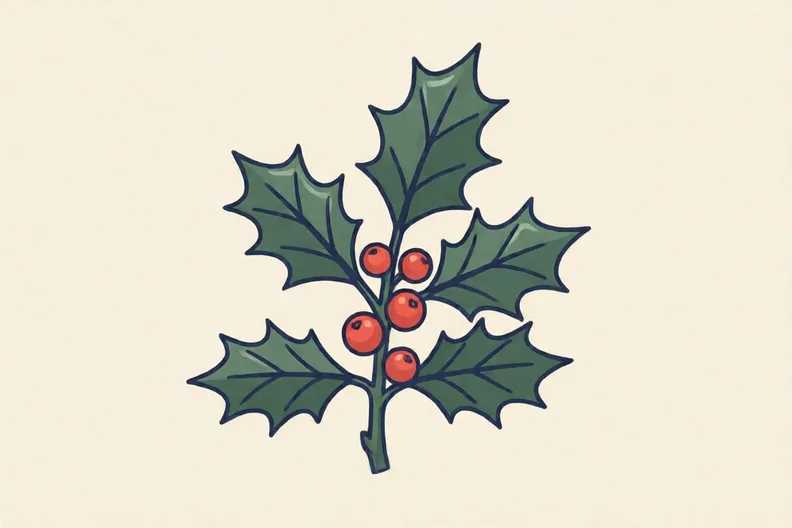
A holly bush with dark green shiny spiky leaves and red berries
Kit says: “Holly is a broadleaf tree, so all its leaves fall off in autumn.”
  1. 1.

    Is Kit right? Write one sentence to explain.

E Think deeper4 min
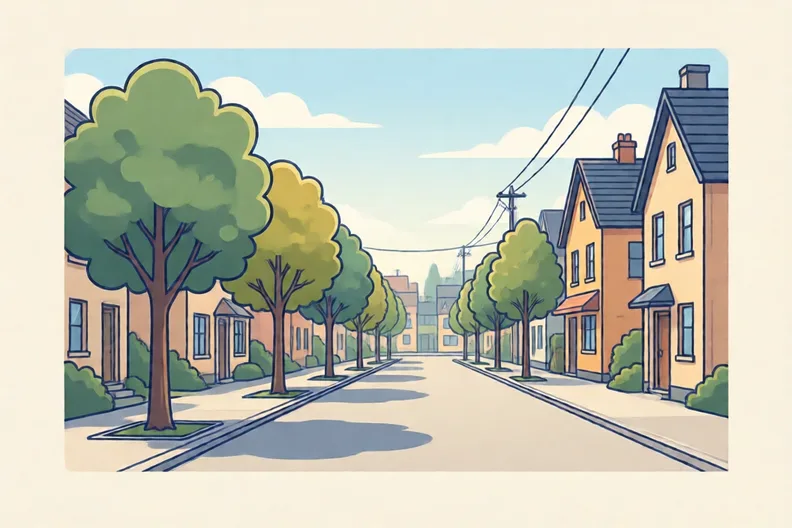
A quiet town street with young trees along the pavement and no people
  1. 1.

    Name two ways the trees on this street help the people who live here. Explain how one of them works.

How did it feel?

I can do it Nearly Not yet
StudyDen · Year 5 · Geography · Local and global: why are trees and forests important?Answers are on the grown-up page

For the grown-up

The Benefits of Trees · 2 minutes to read

Answers, and what a wrong one tells you

A

1. SW If they pick SE, they have mixed up east and west. Turn the compass so south is at the bottom and west is on the left, then look again.

2. C2 If they pick a different square, they may have gone up the side before along the bottom. Ask them to put a finger on the letter at the bottom first.

3. Ash If they pick Oak, they may have stopped at the first row they looked at. Ask them to count the marks in every row before they answer.

B

1. Pine Way If they pick Holly Court, they found the tallest bar. Ask them to find the shortest bar instead.

C

1. one whole leaf, not divided → simple; leaflets in pairs along a stalk → compound pinnate; leaflets spreading out like fingers → compound palmate

2. evergreen

3. Conifer: Scots pine, Yew · Broadleaf: Oak, Birch

4. stores carbon for centuries → helps with climate change; catches rain on its leaves → helps reduce flooding; shades the ground in a heatwave → keeps streets cooler

D

1. Look for: Says no, and gives the reason that holly is evergreen or that broadleaf only describes the leaf shape. If they say yes, they think broadleaf means the tree loses its leaves. Show them the holly picture and ask what stays green all winter.

E

1. Look for: Names two benefits from the lesson, such as shade and cooler air, less flooding, cleaner air or wildlife, and explains how one works.

Words to use

Say“Which clue did you use first: the leaf shape, the needles, or whether the tree keeps its leaves? What did that clue tell you?”
Instead of“Just tell them the tree's name, or say that holly is a broadleaf so it must lose its leaves.”

After the sheet

On a walk, pick one leaf from a tree in a park or garden. Decide whether it is whole, has leaflets in pairs, or has leaflets like fingers. Then ask: does this tree keep its leaves in winter?

Tick what your child got right in StudyDen. Anything missed comes back in a later Look back box, so there's no need to redo the sheet.

The rest of this unit

6 more sheets come with a StudyDen plan, in teaching order:

  1. Woodland detectives(with a plan)
  2. Woodland changes on maps(with a plan)
  3. Where the world's forests grow(with a plan)
  4. Forests That Change(with a plan)
  5. Choosing a tree site(with a plan)
  6. Describe or explain?(with a plan)

Every Year 5 geography worksheet

The worksheets plan opens a printable sheet for every lesson in Years 1 to 6, each with its answers on a separate page for you. It costs £6.99 a month or £59 a year for the whole family, with no free trial.

The full StudyDen plan adds the lessons themselves, marked as your child works, with the worksheets included. It is 7 days free, then £29.99 a month.

Both start with a free account; you choose the plan when you sign up.