← Year 1 science worksheets

Year 1 Identifying plants and their basic parts worksheet

“Plants all around us” is free to print, with no account. It is the first sheet in the Year 1 science unit “Identifying plants and their basic parts”, for children aged 5 to 6, and takes about 20 minutes.

Print it on A4. The child's pages come first; the answers, and what each wrong answer tells you, are on the grown-up page that follows. Weeks 16 to 22 of the year, 7 sheets in the unit.

Free sample · answers on the last page

Plants all around us

Name: ____________ · Date: ____________
Year 1 · Science · about 20 minutes
Answers are on the grown-up page

Today I can tell plants from things that are not plants by looking closely.

A Look back3 min

  1. 1.

    Circle the colour that most leaves are in summer.

    greenpinkblack
    greenpinkblack
  2. 2.

    Circle the bigger number: 9 or 5.

    95
    95
  3. 3.

    Circle the season that comes after spring.

    springautumnwinter
    summerwinterautumn

B Watch me, then you4 min

Ola looks at 5 things by the school gate. She sorts them into plants and not plants.
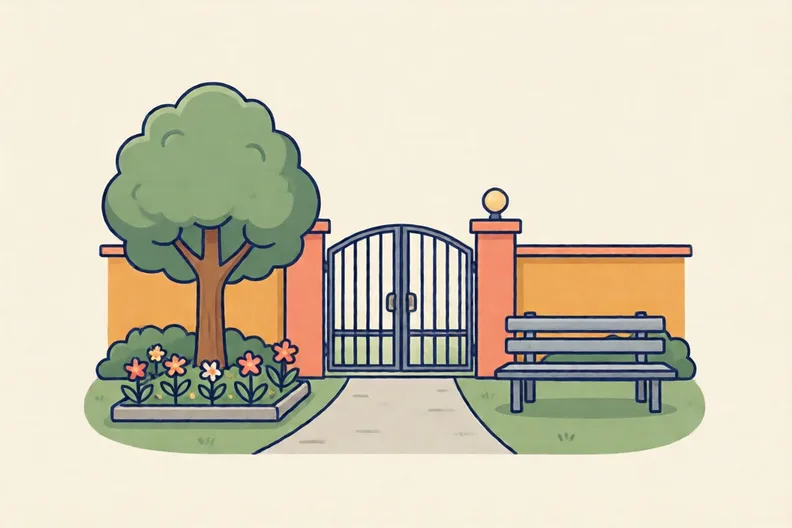
A school gate with a small tree, a flower bed and a bench
Watch me
PlantsNot plants

Ola looks at each thing for leaves, stems or flowers.

The tree, the daisy and the grass have them, so they are plants.

The bench and the path do not, so they are not plants.

Now you
  1. 1.

    Put each card in the right column: oak, rose, house, bench.

    PlantNot a plant
    oakrosehousebench
    PlantNot a plant

C Your turn7 min

Look closely at each thing before you decide.
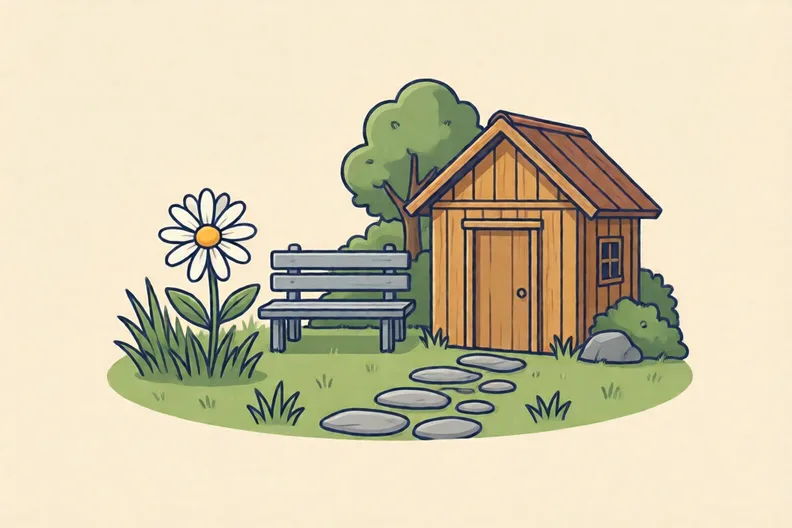
A small garden with a daisy, a bench, a shed and a path
  1. 1.

    Look at the map. Circle the thing that is a plant.

    123123N
    treehillshop
  2. 2.

    Put each card in the right column: oak tree, garden chair, grass, shed.

    oak treegarden chairgrassshed
    PlantNot a plant
  3. 3.

    Join each plant part to the words about it.

    stemleavesflower
    green and flatholds the plant upcolourful, often has petals
  4. 4.

    Go outside or look out of a window. Find one plant. Write its colour and one part you can see.

Say it out loud: What did you look for each time, leaves, stems or flowers? Why did that help?

D Spot the mistake3 min
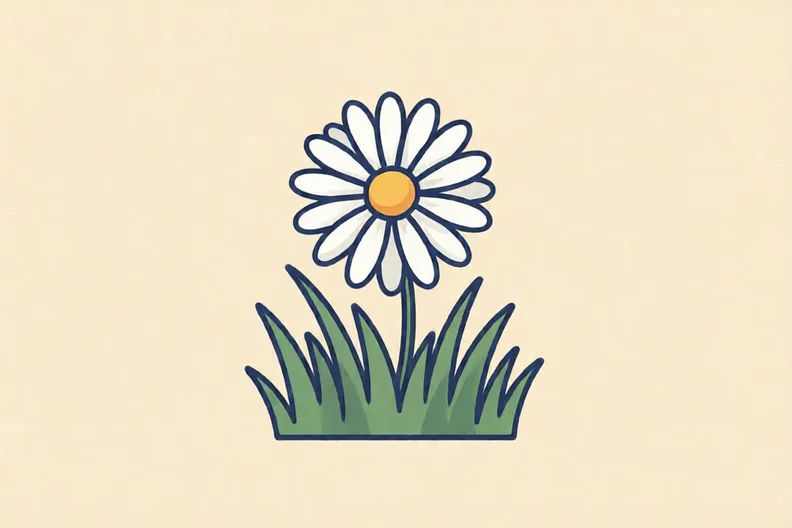
A small white daisy growing in green grass
Mia says: “A plant must be taller than a grown-up.”
  1. 1.

    Is Mia right? Say why in your own words.

E Think deeper3 min
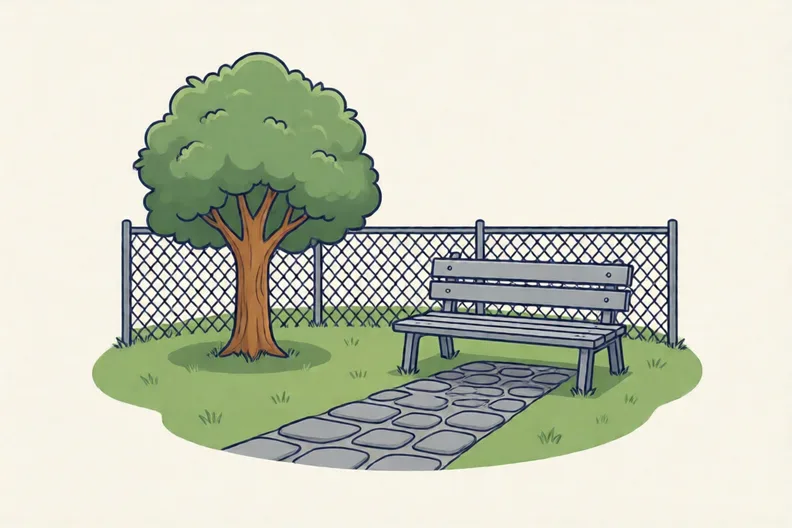
Grass, a small tree, a bench and a stone path by a playground fence.
  1. 1.

    Make a list: 3 plants you have seen and 2 things that are not plants. Say how you know.

How did it feel?

I can do it Nearly Not yet
StudyDen · Year 1 · Science · Identifying plants and their basic partsAnswers are on the grown-up page

For the grown-up

Plants all around us · 2 minutes to read

Answers, and what a wrong one tells you

A

1. green

2. 9

3. summer

B

1. Plant: oak, rose · Not a plant: house, bench They put the house with the plants. Ask: does a house have leaves, a stem or a flower? Then look at the oak again.

C

1. tree They circled the shop or the hill. Ask: which of these grows, and has leaves or a trunk?

2. Plant: oak tree, grass · Not a plant: garden chair, shed They put the shed with the plants. Ask: can you see any leaves, stems or flowers on a shed?

3. stem → holds the plant up; leaves → green and flat; flower → colourful, often has petals They joined the stem to green and flat. Ask: which part of the daisy holds the flower up?

4. Look for: A plant with its colour and at least one part such as leaves, a stem or a flower.

D

1. Look for: Says no, and gives a small plant such as a daisy or grass as the reason. They agreed with Mia, so they think plants must be big. Point to the daisy and ask: does it have leaves, a stem and a flower?

E

1. Look for: Three plants that have leaves, stems or flowers, and two non-plants with a reason such as no leaves or flowers.

Words to use

Say“What do you notice when you look really closely at that plant?”
Instead of“Yes, that is a plant. Now let's do the next thing.”

After the sheet

Go on a two-minute plant hunt at the door or a window. Find three plants and ask what colour, leaves and flowers they have. Make a tally on scrap paper.

Tick what your child got right in StudyDen. Anything missed comes back in a later Look back box, so there's no need to redo the sheet.

The rest of this unit

6 more sheets come with a StudyDen plan, in teaching order:

  1. Parts of a tree(with a plan)
  2. Naming Trees by Leaves(with a plan)
  3. Evergreen or deciduous?(with a plan)
  4. Parts of a Plant(with a plan)
  5. Flowers All Around Us(with a plan)
  6. Wildflowers Growing Wild(with a plan)

Every Year 1 science worksheet

The worksheets plan opens a printable sheet for every lesson in Years 1 to 6, each with its answers on a separate page for you. It costs £6.99 a month or £59 a year for the whole family, with no free trial.

The full StudyDen plan adds the lessons themselves, marked as your child works, with the worksheets included. It is 7 days free, then £29.99 a month.

Both start with a free account; you choose the plan when you sign up.