← Year 1 science worksheets

Year 1 Naming and grouping animals worksheet

“Pets and wild animals” is free to print, with no account. It is the first sheet in the Year 1 science unit “Naming and grouping animals”, for children aged 5 to 6, and takes about 23 minutes.

Print it on A4. The child's pages come first; the answers, and what each wrong answer tells you, are on the grown-up page that follows. Weeks 1 to 4 of the year, 6 sheets in the unit.

Free sample · answers on the last page

Pets and wild animals

Name: ____________ · Date: ____________
Year 1 · Science · about 23 minutes
Answers are on the grown-up page

Today I can tell pets from wild animals and explain why.

A Look back3 min

  1. 1.

    Count the dots. How many are there?

  2. 2.

    Write < or > in the box: 4 9

    49
  3. 3.

    What is 1 more than 8?

B Watch me, then you4 min

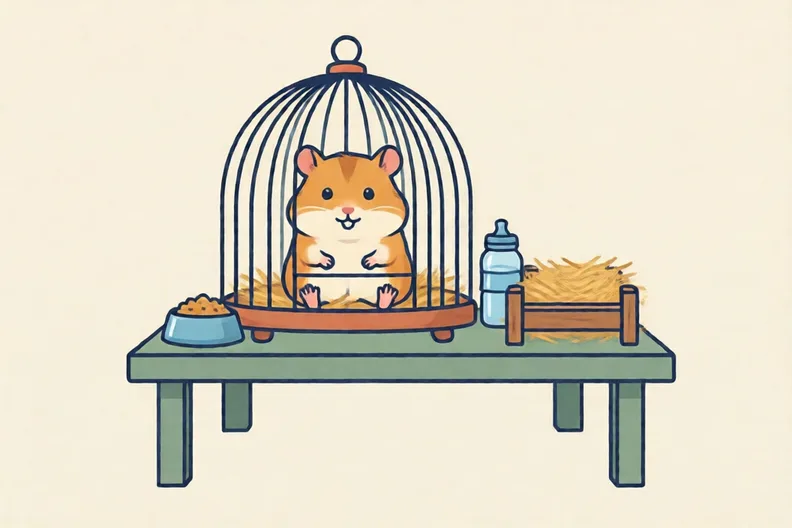
Mia finds a hamster in her animal book. Is it a pet or a wild animal?
Watch me
A hamster in a cage with a food bowl, a water bottle and straw

A hamster lives in a cage in a home.

Someone gives it food, water and a bed.

So a hamster is a pet.

Now you
  1. 1.

    Mia puts her hamster in the Pets bar. Next she finds a fox. Which bar does the fox go in?

    Animals in Mia's book012PetsWild animals

C Your turn8 min

Think about pets and wild animals. Answer each question.
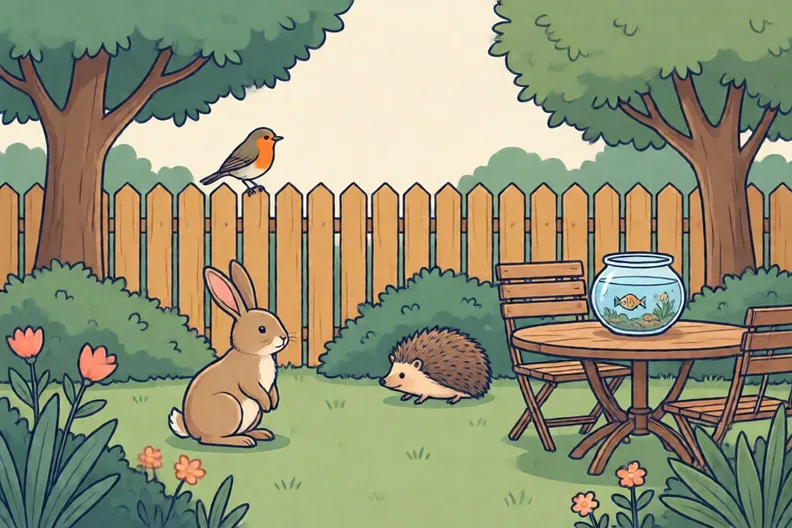
A back garden with a rabbit on the grass, a robin on a fence and a hedgehog under a bush
  1. 1.

    Which of these do lots of families keep at home as a pet? Circle it.

    HamsterFoxOwlHedgehog
  2. 2.

    Which of these is a wild animal? Circle it.

    GoldfishBadgerGuinea pig
  3. 3.

    Think about animals in Britain. Put each animal in the right column.

    HamsterFoxRabbitRobin
    PetWild animalBoth
  4. 4.

    A robin visits a garden every day. Is it a pet? Write why.

Say it out loud: Which of these animals can live as a pet, and which can live free? Can any do both?

D Spot the mistake3 min
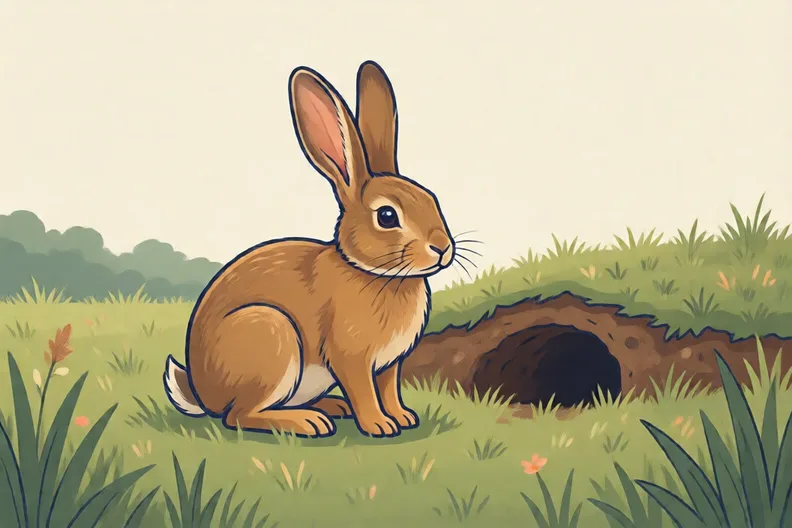
A wild rabbit sitting in a grassy field near a burrow
Kit says: “Rabbits can never be wild animals, only pets.”
  1. 1.

    Is Kit right? Explain why.

E Think deeper4 min

Look at the budgies. Some live in a cage and some fly free.
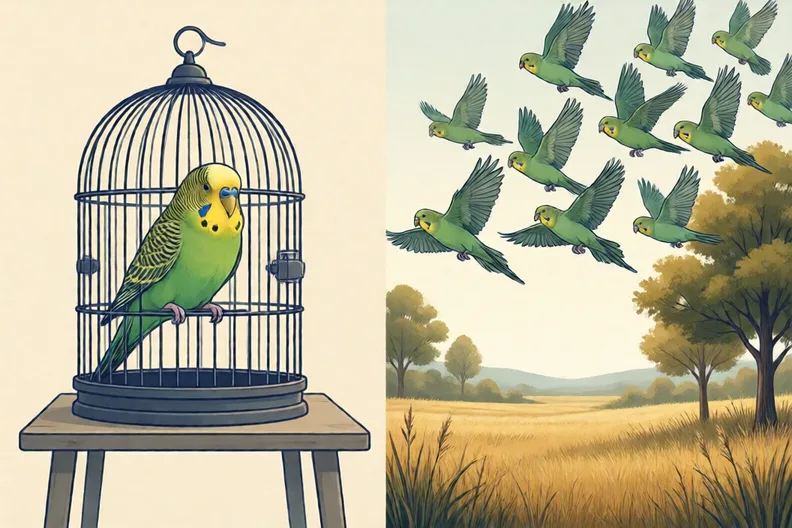
A budgie in a cage on a table, and a flock of wild budgies flying over dry grass
  1. 1.

    Write two animals that can be kept at home and also live free. Explain how you know to your grown-up.

How did it feel?

I can do it Nearly Not yet
StudyDen · Year 1 · Science · Naming and grouping animalsAnswers are on the grown-up page

For the grown-up

Pets and wild animals · 2 minutes to read

Answers, and what a wrong one tells you

A

1. 6

2. <

3. 9

B

1. Look for: Wild animals, because a fox lives free and finds its own food. If your child writes Pets, ask: does anyone give a fox food, water and a home?

C

1. Hamster If your child circles the fox, owl or hedgehog, ask: does this animal find its own food outdoors?

2. Badger If your child circles the goldfish, they are thinking of a pet. Ask: who gives it food, water and a home?

3. Pet: Hamster · Both: Rabbit · Wild animal: Fox, Robin If your child puts the rabbit only under Pet, ask: can a rabbit live free in a field too?

4. Look for: No, the robin is wild because it finds its own food and lives freely, even though it visits often.

D

1. Look for: Says Kit is wrong because rabbits can live freely in the wild as well as being kept as pets. If your child says Kit is right, they have only thought about rabbits as pets. Ask: can a rabbit live in a field with no people?

E

1. Look for: Two animals, such as rabbit, parrot or budgie, with a reason that they can live both as pets and in the wild.

Words to use

Say“How do you know whether this animal is a pet or a wild animal?”
Instead of“Tell them the answer straight away.”

After the sheet

Hunt round the house for three animal pictures in books or on food packets. Sort them into pets and wild animals together. Talk about any you are unsure of.

Tick what your child got right in StudyDen. Anything missed comes back in a later Look back box, so there's no need to redo the sheet.

The rest of this unit

5 more sheets come with a StudyDen plan, in teaching order:

  1. Mammal or not?(with a plan)
  2. Sorting birds and reptiles(with a plan)
  3. Fish and amphibian friends(with a plan)
  4. Animal body parts(with a plan)
  5. Animals and their food(with a plan)

Every Year 1 science worksheet

The worksheets plan opens a printable sheet for every lesson in Years 1 to 6, each with its answers on a separate page for you. It costs £6.99 a month or £59 a year for the whole family, with no free trial.

The full StudyDen plan adds the lessons themselves, marked as your child works, with the worksheets included. It is 7 days free, then £29.99 a month.

Both start with a free account; you choose the plan when you sign up.