← Year 1 science worksheets

Year 1 Seasonal changes: spring and summer worksheet

“Signs of spring” is free to print, with no account. It is the first sheet in the Year 1 science unit “Seasonal changes: spring and summer”, for children aged 5 to 6, and takes about 20 minutes.

Print it on A4. The child's pages come first; the answers, and what each wrong answer tells you, are on the grown-up page that follows. Weeks 23 to 27 of the year, 5 sheets in the unit.

Free sample · answers on the last page

Signs of spring

Name: ____________ · Date: ____________
Year 1 · Science · about 20 minutes
Answers are on the grown-up page

Today I can notice signs of spring with my eyes and ears, and count what I see.

A Look back3 min

  1. 1.

    Which animal did we see most? Circle it.

    BirdsFrogsSnails
    BirdsFrogsSnails
  2. 2.

    Which season goes in the empty box?

    SummerWinter
  3. 3.

    The rabbit eats grass. Which animal eats the rabbit? Circle it.

    grassrabbit
    foxgrassrabbit

B Watch me, then you4 min

Mia counts the buds on two branches of a tree. She writes down what she counts.
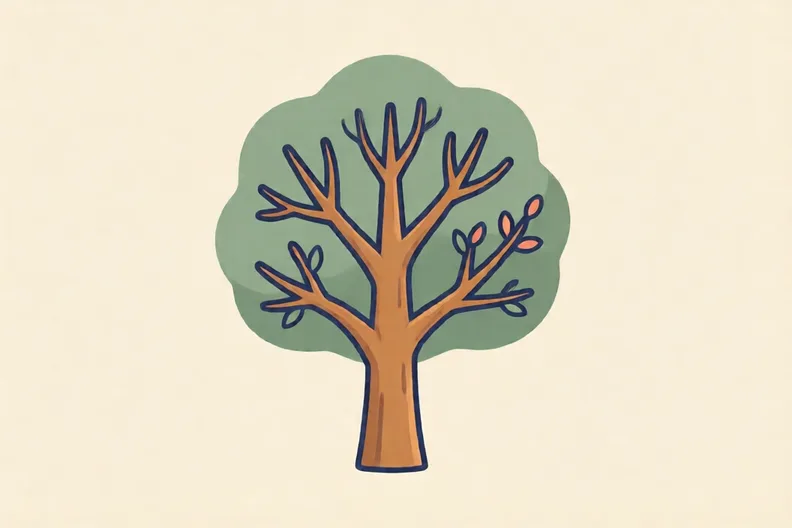
A tree with bare branches, and small buds on one branch
Watch me
Branch 1Branch 2

Mia makes a tally of the buds on each branch.

Branch 1 has 6 buds. Branch 2 has 2 buds.

Branch 1 has more buds, so more new leaves or flowers will grow there.

Now you
  1. 1.

    Zara counts the buds on two twigs. Which twig will grow more new leaves?

    Twig 1Twig 2

C Your turn6 min

Mia's class counted spring signs in the garden. Use the tally and the picture to answer.
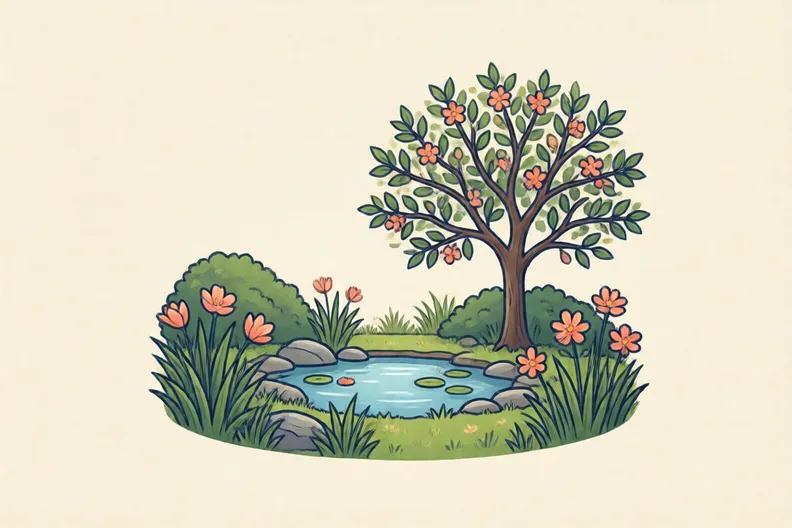
A small garden with a pond, a flowering tree and grass in spring
BudsBlossomFrogspawn
  1. 1.

    How many buds did we count?

  2. 2.

    Look at the garden picture. Where did we find the blossom?

  3. 3.

    Which sign did we count the least? Circle it.

    BudsBlossomFrogspawn
  4. 4.

    Sort these spring signs. Write each one in the right column.

    a bud on a twiga blackbird singinga daffodil flowera frog croaking in a pond
    Seen with eyesHeard with ears

Say it out loud: What stayed the same in each question, and what changed?

D Spot the mistake3 min
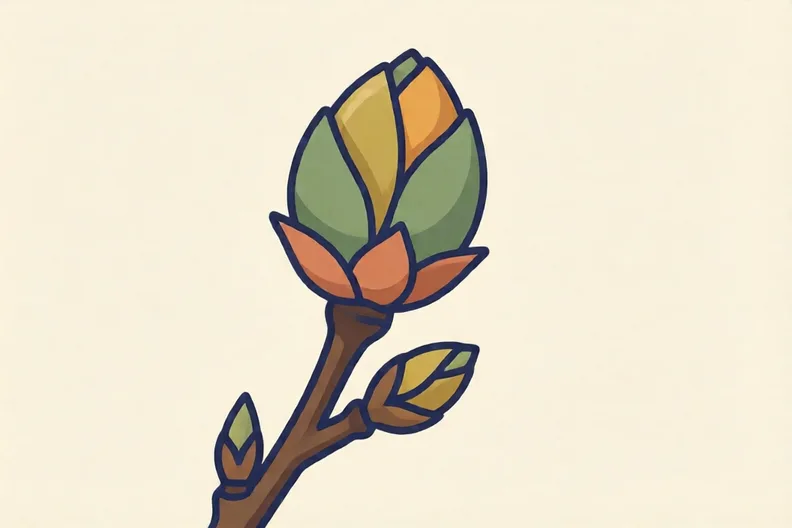
A close view of a closed bud on a bare twig
Lou says: “A bud is a flower that has already opened.”
  1. 1.

    What is a bud really? Write one sentence.

E Think deeper4 min

WinterSpringSummerAutumn
  1. 1.

    Some spring days are still cold. How can you tell spring has come? Use what you can see or hear.

How did it feel?

I can do it Nearly Not yet
StudyDen · Year 1 · Science · Seasonal changes: spring and summerAnswers are on the grown-up page

For the grown-up

Signs of spring · 2 minutes to read

Answers, and what a wrong one tells you

A

1. Birds

2. Look for: Autumn, the season between summer and winter. If your child writes spring, point to winter. Ask which season comes just before winter.

3. fox If your child circles grass, say grass is a plant. Ask which animal hunts rabbits.

B

1. Look for: Twig 1, because it has more buds. If your child says Twig 2, ask which twig has more buds. Each bud opens into a leaf or flower.

C

1. 4

2. Look for: On the flowering tree, because blossom grows on trees in spring. If your child says the pond, point to the tree in the picture. Ask where blossom grows.

3. Frogspawn If your child circled Blossom, they read the 2 and missed the 1. Ask them to point to the smallest number.

4. Seen with eyes: a bud on a twig, a daffodil flower · Heard with ears: a blackbird singing, a frog croaking in a pond

D

1. Look for: A tiny closed bump on a branch, with a new leaf or flower folded up inside it. your child thinks a bud is already open. Look at a bud together and ask what is hidden inside it.

E

1. Look for: Names buds, blossom or birdsong as a spring sign, and says what it shows.

Words to use

Say“What did you see with your eyes? What did you hear with your ears?”
Instead of“Spring is when the flowers come out, so you can just tell me the answer.”

After the sheet

Walk to a tree or hedge together. Count the buds on one twig, write the number down, and listen for one bird. Write one sentence about each.

Tick what your child got right in StudyDen. Anything missed comes back in a later Look back box, so there's no need to redo the sheet.

The rest of this unit

4 more sheets come with a StudyDen plan, in teaching order:

  1. Weather in spring(with a plan)
  2. Signs of summer(with a plan)
  3. Hot days and thermometers(with a plan)
  4. Long summer evenings(with a plan)

Every Year 1 science worksheet

The worksheets plan opens a printable sheet for every lesson in Years 1 to 6, each with its answers on a separate page for you. It costs £6.99 a month or £59 a year for the whole family, with no free trial.

The full StudyDen plan adds the lessons themselves, marked as your child works, with the worksheets included. It is 7 days free, then £29.99 a month.

Both start with a free account; you choose the plan when you sign up.