← Year 2 science worksheets

Year 2 Healthy me worksheet

“Why we wash our hands” is free to print, with no account. It is the first sheet in the Year 2 science unit “Healthy me”, for children aged 6 to 7, and takes about 20 minutes.

Print it on A4. The child's pages come first; the answers, and what each wrong answer tells you, are on the grown-up page that follows. Weeks 30 to 36 of the year, 7 sheets in the unit.

Free sample · answers on the last page

Why we wash our hands

Name: ____________ · Date: ____________
Year 2 · Science · about 20 minutes
Answers are on the grown-up page

Today I can explain how soap and water remove germs and stop them spreading.

A Look back3 min

  1. 1.

    Which fruit did most children pick? Why is eating fruit good for us?

    Favourite fruit0123456ApplesBananasPears
  2. 2.

    All the strips started the same length. Which strip stretched the least in the made-up test? Would it make a good hair band?

    Length after pulling (cm)05101520253035RubberLycraDenim
  3. 3.

    Which material soaked up the most water in the made-up test? Would it make a good towel?

    Water soaked up in a made-up test (ml)012345678910ClothPaperFoil

B Watch me, then you4 min

In this made-up test, Ola puts pretend germs (glitter) on her hands. She washes them three ways. The bars show how much glitter is left.
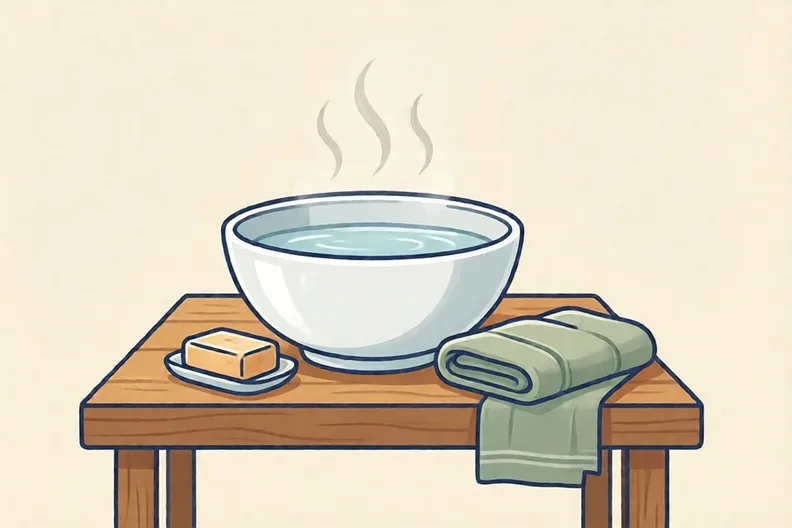
A bowl of warm water beside a bar of soap on a wooden table
Watch me
Glitter left on hands0123456Cold waterWarm waterWarm and soap

Cold water and warm water left bars the same height.

Warm and soap left the shortest bar, so it took the most away.

Soap is what takes the glitter off.

Now you
  1. 1.

    Look at Sam's made-up test. Which way took the most glitter off? Circle your answer.

    Glitter left on hands0123456Cold waterWarm waterWarm and soap
    Cold waterWarm waterWarm water with soap

C Your turn8 min

Sort the cards, join the words, and put the steps in order.

  1. 1.

    Write each card in the right column.

    germbirdtreestonecup
    Living thingsNot living things
  2. 2.

    Join each word to its meaning.

    germshygienepreventsoap
    To stop something from happeningHelps lift germs off your skinKeeping yourself cleanTiny living things too small to see
  3. 3.

    Number the steps in the right order.

    1. Dry your hands on a clean towel
    2. Rinse the soap off with water
    3. Wet your hands with warm water
    4. Rub soap over all of your hands
  4. 4.

    Which way of washing left fewer bits of glitter? What made the difference?

    Glitter left after washing0123456Warm waterWarm and soap

Say it out loud: Which card was hardest to sort, and why? Could a germ be too small for you to see?

D Spot the mistake3 min
A clean bar of soap beside a bowl of warm water
Kit says: “My hands look clean, so there are no germs on them.”
  1. 1.

    Write one reason why Kit is wrong.

E Think deeper4 min

Predict first, then explain your answer.
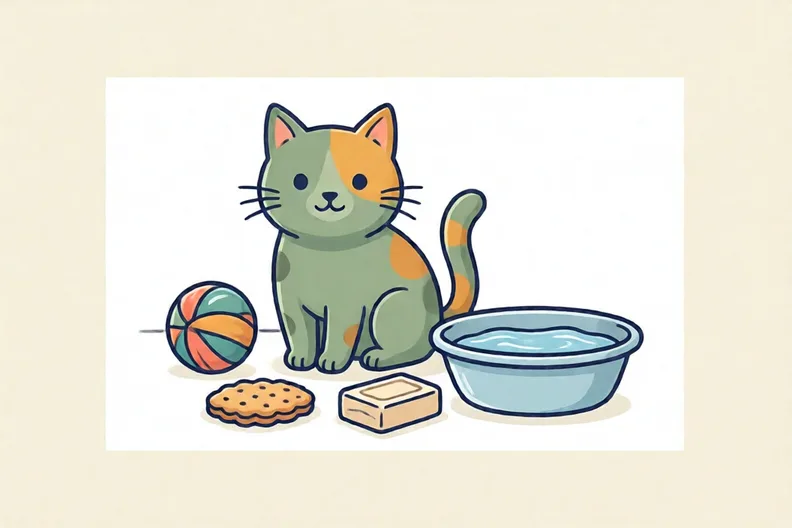
A cat, a ball, a biscuit and a bar of soap beside a basin of water
  1. 1.

    Bea pats a pet, then touches a toy, then eats a biscuit without washing. How could germs reach her mouth? Name one thing that would stop it.

How did it feel?

I can do it Nearly Not yet
StudyDen · Year 2 · Science · Healthy meAnswers are on the grown-up page

For the grown-up

Why we wash our hands · 2 minutes to read

Answers, and what a wrong one tells you

A

1. Look for: Names apples and gives a reason fruit is good for us, such as keeping the body healthy. your child named another fruit. Ask which bar is tallest, then ask how fruit helps our bodies.

2. Look for: Names denim and says it would not make a good hair band because it does not stretch much. your child named rubber or lycra. Ask which bar is shortest, then ask if that strip would stretch round hair.

3. Look for: Names cloth and says it would make a good towel because it soaks up water. your child named foil or paper. Ask which bar is tallest, then ask what a towel needs to do.

B

1. Warm water with soap

C

1. Living things: germ, bird, tree · Not living things: stone, cup your child may have put the germ with the stone because germs are too small to see. Germs are tiny living things, so they go with living things.

2. germs → Tiny living things too small to see; hygiene → Keeping yourself clean; prevent → To stop something from happening; soap → Helps lift germs off your skin your child may have joined germs with a cleaning word. Ask what a germ is, then what hygiene means.

3. 1 Wet your hands with warm water · 2 Rub soap over all of your hands · 3 Rinse the soap off with water · 4 Dry your hands on a clean towel your child may have dried first. Ask: what do we need on our hands before the soap can work?

4. Look for: Picks warm and soap, and says the soap took the glitter off. your child picked warm water. Ask which bar is shorter, then ask what was added to the water.

D

1. Look for: Germs are too small or invisible to see, so clean-looking hands can still have germs. your child may think germs can be seen. Explain that germs are far too small to see, so clean-looking hands can still carry them.

E

1. Look for: Germs move from the pet or toy onto the hands and then to the mouth with the biscuit; washing hands with warm water and soap before eating stops this.

Words to use

Say“Which way took the most glitter away? How do you know from the bars?”
Instead of“Your hands look clean, so they must be clean.”

After the sheet

Try a glitter test at home. Rub a little hand cream on your hands, then add a pinch of glitter. Wash with water only, and look. Add more cream and glitter, then wash with soap and water. Write what is left in a table and compare.

Tick what your child got right in StudyDen. Anything missed comes back in a later Look back box, so there's no need to redo the sheet.

The rest of this unit

6 more sheets come with a StudyDen plan, in teaching order:

  1. Brushing for healthy teeth(with a plan)
  2. Moving to Keep Healthy(with a plan)
  3. Sorting our food(with a plan)
  4. Food amounts that help(with a plan)
  5. Food scientists at work(with a plan)
  6. Healthy habits count(with a plan)

Every Year 2 science worksheet

The worksheets plan opens a printable sheet for every lesson in Years 1 to 6, each with its answers on a separate page for you. It costs £6.99 a month or £59 a year for the whole family, with no free trial.

The full StudyDen plan adds the lessons themselves, marked as your child works, with the worksheets included. It is 7 days free, then £29.99 a month.

Both start with a free account; you choose the plan when you sign up.