← Year 2 science worksheets

Year 2 Living things and where they live worksheet

“Living or non-living?” is free to print, with no account. It is the first sheet in the Year 2 science unit “Living things and where they live”, for children aged 6 to 7, and takes about 20 minutes.

Print it on A4. The child's pages come first; the answers, and what each wrong answer tells you, are on the grown-up page that follows. Weeks 23 to 29 of the year, 7 sheets in the unit.

Free sample · answers on the last page

Living or non-living?

Name: ____________ · Date: ____________
Year 2 · Science · about 20 minutes
Answers are on the grown-up page

Today I can tell living things from non-living things by asking if they need food, water and air.

A Look back3 min

  1. 1.

    Which season comes after summer? Circle one.

    springsummerwinter
    springautumnwinter
  2. 2.

    What does the rabbit eat? Circle one.

    rabbitfox
    grassa foxa bird
  3. 3.

    The frog eats grasshoppers. Is the frog a herbivore or a carnivore? Circle one.

    grassgrasshopper
    herbivorecarnivore

B Watch me, then you4 min

A snail is in the garden. A pebble is by the path. Which one is living?
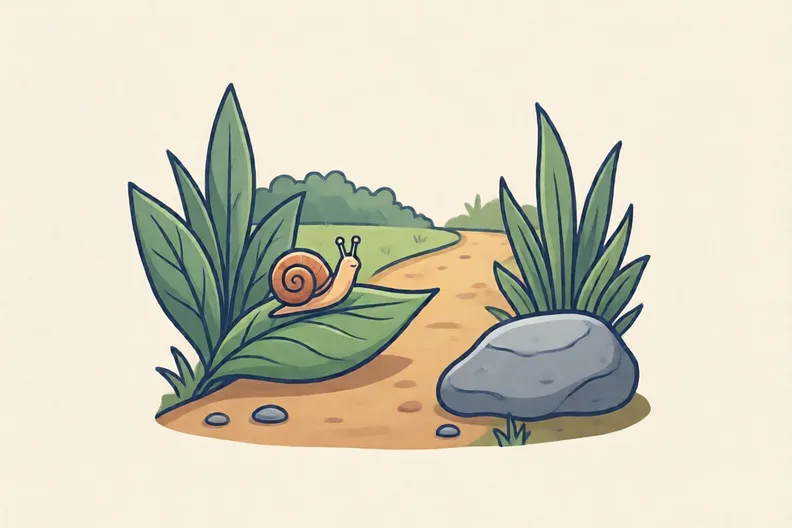
Watch me
A garden path with a snail on a leaf and a grey pebble beside it

Does a snail need food, water and air? Yes, it eats leaves and breathes.

So the snail is living.

A pebble cannot eat, drink or breathe. So the pebble is non-living.

Now you
  1. 1.

    A duck on a pond or a plastic bucket. Which one is living? Circle one.

    a ducka plastic bucket
  2. 2.

    A brick wall. Circle living or non-living.

    livingnon-living

C Your turn8 min

Read each thing. Ask: does it need food, water and air?
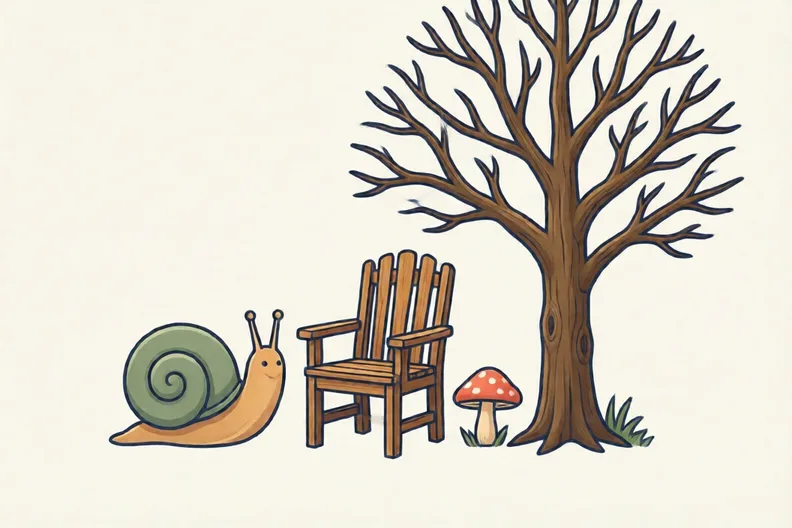
A snail, a wooden chair, a mushroom and a bare oak tree on a plain background.
  1. 1.

    A goldfish in a tank. Circle living or non-living.

    livingnon-living
  2. 2.

    A wooden spoon in the drawer. Circle living or non-living.

    livingnon-living
  3. 3.

    A mushroom growing in the grass. Circle living or non-living.

    livingnon-living
  4. 4.

    A bare oak tree in winter. Circle living or non-living.

    livingnon-living

Say it out loud: Which question did you ask first? Did the thing move, or did you ask about food, water and air?

D Spot the mistake3 min
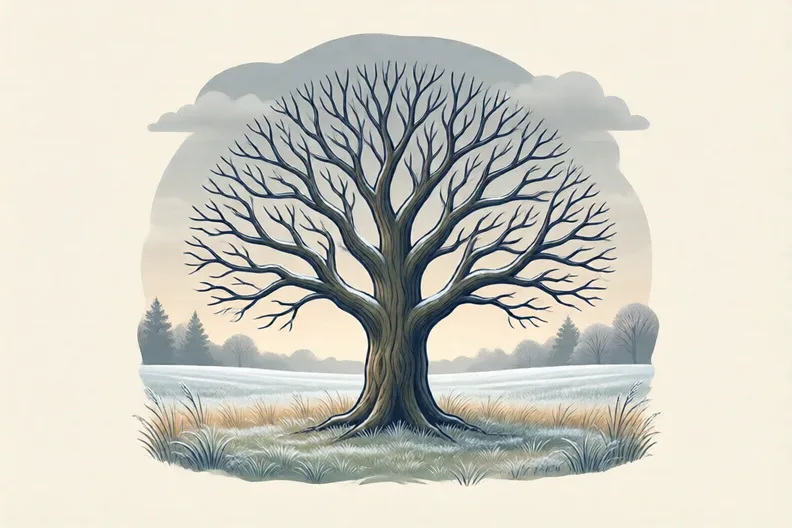
A bare oak tree in a park in winter with no leaves
Sam says: “A tree is not living because it never moves.”
  1. 1.

    Is Sam right? Write why.

E Think deeper4 min
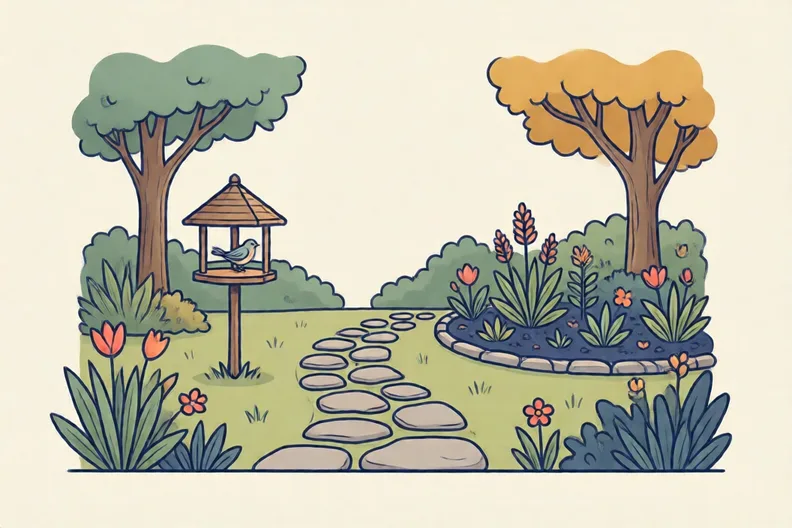
A back garden with a bird table, a stone path and a flower bed
  1. 1.

    Name two living things and two non-living things near you. Tell your grown-up how you know for each.

How did it feel?

I can do it Nearly Not yet
StudyDen · Year 2 · Science · Living things and where they liveAnswers are on the grown-up page

For the grown-up

Living or non-living? · 2 minutes to read

Answers, and what a wrong one tells you

A

1. autumn your child may have gone back a step. Move one place along the cycle from summer and read the blank.

2. grass your child may have read the arrow the wrong way. Arrows point to the eater, so the food is the thing before the arrow into the rabbit.

3. carnivore your child may think a frog is a herbivore because it sits in grass. Carnivores eat other animals, so the frog is a carnivore.

B

1. a duck your child may think a bucket is living because it holds water. Holding water is not the same as needing it. Ask: does it eat, drink or breathe?

2. non-living

C

1. living

2. non-living your child may think the spoon is living because it came from a tree. A wooden spoon cannot eat, drink or breathe, so it is non-living.

3. living your child may think the mushroom is not living because it does not move. Mushrooms need food and water to grow, so they are living.

4. living your child may think a bare tree has died. Ask: will it grow new leaves in spring? A bare tree is resting, and it still needs water and air.

D

1. Look for: Says no and gives a reason, such as a tree needs water and air even though it does not move. your child may think a living thing must move. Ask: does a tree need water and air? Will it grow new leaves in spring?

E

1. Look for: Two living and two non-living things, each with a reason that uses food, water or air.

Words to use

Say“What does it need to stay alive? Does it need food, water and air?”
Instead of“Tell me the answer. It is living because it moves.”

After the sheet

Walk round the house and garden with a notepad. Sort five things into living and non-living, and write one reason for each.

Tick what your child got right in StudyDen. Anything missed comes back in a later Look back box, so there's no need to redo the sheet.

The rest of this unit

6 more sheets come with a StudyDen plan, in teaching order:

  1. Living Things on the Move(with a plan)
  2. Alive, dead or never alive(with a plan)
  3. Animal habitats(with a plan)
  4. Where plants live(with a plan)
  5. Tiny homes and minibeasts(with a plan)
  6. Homes for minibeasts(with a plan)

Every Year 2 science worksheet

The worksheets plan opens a printable sheet for every lesson in Years 1 to 6, each with its answers on a separate page for you. It costs £6.99 a month or £59 a year for the whole family, with no free trial.

The full StudyDen plan adds the lessons themselves, marked as your child works, with the worksheets included. It is 7 days free, then £29.99 a month.

Both start with a free account; you choose the plan when you sign up.