← Year 3 art worksheets

Year 3 Perfect Patterns: drawing and design worksheet

“Patterns in nature” is free to print, with no account. It is the first sheet in the Year 3 art unit “Perfect Patterns: drawing and design”, for children aged 7 to 8, and takes about 22 minutes.

Print it on A4. The child's pages come first; the answers, and what each wrong answer tells you, are on the grown-up page that follows. Weeks 27 to 32 of the year, 6 sheets in the unit.

Free sample · answers on the last page

Patterns in nature

Name: ____________ · Date: ____________
Year 3 · Art & design · about 22 minutes
Answers are on the grown-up page

Today I can tell natural patterns apart from patterns that people design.

A Look back3 min

  1. 1.

    Which of these colours are primary colours? Circle the right answers.

    redyellowblueorangegreenpurple
    redorangeyellowgreenbluepurple
  2. 2.

    Red and yellow mixed together make which colour? Circle the right answer.

    redyellow
    orangegreenpurple
  3. 3.

    What is the name of this shape? Circle the right answer.

    hexagonoctagonpentagon

B Watch me, then you4 min

Ola draws a kite on paper. She wants to know if both sides match. She folds it down the middle to check.

Watch me

Ola folds the kite down the middle.

The left side lands exactly on the right side.

So the kite is symmetrical.

Now you
  1. 1.

    Ola draws a parallelogram. Can she fold it so both halves match exactly? Circle the right answer.

    Yes, both halves matchNo, the halves do not match

C Your turn8 min

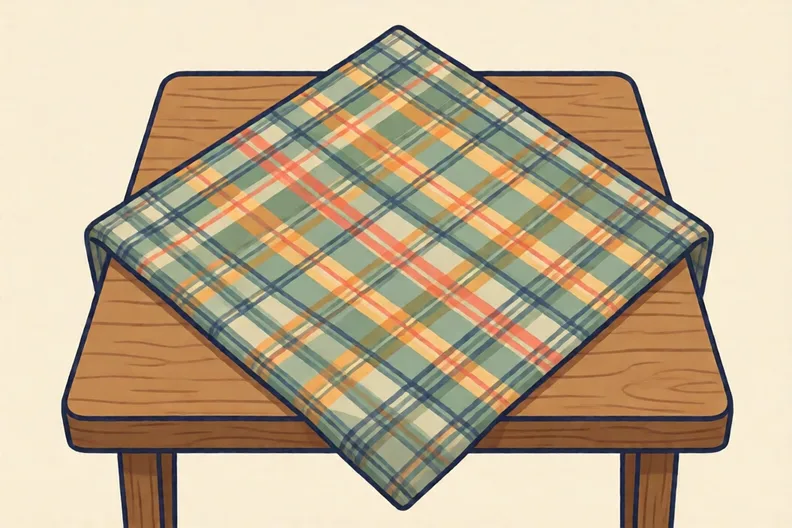
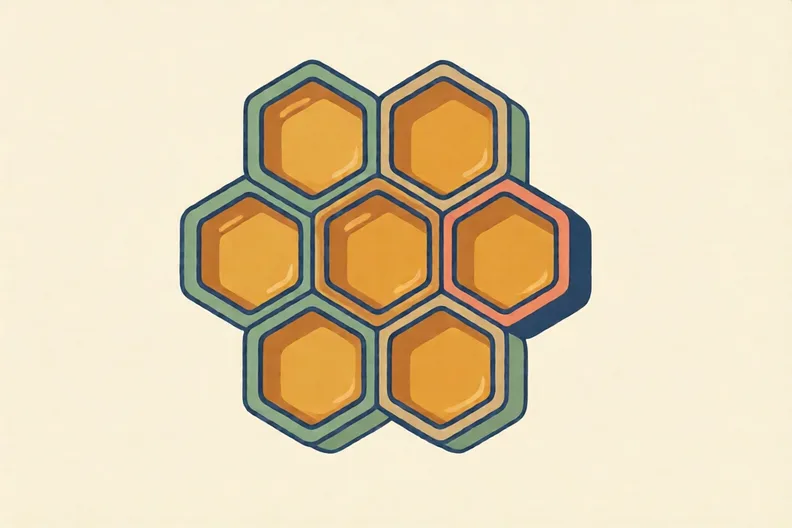
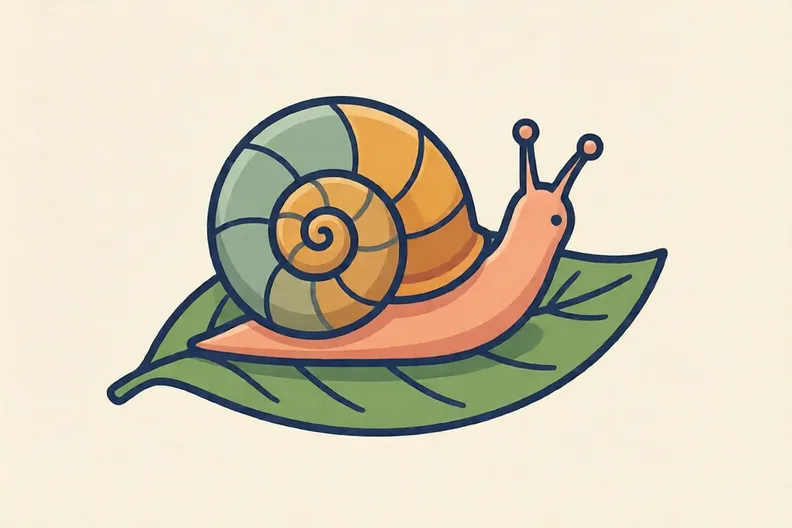
Look at each picture. Decide if nature grew the pattern, or a person designed it.
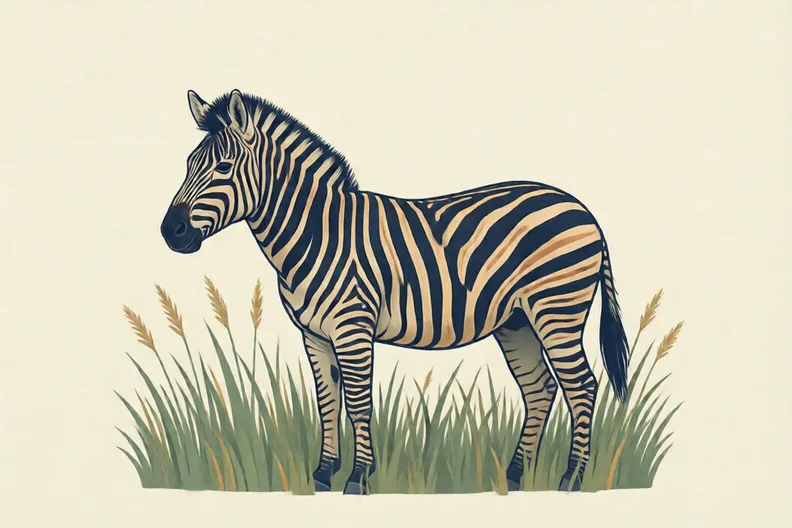
A zebra standing side on in long grass, with dark stripes across its bodyA checked tablecloth laid flat on a wooden tableA honeycomb with rows of six-sided wax cellsA garden snail shell with spiral lines on a green leaf
  1. 1.

    Zebra stripes. Natural or made by people? Circle the right answer.

    NaturalMade by people
  2. 2.

    Checked tablecloth. Natural or made by people? Circle the right answer.

    NaturalMade by people
  3. 3.

    Honeycomb. Natural or made by people? Circle the right answer.

    NaturalMade by people
  4. 4.

    The snail shell curls round and round, getting bigger as it goes. Which word fits best? Circle the right answer.

    spiralsymmetricalrepeating

Say it out loud: What clue tells you a pattern grew by itself, rather than being planned by a person?

D Spot the mistake3 min
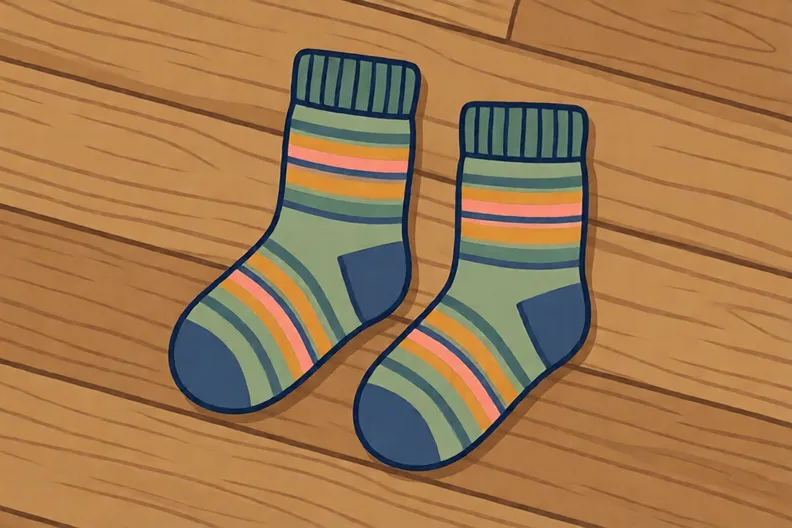
A pair of striped socks laid flat on a wooden floor
Kit says: “My socks have stripes that repeat, so their pattern must be natural.”
  1. 1.

    Is Kit right? Circle the right answer.

    Yes, it is naturalNo, it was designed by people

E Think deeper4 min

Sort these five patterns. Write each one in the right column.
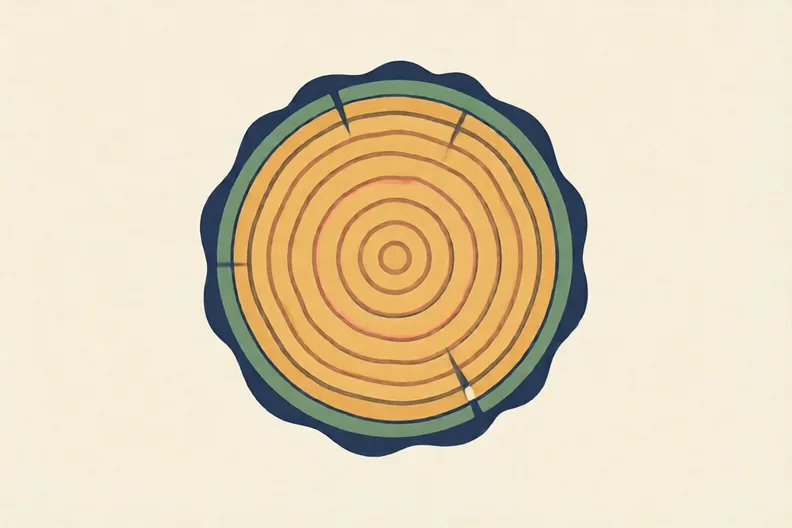
A cut tree trunk showing growth rings
  1. 1.

    Write each card in the right column.

    zebra stripesdeckchair stripesladybird spotsbathroom tilesrings in a tree trunk
    Grew in natureDesigned by people

How did it feel?

I can do it Nearly Not yet
StudyDen · Year 3 · Art & design · Perfect Patterns: drawing and designAnswers are on the grown-up page

For the grown-up

Patterns in nature · 2 minutes to read

Answers, and what a wrong one tells you

A

1. red, yellow, blue

2. orange

3. hexagon

B

1. No, the halves do not match If your child said yes, ask them to trace the shape and fold it. The slanted sides do not sit on each other, so there is no match.

C

1. Natural If your child said made by people, ask who designed the zebra's coat. Nobody did. It grew that way.

2. Made by people Ask your child who chose the squares and colours. A person did, so it is a designed pattern.

3. Natural A honeycomb repeats, but bees build it, not people. Ask your child who made the cells.

4. spiral If your child chose symmetrical, ask them to fold the shell. A curl that grows outward does not match on both sides.

D

1. No, it was designed by people If your child chose yes, ask who knitted or printed the socks. A pattern that repeats can still be made by a person.

E

1. Grew in nature: zebra stripes, ladybird spots, rings in a tree trunk · Designed by people: deckchair stripes, bathroom tiles

Words to use

Say“Which of these grew by itself, and which did a person plan? How do you know?”
Instead of“Tell them the answer straight away, or say that all stripes are natural.”

After the sheet

Walk round the kitchen or garden and find one pattern that grew and one that a person made. Talk about the clue that tells you which is which.

Tick what your child got right in StudyDen. Anything missed comes back in a later Look back box, so there's no need to redo the sheet.

The rest of this unit

5 more sheets come with a StudyDen plan, in teaching order:

  1. Finding patterns in art(with a plan)
  2. Patterns on a grid(with a plan)
  3. Kaleidoscope pattern moves(with a plan)
  4. Design a simple motif(with a plan)
  5. Print a repeat pattern(with a plan)

Every Year 3 art worksheet

The worksheets plan opens a printable sheet for every lesson in Years 1 to 6, each with its answers on a separate page for you. It costs £6.99 a month or £59 a year for the whole family, with no free trial.

The full StudyDen plan adds the lessons themselves, marked as your child works, with the worksheets included. It is 7 days free, then £29.99 a month.

Both start with a free account; you choose the plan when you sign up.