Body and brain links
Today I can explain how exercise, food and sleep work together to help the brain.
A Look back3 min
- 1.
Join each feeling to the weather that fits it best.
Calm and happyA bit worriedVery angryStormySunnyCloudy - 2.
The STOP, ?, CHOOSE routine has a calm step in the middle. Which word goes in the blank? Circle it.
BreatheHideShout - 3.
In a calm chat to fix a problem, which step goes in the blank? Circle one.
ListenShout backWalk away
B Watch me, then you4 min
Ola walks to school, eats porridge, and goes to bed at a regular time. How do these three parts link?

Sleep helps the brain store what you learned today.
Porridge releases glucose slowly, so the brain has steady energy.
A brisk walk helps you fall asleep more easily that night.
- 1.
Ola eats porridge before school, so she has steady energy for her brisk walk. Circle the link this shows.
Exercise to sleepSleep to foodFood to exercise
C Your turn8 min
Read each row. Circle, sort or choose, then move to the next row.
- 1.
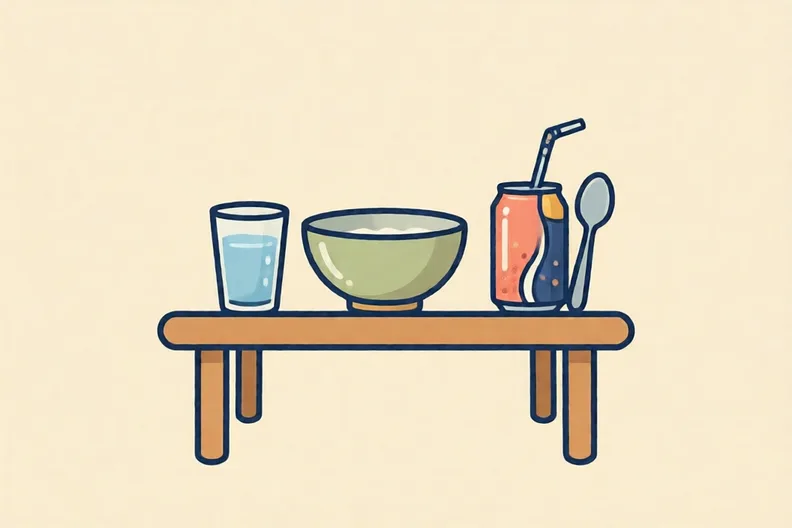
Which breakfast gives the brain steady energy for morning lessons? Circle one.
Porridge with bananaSugary cereal and a fizzy drinkNothing before schoolSweets on the way in - 2.
Sort these. Which activities count as moderate or vigorous? Write each card in a column.
Brisk walk to the shopsCycling fast to schoolWatching a film on the sofaSwimming lengths at the poolCounts as moderate or vigorous Does not count - 3.
Ali went to bed very late and found it hard to remember his spellings. Circle the link this shows.
Sleep and memorySweets and shoe sizeWalking and the weather - 4.
Leo has a fizzy drink with lunch every day. Which small change would help his focus most? Circle one.
Swap it for water or milkHave two fizzy drinks insteadSkip lunch altogetherAdd a sweet treat as well
Say it out loud: Each row changes one thing: the food, the activity, the sleep, then the drink. Which body and brain link does each row show?
D Spot the mistake3 min
- 1.
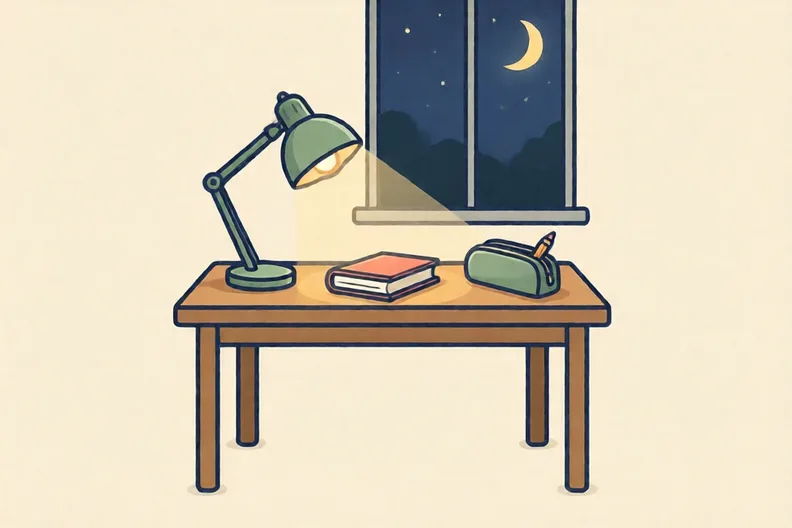
Why is Ruby wrong? Write one sentence.
E Think deeper4 min
- 1.
Look at the made-up chart. Give two reasons why the walking day might score higher. Write them down.