← Year 2 PE worksheets

Year 2 Dance: my world, weather worksheet

“Weather moves in a dance” is free to print, with no account. It is the first sheet in the Year 2 PE unit “Dance: my world, weather”, for children aged 6 to 7, and takes about 23 minutes.

Print it on A4. The child's pages come first; the answers, and what each wrong answer tells you, are on the grown-up page that follows. Weeks 10 to 12 of the year, 6 sheets in the unit.

Free sample · answers on the last page

Weather moves in a dance

Name: ____________ · Date: ____________
Year 2 · PE · about 23 minutes
Answers are on the grown-up page

Today I can show weather in a short dance using a gesture, a turn, a jump or travel.

A Look back3 min

  1. 1.

    Name one way to travel across the room in a dance. Write it here:

    Start hereFinish there
  2. 2.

    The last step of a safe jump is missing. Write it here:

    Stand tallBend your knees
  3. 3.

    Face north. Make a quarter turn clockwise. Circle the way you now face.

    NNESESSWWNW
    NESW

B Watch me, then you4 min

Ola wants to show a hot, bright sunny day. She uses three moves: a gesture, a turn and a stillness.
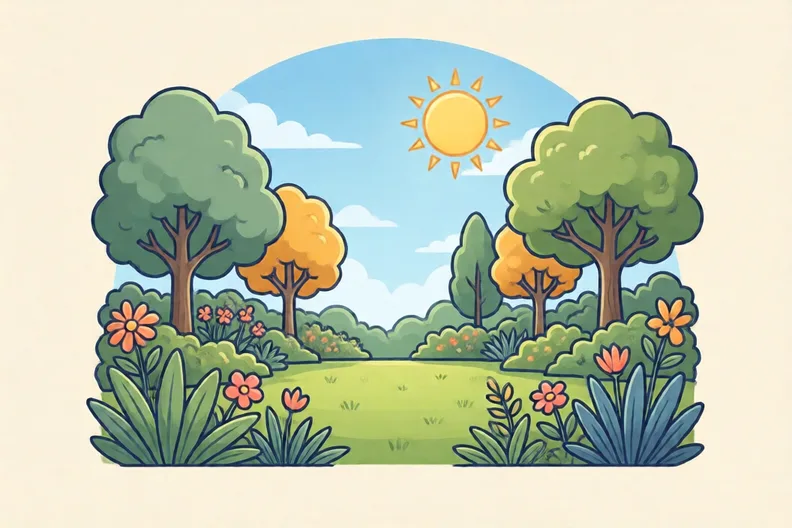
A sunny garden with a bright sun over a clear lawn, no people
Watch me
Shield eyesSlow turnFreeze still

Shield your eyes from the sun with one hand.

Turn slowly on the spot.

Freeze, looking up, and hold still.

Now you
  1. 1.

    Sam wants to show a gust of wind blowing across the garden. Arms wide first, and stop still at the end. Write the middle move:

    Arms wideStop still

C Your turn7 min

Practise in a clear space, away from windows. Use a soft ball to mark a spot. A grown-up watches.
A soft ball on a clear wooden floor beside a bare wall
  1. 1.

    Put these steps for a sharp thunder jump in order. Write 1, 2, 3 and 4 in the boxes.

    1. Land softly with bent knees
    2. Jump up tall and quick
    3. Crouch down low
    4. Stand tall and still first
  2. 2.

    Which coaching point helps a slow turn stay steady? Circle one.

    Pick one spot ahead and turn your head to it firstLook down at your feet all the way roundHold your breath and spin as fast as you can
  3. 3.

    Join each move to its coaching point.

    JumpTravelGestureTurn
    Keep your head level as you spinMake the shape clear with armsBend knees to land softlyMove with quick, light steps
  4. 4.

    Do a sequence with a gesture, a jump and a turn, three times. Make a mark for each try. Then write which try felt strongest and why:

    Try 1Try 2Try 3

Say it out loud: Which move felt strongest today: the jump, the turn or the travel? Tell your grown-up why.

D Spot the mistake3 min

Sam says: “In a weather dance, I have to pretend I am the rain.”
Light rainQuick finger tapsSoft stillness
  1. 1.

    Is Sam right? Explain why in your own words.

E Think deeper4 min

  1. 1.

    Make up your own short weather dance with one stillness. Tell your grown-up in one sentence how one move shows what the weather feels like.

How did it feel?

Which move helped you show the weather best? Tell your grown-up why. Did it feel different from pretending to be the weather?

I can do it Nearly Not yet
StudyDen · Year 2 · PE · Dance: my world, weatherAnswers are on the grown-up page

For the grown-up

Weather moves in a dance · 2 minutes to read

Answers, and what a wrong one tells you

A

1. Look for: Any travelling action, such as skip, hop, gallop, tiptoe or slide. If your child names a turn or a jump, ask whether that move takes them across the room. Travel means moving from place to place.

2. Look for: Land softly with bent knees, feet under you and the body steady.

3. E

B

1. Look for: Fast travel, moving quickly across the space from one place to another. If your child writes a turn or a jump, ask whether the wind moves across the floor. Fix: travel means moving from place to place.

C

1. 1 Stand tall and still first · 2 Crouch down low · 3 Jump up tall and quick · 4 Land softly with bent knees

2. Pick one spot ahead and turn your head to it first If your child circles the feet, ask what happens to balance when the eyes drop. Fix: pick a spot at eye height and turn towards it.

3. Jump → Bend knees to land softly; Travel → Move with quick, light steps; Gesture → Make the shape clear with arms; Turn → Keep your head level as you spin If your child joins Jump to the arms, ask which part of the body takes the landing. Fix: the knees bend to land softly.

4. Look for: Names one try, such as Try 1, 2 or 3, and gives a reason it felt strongest.

D

1. Look for: No, because a dance uses moves to show how the rain feels, not pretending to be it. If your child says Sam is right, ask which move would show light rain. Fix: the moves show the weather, and the dancer stays a dancer.

E

1. Look for: A short sequence including a stillness, with a reason one move shows how the weather feels, not a pretend role.

Words to use

Say“What did your body say about the weather? Which move made it feel strongest?”
Instead of“Tell them they were a brilliant storm and that they must be the rain next time.”

After the sheet

Safety first: clear space, soft ball, away from windows, and you watching. Then play a guessing game: your child shows a weather sequence with a turn and a stillness, and you guess the weather.

Tick what your child got right in StudyDen. Anything missed comes back in a later Look back box, so there's no need to redo the sheet.

The rest of this unit

5 more sheets come with a StudyDen plan, in teaching order:

  1. Sunshine and rain shapes(with a plan)
  2. Snow and ice dance(with a plan)
  3. Storm speed and force(with a plan)
  4. Wind and cloud moves(with a plan)
  5. Weather duets and trios(with a plan)

Every Year 2 PE worksheet

The worksheets plan opens a printable sheet for every lesson in Years 1 to 6, each with its answers on a separate page for you. It costs £6.99 a month or £59 a year for the whole family, with no free trial.

The full StudyDen plan adds the lessons themselves, marked as your child works, with the worksheets included. It is 7 days free, then £29.99 a month.

Both start with a free account; you choose the plan when you sign up.