← Year 2 PSHE worksheets

Year 2 PSHE: Summer 2 worksheet

“Giving back to others” is free to print, with no account. It is the first sheet in the Year 2 PSHE unit “PSHE: Summer 2”, for children aged 6 to 7, and takes about 20 minutes.

Print it on A4. The child's pages come first; the answers, and what each wrong answer tells you, are on the grown-up page that follows. Weeks 31 to 36 of the year, 6 sheets in the unit.

Free sample · answers on the last page

Giving back to others

Name: ____________ · Date: ____________
Year 2 · PSHE · about 20 minutes
Answers are on the grown-up page

Today I can name ways to give back and explain what volunteering means.

A Look back3 min

  1. 1.

    Ali's tower falls down and he feels cross. Which weather word fits his feeling best?

    sunnystormycloudy
  2. 2.

    Join each situation to the feeling someone might have.

    See their faceGuess how they feelHelp if you can
    Ola lost her hatSam won a race
    proudsad
  3. 3.

    Which one is good listening?

    Look at themListenThinkReply
    Looking at the speakerTalking over themChecking your phone

B Watch me, then you4 min

Ali sees rubbish on the grass in the park. What could Ali do to give back?

Watch me
Notice a needChooseto helpGive yourtime

Ali notices the rubbish on the grass.

Ali chooses to pick it up with a litter group.

Ali gives time for free, so this is volunteering.

Now you
  1. 1.

    Sort these. Put each card in the right column.

    Someone needs helpYou choose to helpYou feel good
    Helping at a food bank on SaturdayBeing paid to stack shelvesHelping a neighbour carry shopping
    Giving time for freePaid or bought
  2. 2.

    Which group collects money to help people who need it?

    People give moneyThe group buys foodPeople are helped
    A charityA volunteerA bus stop

C Your turn6 min

Read each row. Look at what changes from one question to the next.
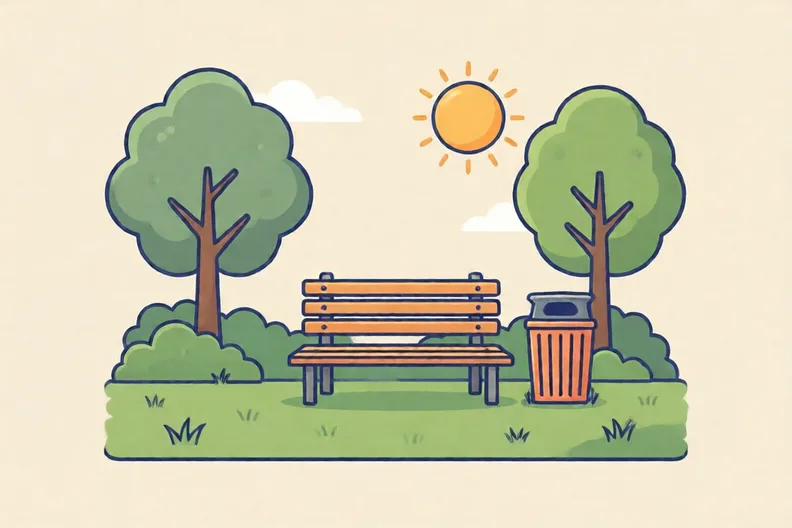
A tidy village park with a bench, a litter bin and grass, on a sunny day
  1. 1.

    Which one is giving back?

    Helping a neighbour carry shoppingGrabbing the last biscuitHiding a friend's bag
  2. 2.

    Put each card in the right column.

    Sharing your crayonsSaying something kind to a friendGrabbing the best seat
    Giving backNot giving back
  3. 3.

    Which one is volunteering?

    Helping at a charity sale for freeBeing paid to help at a shopBuying a sweet for yourself
  4. 4.

    Join each word to its meaning.

    A charityVolunteering
    giving your time freely to help othersa group that collects money to help people

Say it out loud: What is the same about the kind acts? Which ones take no money and no payment?

D Spot the mistake3 min

Kit says: “Volunteers get paid for their time.”
Notice a needChooseto helpGive yourtime
  1. 1.

    Is Kit right? Write why in your own words.

E Think deeper3 min
A kitchen table with a folded card, crayons and a cup, with no people
  1. 1.

    Think of one small way to give back this week. Write it, then tell a grown-up why it helps someone.

How did it feel?

Think about one kind thing you did or could do. Say one word for how helping makes you feel.

I can do it Nearly Not yet
StudyDen · Year 2 · PSHE · Caring for OthersAnswers are on the grown-up page

For the grown-up

Giving back to others · 2 minutes to read

Answers, and what a wrong one tells you

A

1. stormy If your child picks sunny, ask: does Ali feel happy or cross? Match the weather word to the feeling.

2. Ola lost her hat → sad; Sam won a race → proud If your child joins Ola to proud, ask: how would you feel if you lost your hat? Then try again.

3. Looking at the speaker If your child picks talking over them, ask: can you hear the speaker when you talk too? Point to the listening cycle.

B

1. Paid or bought: Being paid to stack shelves · Giving time for free: Helping at a food bank on Saturday, Helping a neighbour carry shopping If your child puts the paid job in the free column, ask: is anyone paying them for their time? Then move the card.

2. A charity If your child picks a volunteer, ask: does a volunteer give time, or does a charity collect money? Follow the chain.

C

1. Helping a neighbour carry shopping If your child picks the biscuit, ask: who does that help? Giving back means doing something good for someone else.

2. Giving back: Sharing your crayons, Saying something kind to a friend · Not giving back: Grabbing the best seat

3. Helping at a charity sale for free If your child picks the paid job, ask: is anyone paying the helper? Volunteering means giving time for free.

4. A charity → a group that collects money to help people; Volunteering → giving your time freely to help others If your child joins charity to giving time, ask: does a charity collect money, or do people give time? Read the meanings again.

D

1. Look for: Says no, and explains that volunteers give their time for free and are not paid. If your child agrees, ask: what does giving your time freely mean? Volunteers help without pay.

E

1. Look for: A safe, kind act for others such as tidying, sharing, or saying something kind, with a reason it helps.

Words to use

Say“What is one small kind thing you could do for someone this week? How would they feel?”
Instead of“Tell them volunteering only counts if you work at a big charity.”

After the sheet

Make a Giving Back card together from one sheet of paper. Fold it in half, draw one kind act on the front, then write one feeling word inside, or let your child tell you what to write.

Tick what your child got right in StudyDen. Anything missed comes back in a later Look back box, so there's no need to redo the sheet.

The rest of this unit

5 more sheets come with a StudyDen plan, in teaching order:

  1. Saying No to Pressure(with a plan)
  2. Looking after my mind(with a plan)
  3. Small Steps to My Goal(with a plan)
  4. Ready for Year 3(with a plan)
  5. What I have learned this year(with a plan)

Every Year 2 PSHE worksheet

The worksheets plan opens a printable sheet for every lesson in Years 1 to 6, each with its answers on a separate page for you. It costs £6.99 a month or £59 a year for the whole family, with no free trial.

The full StudyDen plan adds the lessons themselves, marked as your child works, with the worksheets included. It is 7 days free, then £29.99 a month.

Both start with a free account; you choose the plan when you sign up.