← Year 3 geography worksheets

Year 3 Settlements: where do people live and why? worksheet

“Small places, big places” is free to print, with no account. It is the first sheet in the Year 3 geography unit “Settlements: where do people live and why?”, for children aged 7 to 8, and takes about 20 minutes.

Print it on A4. The child's pages come first; the answers, and what each wrong answer tells you, are on the grown-up page that follows. Weeks 25 to 30 of the year, 6 sheets in the unit.

Free sample · answers on the last page

Small places, big places

Name: ____________ · Date: ____________
Year 3 · Geography · about 20 minutes
Answers are on the grown-up page

Today I can tell villages, towns and cities apart by size and by what they offer.

A Look back3 min

  1. 1.

    Which compass point is opposite south?

    NEESESSWWNW
    NorthEastWest
  2. 2.

    What grid reference is the church? Go along the bottom first, then up.

    ABCD1234N
    B2C1A2B3
  3. 3.

    Which symbol is in square C1?

    ABC123N
    shopschoolparkpond

B Watch me, then you4 min

Ola counts the services in three made-up places, A, B and C. Which place has the most services?

Watch me
Services in three made-up places012345678ABC

Place B has the tallest bar, with 7 services.

Place A has 2 and place C has 4.

Bigger places usually have more services, so Place B is probably the biggest.

Now you
  1. 1.

    Zara counts services in three made-up places. Which place is probably the biggest settlement?

    Services in three made-up places012345678910ABC
    ABC

C Your turn6 min

Read the number of people. Use this rough guide. A village has up to about 3,000 people. A town has about 3,000 to 100,000. A city usually has more than 100,000.
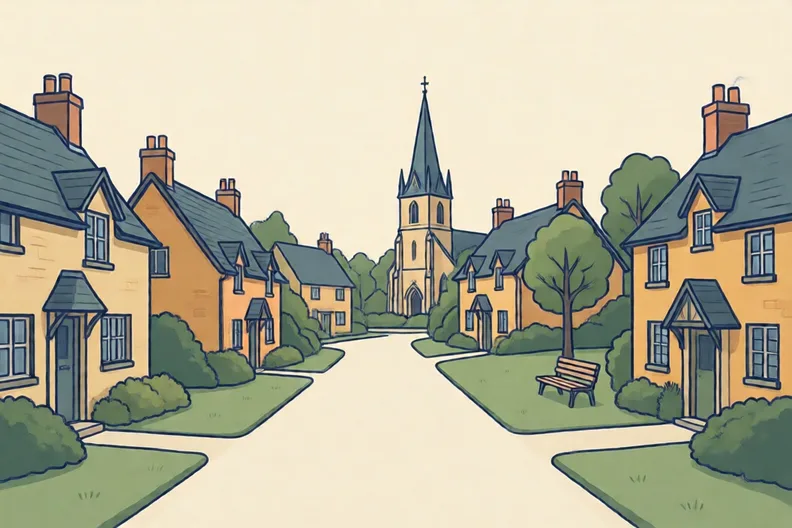
A quiet village lane with cottages, a small church spire and a green
  1. 1.

    A made-up place has 1,200 people. What kind of settlement is it?

    villagetowncity
  2. 2.

    A made-up place has 40,000 people. What kind of settlement is it?

    villagetowncity
  3. 3.

    A made-up place has 250,000 people. What kind of settlement is it?

    villagetowncity
  4. 4.

    A made-up place has 2,800 people. What kind of settlement is it?

    villagetowncity

Say it out loud: What did the number tell you each time? Which number was in the village range?

D Spot the mistake3 min
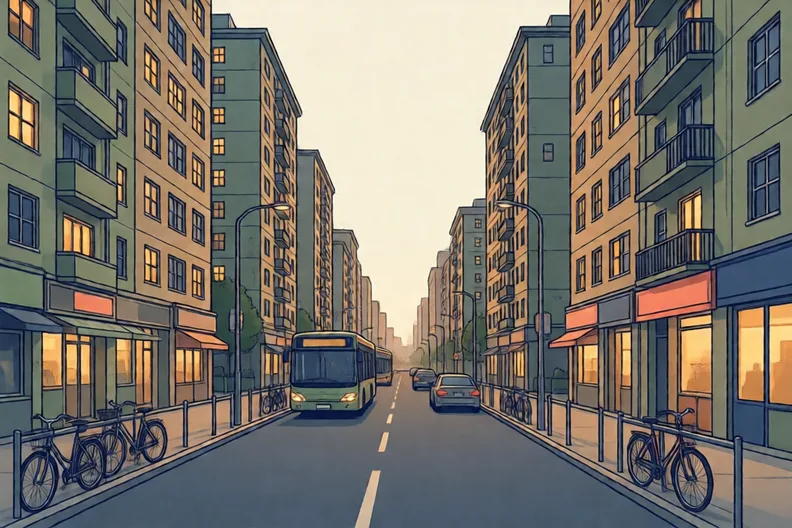
A busy city street with tall flats, lit windows and parked bicycles, with no people
Kit says: “Cities are only places where people work.”
  1. 1.

    Is Kit right? Explain in your own words.

E Think deeper4 min
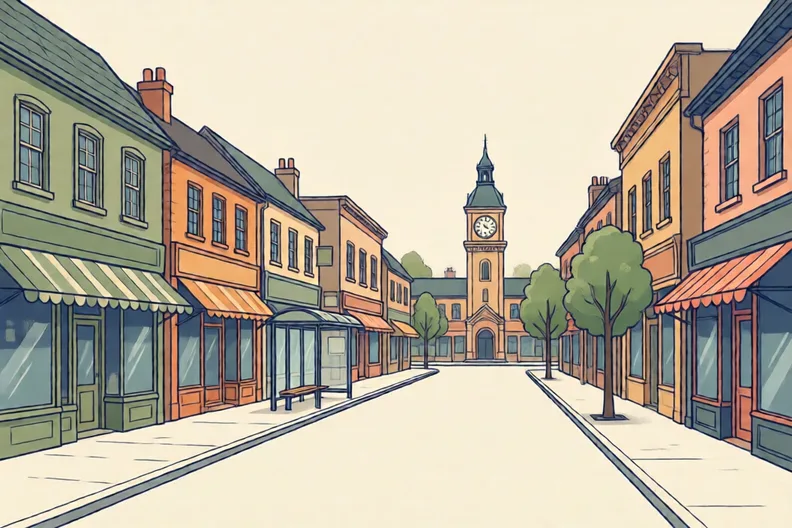
A small town high street with a row of shops and a bus stop, with no people
  1. 1.

    Give two reasons why a town has more shops than a village.

How did it feel?

I can do it Nearly Not yet
StudyDen · Year 3 · Geography · Settlements: where do people live and why?Answers are on the grown-up page

For the grown-up

Small places, big places · 2 minutes to read

Answers, and what a wrong one tells you

A

1. North

2. B2 If your child says C1, they went one square too far along and did not go up. Ask them to find the letter first, then go up.

3. shop

B

1. B If your child says A, ask them to find the tallest bar first. More services usually means more people live there.

C

1. village If your child says town, ask them to check the village guide. Is 1,200 less than 3,000?

2. town If your child says city, ask: is 40,000 more than 100,000? It is not.

3. city If your child says town, ask them whether 250,000 is more than 100,000.

4. village If your child says town, check that 2,800 sits inside the village range, below 3,000.

D

1. Look for: Cities have homes and families, so people live there too. If your child says Kit is right, ask: where do the people in this street sleep at night?

E

1. Look for: Two reasons, such as more people living in a town, or people from nearby villages coming in to shop.

Words to use

Say“Which bar is tallest, and what does that tell us about the place?”
Instead of“Just tell them the answer, or say that a city is always the biggest place.”

After the sheet

On your next walk, count the shops and houses on one street. Talk together about whether you live in a village, a town or a city.

Tick what your child got right in StudyDen. Anything missed comes back in a later Look back box, so there's no need to redo the sheet.

The rest of this unit

5 more sheets come with a StudyDen plan, in teaching order:

  1. Reading grid references(with a plan)
  2. Why people chose a spot(with a plan)
  3. How places change over time(with a plan)
  4. Why Did Our Town Grow?(with a plan)
  5. Planning a new village(with a plan)

Every Year 3 geography worksheet

The worksheets plan opens a printable sheet for every lesson in Years 1 to 6, each with its answers on a separate page for you. It costs £6.99 a month or £59 a year for the whole family, with no free trial.

The full StudyDen plan adds the lessons themselves, marked as your child works, with the worksheets included. It is 7 days free, then £29.99 a month.

Both start with a free account; you choose the plan when you sign up.