← Year 3 PE worksheets

Year 3 Striking and fielding games: fielding vs batting worksheet

“Aim With Your Whole Body” is free to print, with no account. It is the first sheet in the Year 3 PE unit “Striking and fielding games: fielding vs batting”, for children aged 7 to 8, and takes about 20 minutes.

Print it on A4. The child's pages come first; the answers, and what each wrong answer tells you, are on the grown-up page that follows. Weeks 31 to 36 of the year, 6 sheets in the unit.

Free sample · answers on the last page

Aim With Your Whole Body

Name: ____________ · Date: ____________
Year 3 · PE · about 20 minutes
Answers are on the grown-up page

Today I can turn my whole body to aim a throw or strike.

A Look back2 min

  1. 1.

    A ball rolls towards you. Which step comes first? Circle one.

    Ball rolls to youStep in frontCup your hands
    Watch the ballClose your eyesRun away
  2. 2.

    Which action helps you run fast between two markers? Circle one.

    Bend your kneesPush off the ground
    Swing your armsHold your arms stillLook at the sky
  3. 3.

    Join each skill to the right coaching point.

    RunThrowCatch
    CatchThrowRun
    Pump your armsWatch the ball into your handsPoint your front foot at the target

B Watch me, then you4 min

Ali is batting. The empty gap is on the left. Watch how Ali aims before the ball is hit.
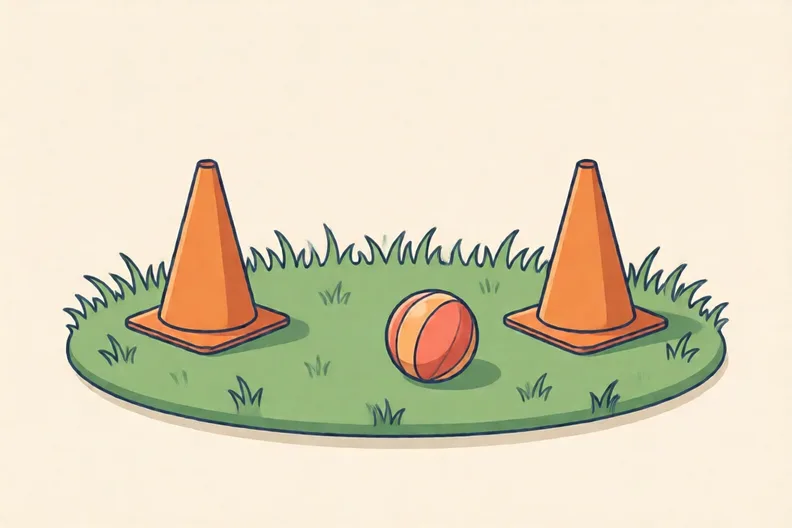
A flat green lawn with two orange cones and an empty space between them
Watch me
Find the gapTurn your whole bodyStrike or throw

Look for the empty gap on the left.

Turn your head, shoulders and feet to face it.

Then strike or throw the ball into the gap.

Now you
  1. 1.

    Number these fielding steps in the right order. Write 1 to 4 in each box.

    1. Turn to face the marker
    2. Throw the ball back to the marker
    3. Run to where the ball has stopped
    4. Pick up the ball with both hands

C Your turn7 min

Use a soft ball in a clear garden, away from windows, with a grown-up watching. Read each story before you answer.
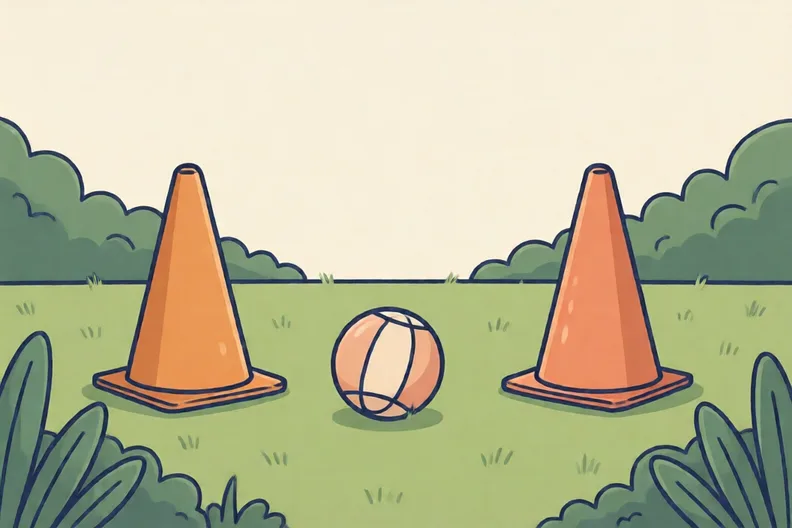
Two cones on a lawn about four metres apart with a soft ball
  1. 1.

    Sam is batting. The gap is on the right. He turns his head to the right, but his shoulders and feet still face the fence. Circle the coaching point that helps most.

    Turn your whole body to face the gapHold the ball higherRun as soon as you hit itShut your eyes for a second
  2. 2.

    Mia checks the empty gap on the left. Which step is missing from the middle? Circle one.

    Look at the gapStrike the ball
    Turn your whole bodyHold your breathLook only at the ball
  3. 3.

    Number these batting steps in the right order. Write 1 to 4 in each box.

    1. Run to the next marker
    2. Strike the ball
    3. Look at the gap
    4. Turn your whole body
  4. 4.

    Take three hits at the gap between the cones. Make a tally mark for each hit that goes through the gap. Try 1 Try 2 Try 3

    Try 1Try 2Try 3

Say it out loud: Which parts of your body did you turn to face the gap? Show your grown-up.

D Spot the mistake3 min
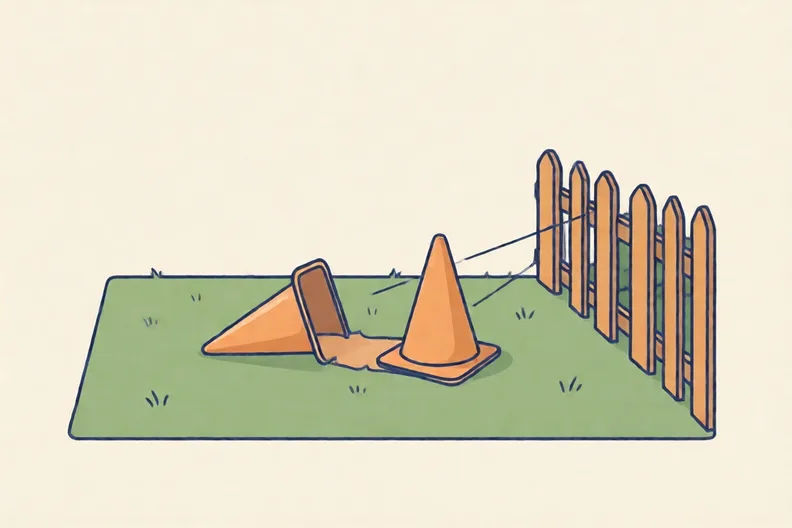
A lawn with a gap between two cones and a ball on a line to the fence
Mia says: “To send the ball into the gap, I only need to look at it. My body can stay facing the fence.”
  1. 1.

    What is wrong with Mia's idea? Write one sentence.

E Think deeper3 min

Batters and fielders both matter.

A soft ball lying in long grass beside a garden fence
  1. 1.

    A teammate misses the ball. Write one kind thing you could say to them.

How did it feel?

Tell your grown-up one thing that helped you aim, and one thing you will try next time.

I can do it Nearly Not yet
StudyDen · Year 3 · PE · Striking and fielding games: fielding vs battingAnswers are on the grown-up page

For the grown-up

Aim With Your Whole Body · 2 minutes to read

Answers, and what a wrong one tells you

A

1. Watch the ball Closing the eyes means the ball cannot be seen. Ask your child what the eyes need to do first when a ball is coming.

2. Swing your arms

3. Catch → Watch the ball into your hands; Throw → Point your front foot at the target; Run → Pump your arms

B

1. 1 Run to where the ball has stopped · 2 Pick up the ball with both hands · 3 Turn to face the marker · 4 Throw the ball back to the marker If the throw comes first, the ball is not in the hands yet. Ask your child what must happen before a throw can start.

C

1. Turn your whole body to face the gap Holding the ball higher does not change the direction. Ask your child which part of the body must face the gap.

2. Turn your whole body Looking only at the ball keeps the body facing the wrong way. Ask your child to point their chest at the gap before they strike.

3. 1 Look at the gap · 2 Turn your whole body · 3 Strike the ball · 4 Run to the next marker

4. Look for: A tally mark for each try where the ball went through the gap, and none where it missed.

D

1. Look for: Looking is not enough: the whole body must turn to face the gap, or the ball goes the wrong way. If your child agrees with Mia, ask them to aim with only the eyes, then with the whole body. Ask which one sends the ball into the gap.

E

1. Look for: A kind, helpful sentence that encourages a teammate and shows respect for them.

Words to use

Say“Where is the gap, and which way is your whole body facing?”
Instead of“Tell them to throw harder.”

After the sheet

In a clear garden, away from windows, set two jumpers four big steps apart to make a gap. Your child turns head, shoulders and feet towards the gap. They throw a soft ball into it three times while you watch. Ask: did your whole body turn, or only your head?

Tick what your child got right in StudyDen. Anything missed comes back in a later Look back box, so there's no need to redo the sheet.

The rest of this unit

5 more sheets come with a StudyDen plan, in teaching order:

  1. Aim Well with Underarm Throws(with a plan)
  2. Overarm throws with power(with a plan)
  3. Overarm or underarm?(with a plan)
  4. Batting with a plan(with a plan)
  5. Batting and fielding in play(with a plan)

Every Year 3 PE worksheet

The worksheets plan opens a printable sheet for every lesson in Years 1 to 6, each with its answers on a separate page for you. It costs £6.99 a month or £59 a year for the whole family, with no free trial.

The full StudyDen plan adds the lessons themselves, marked as your child works, with the worksheets included. It is 7 days free, then £29.99 a month.

Both start with a free account; you choose the plan when you sign up.