← Year 3 science worksheets

Year 3 Healthy eating worksheet

“Making or finding food” is free to print, with no account. It is the first sheet in the Year 3 science unit “Healthy eating”, for children aged 7 to 8, and takes about 20 minutes.

Print it on A4. The child's pages come first; the answers, and what each wrong answer tells you, are on the grown-up page that follows. Weeks 17 to 23 of the year, 12 sheets in the unit.

Free sample · answers on the last page

Making or finding food

Name: ____________ · Date: ____________
Year 3 · Science · about 20 minutes
Answers are on the grown-up page

Today I can explain why plants make their own food but animals must find or be given it.

A Look back3 min

  1. 1.

    Look at the life cycle. Which stage is the blank?

    seedadult plantflowers
    young planta rocka bicycle
  2. 2.

    A seed needs ___ to start growing. Which is it?

    seedsprout
    watera bicyclea football
  3. 3.

    Every animal needs ___ to stay alive. Which is it?

    living animalstays alive
    fooda bicyclea book

B Watch me, then you4 min

A pot plant sits on a sunny windowsill. Look at how it gets its food.

Watch me
sun, water and airleavesplant's own food

A plant takes in sunlight, water and air.

Its leaves use them to make food.

So a plant does not need to find food the way an animal does.

Now you
  1. 1.

    A rabbit cannot make its own food. What must it do?

    rabbitrabbit eats
    find or be given foodmake food in its leavesmake food from sunlight

C Your turn6 min

Sort, choose or match. Watch what changes from one row to the next.
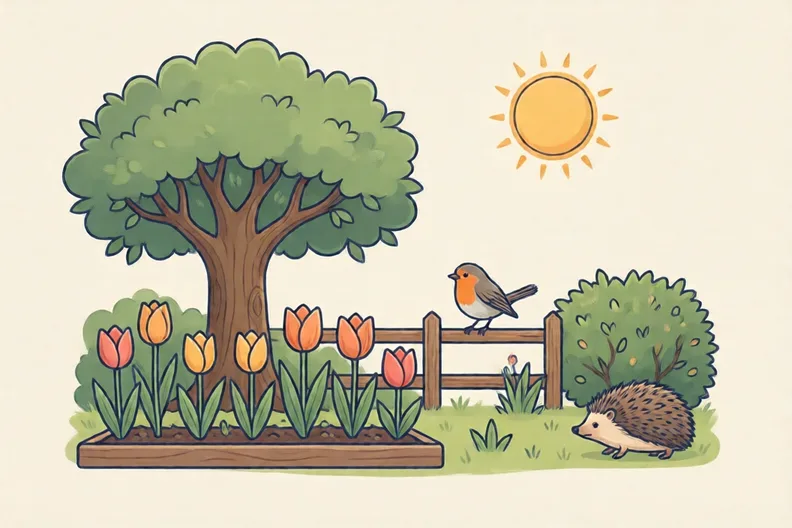
A sunny garden with an oak tree, a tulip, a robin on a fence and a hedgehog by a hedge
  1. 1.

    Write each card in the correct column of the table: oak tree, robin, tulip, hedgehog.

    oak treerobintuliphedgehog
    Makes its own foodFinds or is given food
  2. 2.

    Now sort these cards: sunflower, pet hamster, grass, zoo lion.

    sunflowerpet hamstergrasszoo lion
    Makes its own foodFinds or is given food
  3. 3.

    Which of these does a plant use to make its food?

    sunlighta bicyclea football
  4. 4.

    Join each living thing to what it does for food.

    plantanimal
    finds or is given foodmakes its own food

Say it out loud: What changed from one row to the next? Did the answer change with it?

D Spot the mistake3 min
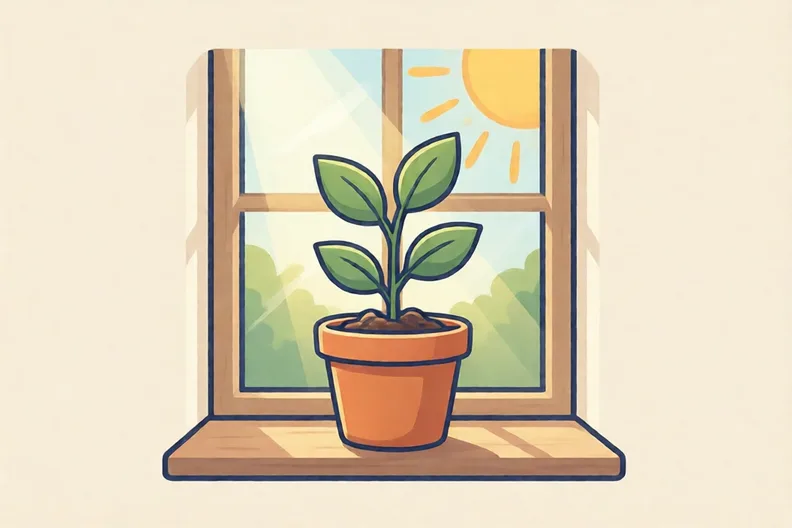
A small plant in a pot of soil on a sunny windowsill
Kit says: “A plant eats its dinner from the soil, like a pet eats from a bowl.”
  1. 1.

    Which sentence is true?

    A plant makes its own food in its leaves.A plant eats its food from the soil.

E Think deeper3 min
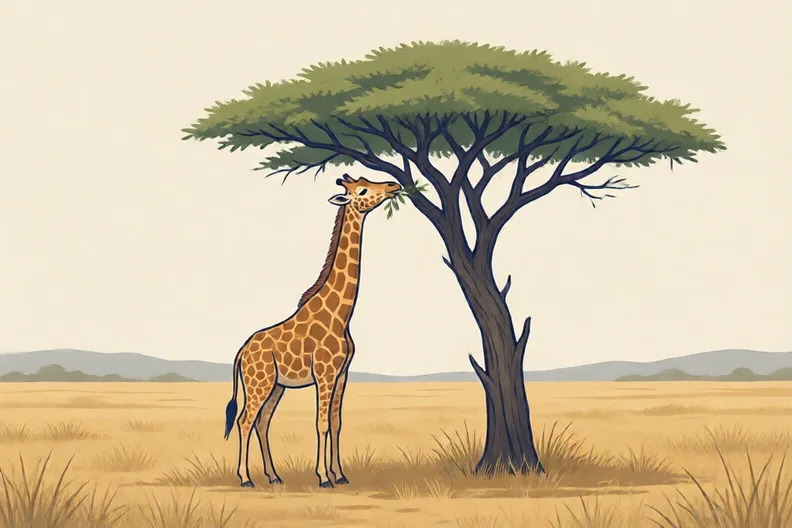
A giraffe reaching up to eat leaves from a flat-topped acacia tree on dry grass
  1. 1.

    Explain why the giraffe must eat leaves, but the acacia tree does not need to eat anything. Write in your own words.

How did it feel?

Think about the sheet. Which question was the trickiest? Tell your grown-up why.

I can do it Nearly Not yet
StudyDen · Year 3 · Science · Healthy eatingAnswers are on the grown-up page

For the grown-up

Making or finding food · 2 minutes to read

Answers, and what a wrong one tells you

A

1. young plant your child may have picked a card that is not a living thing. Trace the cycle with a finger from the seed and ask what grows next.

2. water

3. food

B

1. find or be given food your child may think animals make food like plants. Ask: does a rabbit have leaves? It must find food in its habitat.

C

1. Makes its own food: oak tree, tulip · Finds or is given food: robin, hedgehog your child may have put the oak tree with the animals, as if trees eat. Ask: what does a tree make from sunlight, air and water?

2. Makes its own food: sunflower, grass · Finds or is given food: pet hamster, zoo lion your child may have put the zoo lion with the plants. Ask: who gives the lion its food? Animals in a zoo are fed by people.

3. sunlight

4. plant → makes its own food; animal → finds or is given food your child may have joined the animal to making its own food. Ask: can a cat make food from sunlight?

D

1. A plant makes its own food in its leaves. your child may think the soil feeds the plant like a bowl. Soil gives water and minerals. The leaves make the food, using sunlight, air and water.

E

1. Look for: Says that animals cannot make their own food so the giraffe must eat, and that the tree makes food from sunlight, water and air.

Words to use

Say“Which part of the plant makes the food? Could a rabbit do that too?”
Instead of“Plants don't eat, so they don't need food at all.”

After the sheet

Look in the kitchen cupboard with your child. Sort five things into 'grown by a plant' and 'from an animal'. People cannot make food in their bodies, so talk about how your family gets each one.

Tick what your child got right in StudyDen. Anything missed comes back in a later Look back box, so there's no need to redo the sheet.

The rest of this unit

11 more sheets come with a StudyDen plan, in teaching order:

  1. What foods do for us(with a plan)
  2. Right Amounts, Not Equal(with a plan)
  3. Reading food labels(with a plan)
  4. Testing foods for fat(with a plan)
  5. Comparing Greasy Marks(with a plan)
  6. Building a balanced plate(with a plan)
  7. Fresh or processed?(with a plan)
  8. Different diets for different people(with a plan)
  9. Food for the future(with a plan)
  10. Where Our Food Comes From(with a plan)
  11. How far has food travelled?(with a plan)

Every Year 3 science worksheet

The worksheets plan opens a printable sheet for every lesson in Years 1 to 6, each with its answers on a separate page for you. It costs £6.99 a month or £59 a year for the whole family, with no free trial.

The full StudyDen plan adds the lessons themselves, marked as your child works, with the worksheets included. It is 7 days free, then £29.99 a month.

Both start with a free account; you choose the plan when you sign up.