← Year 3 science worksheets

Year 3 Rocks and soils worksheet

“Rock or made by people?” is free to print, with no account. It is the first sheet in the Year 3 science unit “Rocks and soils”, for children aged 7 to 8, and takes about 20 minutes.

Print it on A4. The child's pages come first; the answers, and what each wrong answer tells you, are on the grown-up page that follows. Weeks 1 to 6 of the year, 16 sheets in the unit.

Free sample · answers on the last page

Rock or made by people?

Name: ____________ · Date: ____________
Year 3 · Science · about 20 minutes
Answers are on the grown-up page

Today I can tell natural rock from materials that people have made.

A Look back3 min

  1. 1.

    Circle the animal that eats the grass and is eaten by the fox.

    grassfox
    rabbitsunfox
  2. 2.

    Circle the stage that comes after the young plant.

    seedyoung plantflower
    adult plantseedflower
  3. 3.

    Circle the material that has the most spoons.

    Spoons in a bag0123456woodmetalplastic
    woodmetalplastic

B Watch me, then you4 min

Sam sorts things he finds in his garden. He makes a tally. Natural rock is on one line and human-made things are on the other.
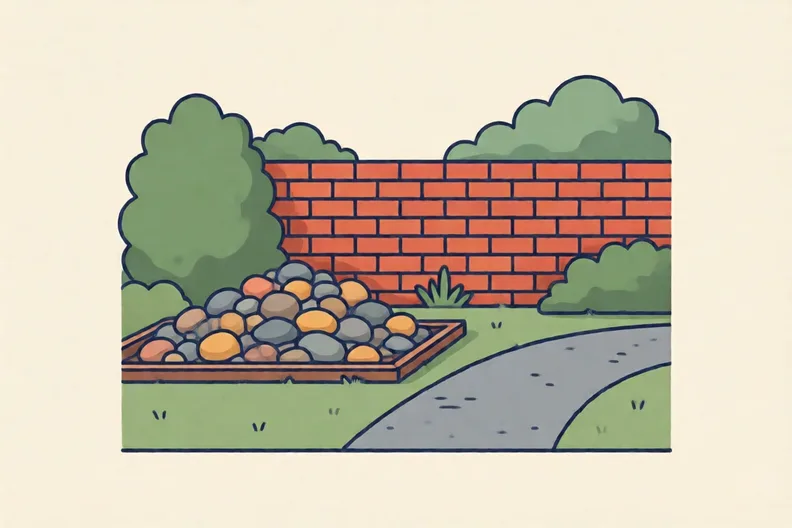
A back garden with a stone path, a brick wall and a grey tarmac path
Watch me
natural rockhuman-made

Sam finds 3 pebbles. They came out of the ground, so they are natural rock.

He finds a brick and a concrete slab. People made them, so they are human-made.

He makes 3 marks on the natural rock line and 2 on the human-made line.

Now you
  1. 1.

    Ella finds 2 pebbles, a brick, a lump of granite and a piece of tarmac. How many of her things are natural rock?

    natural rockhuman-made

C Your turn8 min

Look at the garden picture. Sort the things, then answer the questions.
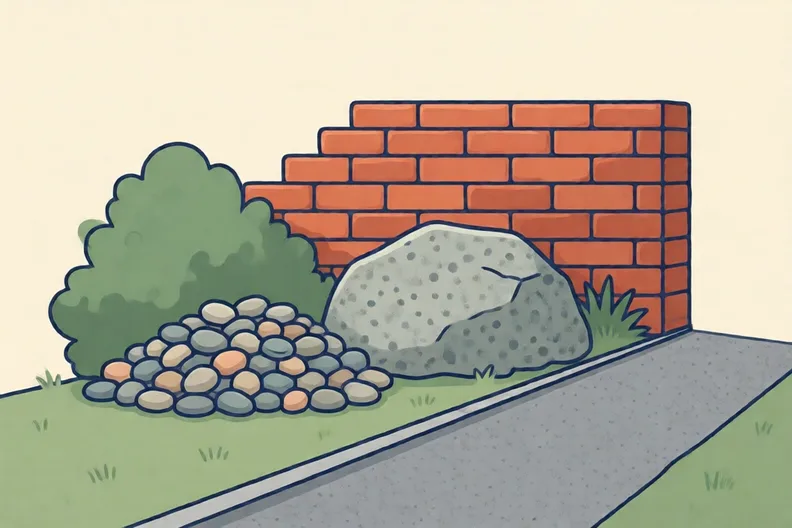
A back garden with pebbles in a bed, a big granite boulder, a brick wall and a grey tarmac path
  1. 1.

    Write each thing in the right column.

    pebblegranite boulderbricktarmac
    Natural rockHuman-made
  2. 2.

    Circle the one that is natural.

    a bricka pebble from the beacha concrete path
  3. 3.

    Leo finds 3 pebbles, 4 bricks and a concrete slab. How many of his things are human-made?

    natural rockhuman-made
  4. 4.

    Circle the material that comes out of a quarry.

    granitebrickstarmac

Say it out loud: What makes something natural? What makes something human-made? Say the difference in your own words.

D Spot the mistake3 min
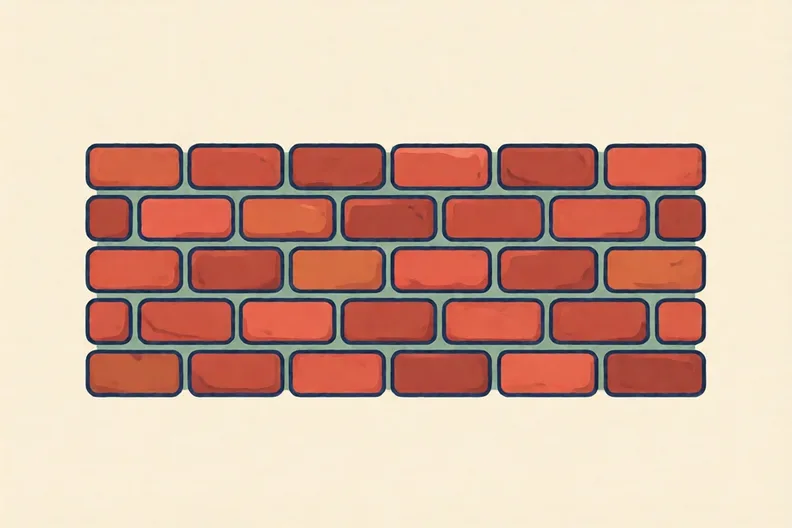
A row of red bricks stacked in a wall
Kit says: “Bricks are a kind of rock, so nobody made them.”
  1. 1.

    Is Kit right? Explain why.

E Think deeper4 min
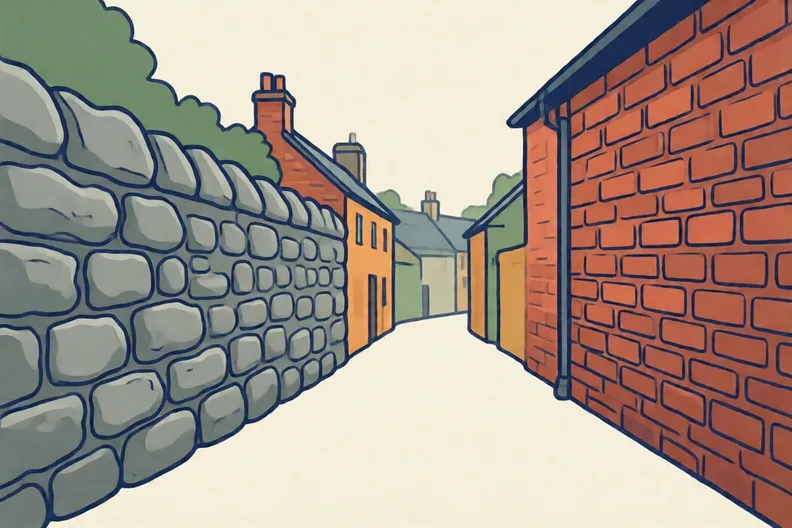
A stone wall next to a brick wall in a village lane
  1. 1.

    Which wall is made of natural rock? Explain how you know. Use the word natural in your answer.

How did it feel?

I can do it Nearly Not yet
StudyDen · Year 3 · Science · Rocks and soilsAnswers are on the grown-up page

For the grown-up

Rock or made by people? · 2 minutes to read

Answers, and what a wrong one tells you

A

1. rabbit If your child circles the fox, the arrow shows who eats whom. The fox is the last animal in the chain, so it is not the one that eats grass. Trace the arrows from the grass.

2. adult plant

3. plastic If your child circles wood, they may have picked the first bar. Ask which bar reaches the highest number on the scale.

B

1. 3

C

1. Human-made: brick, tarmac · Natural rock: pebble, granite boulder If your child puts brick in the natural column, they may think bricks are a kind of rock. Ask who made the brick and where it came from.

2. a pebble from the beach

3. 5

4. granite If your child circles bricks or tarmac, they may think people-made materials come from the ground. Ask who makes bricks and tarmac, and where granite is dug out.

D

1. Look for: Says Kit is wrong and that bricks are made by people from clay and baked, not natural rock from the ground. If your child says Kit is right, ask: who made this brick, and did it come out of a quarry? Then look at the brick together.

E

1. Look for: Names the stone wall as natural rock and gives a reason, such as the stones came from the ground, and says bricks are made by people.

Words to use

Say“Which of these came out of the ground, and which did people make? How do you know?”
Instead of“Tell them the answer straight away, without letting them look and decide.”

After the sheet

Walk round the house or garden with them. Sort three things into natural and made by people, and say why for each one.

Tick what your child got right in StudyDen. Anything missed comes back in a later Look back box, so there's no need to redo the sheet.

The rest of this unit

15 more sheets come with a StudyDen plan, in teaching order:

  1. How rocks look(with a plan)
  2. Testing how hard rocks are(with a plan)
  3. Scratch tests for hardness(with a plan)
  4. Does water soak through?(with a plan)
  5. Rocks in everyday things(with a plan)
  6. Breaking or moving?(with a plan)
  7. How fossils form(with a plan)
  8. Fossils from living things(with a plan)
  9. Mary Anning, fossil hunter(with a plan)
  10. What is soil made of?(with a plan)
  11. Different types of soil(with a plan)
  12. Weather or climate?(with a plan)
  13. Planning a Soil Test(with a plan)
  14. Soil and water tests(with a plan)
  15. Working Like a Geologist(with a plan)

Every Year 3 science worksheet

The worksheets plan opens a printable sheet for every lesson in Years 1 to 6, each with its answers on a separate page for you. It costs £6.99 a month or £59 a year for the whole family, with no free trial.

The full StudyDen plan adds the lessons themselves, marked as your child works, with the worksheets included. It is 7 days free, then £29.99 a month.

Both start with a free account; you choose the plan when you sign up.