← Year 3 science worksheets

Year 3 What plants do and what they need worksheet

“Planning a Fair Test” is free to print, with no account. It is the first sheet in the Year 3 science unit “What plants do and what they need”, for children aged 7 to 8, and takes about 20 minutes.

Print it on A4. The child's pages come first; the answers, and what each wrong answer tells you, are on the grown-up page that follows. Weeks 23 to 30 of the year, 15 sheets in the unit.

Free sample · answers on the last page

Planning a Fair Test

Name: ____________ · Date: ____________
Year 3 · Science · about 20 minutes
Answers are on the grown-up page

Today I can plan a fair test to find out what a plant needs.

A Look back3 min

  1. 1.

    The arrows point to the eater. Write the missing animal in the empty box.

    grassrabbit
  2. 2.

    How many more tally marks does Rose have than Fern?

    OakRoseFern
  3. 3.

    Circle the colour a healthy leaf is usually.

    greenbrown

B Watch me, then you5 min

Sam wants to know if water helps cress grow. He plants two cress seeds in two identical pots, with the same soil and light.

Watch me
Cress height after 7 days (cm)012345678With waterNo water

The question is: does water help cress grow?

Change only the water. Keep the soil, pot, light and warmth the same.

Measure the height. The pot with water has grown taller.

Now you
  1. 1.

    Ali wants to know if a bean grows better in a warm room or a cold room. Which thing should Ali change? Circle it.

    0°C5°C10°C15°C20°C25°C30°C
    warmthsoilpot sizewater

C Your turn6 min

Look at the two pots. Read each row and decide what changes and what stays the same.
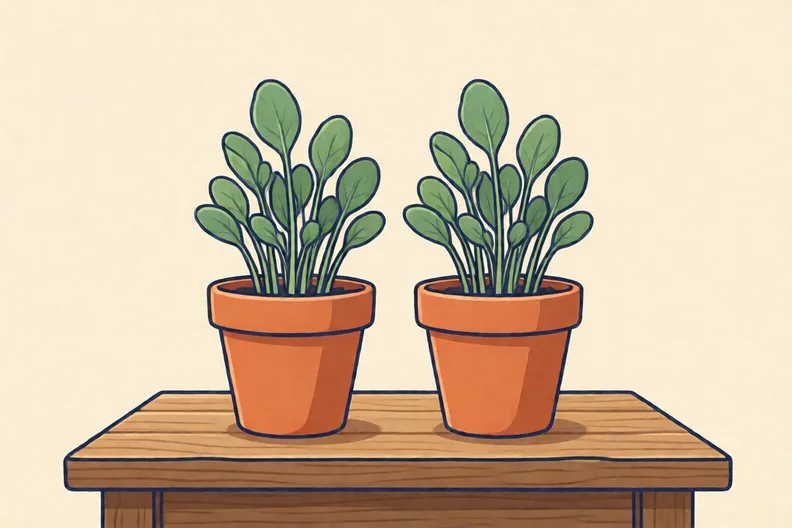
Two identical small pots of cress seedlings side by side on a table
  1. 1.

    Pot A is in the sun. Pot B is in a dark cupboard. Everything else is the same. What is changed? Circle it.

    lightwatersoilpot size
  2. 2.

    Pot A gets a little water each day. Pot B gets lots of water. What is changed? Circle it.

    waterlightsoil
  3. 3.

    A test asks: does water help cress grow? Sort these into the table.

    the amount of waterthe type of soilthe size of the potthe amount of light
    We changeWe keep the same
  4. 4.

    Pot A gets water and is in the sun. Pot B gets no water and is in the dark. The test is about water. Is this a fair test? Circle your answer.

    YesNo

Say it out loud: Each time, ask yourself: how many things are different between the pots?

D Spot the mistake3 min
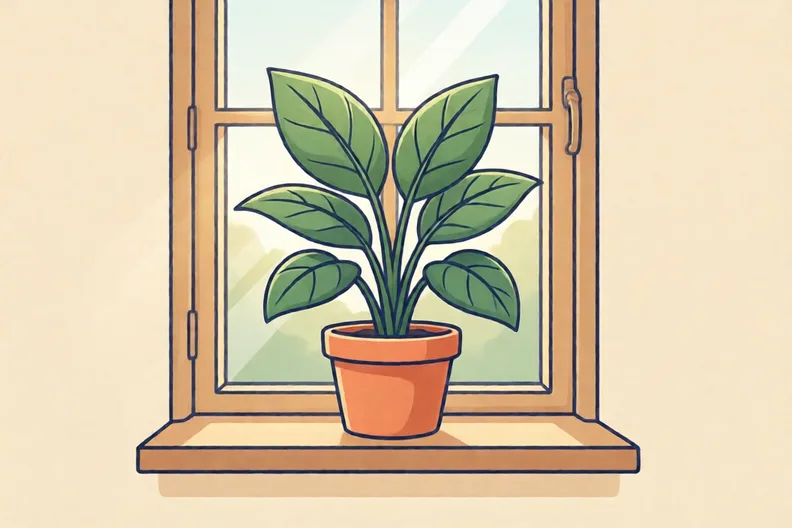
A small potted plant on a sunny windowsill with its leaves spread wide
Ali says: “A plant is not alive, because it cannot walk around.”
  1. 1.

    Explain why Ali is wrong.

E Think deeper4 min

Think of a question about whether air matters to a plant.
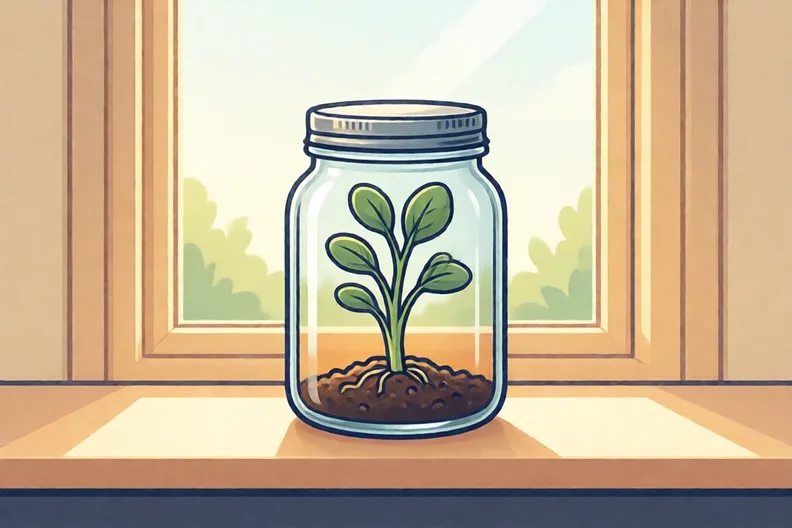
A small cress plant inside a clear jar with a lid, on a windowsill
  1. 1.

    Plan a test to find out if a plant needs air. Write the one thing you change, one thing you keep the same, and what you measure.

How did it feel?

I can do it Nearly Not yet
StudyDen · Year 3 · Science · What plants do and what they needAnswers are on the grown-up page

For the grown-up

Planning a Fair Test · 2 minutes to read

Answers, and what a wrong one tells you

A

1. Look for: fox, the animal that eats the rabbit

2. 5 If they wrote 9, they added 7 and 2. Ask: is this a question about how many more, so do we add or take away?

3. green If they circled brown, ask them to look at the leaves on a plant outside or in the kitchen. Which colour are most of them?

B

1. warmth If they circled soil, they have picked something that must stay the same. Ask: what is the test about?

C

1. light If they circled water, ask: did both pots get the same water? Then ask which pot is in the sun.

2. water If they circled soil, ask what the two pots are standing in. Both have the same soil, so soil is kept the same.

3. We change: the amount of water · We keep the same: the type of soil, the size of the pot, the amount of light If they put light in the change column, ask: is the light different between the two pots? If it is the same, it stays in the keep column.

4. No If they said yes, ask: how many things are different between the two pots? A fair test changes only one thing.

D

1. Look for: Plants are alive because they grow and make new plants, even though they cannot walk around. If they say plants are alive because they need water, praise the idea, then ask what living things do: grow, respond, and make new plants.

E

1. Look for: A plan that changes one thing, keeps the other conditions the same, and names what is measured.

Words to use

Say“What is the one thing you changed? What did you keep the same so the test is fair?”
Instead of“Tell them the answer, that plants need water, before they have planned the test.”

After the sheet

Plant two cress seeds in two identical cups of damp cotton wool. Put one by a window and one in a cupboard. Measure the height of each every day and draw a bar chart.

Tick what your child got right in StudyDen. Anything missed comes back in a later Look back box, so there's no need to redo the sheet.

The rest of this unit

14 more sheets come with a StudyDen plan, in teaching order:

  1. Setting up a fair test(with a plan)
  2. Soil, nutrients and fertiliser(with a plan)
  3. How leaves make food(with a plan)
  4. How roots work(with a plan)
  5. Why plants need roots(with a plan)
  6. How Water Moves Up a Plant(with a plan)
  7. Recording and predicting plants(with a plan)
  8. What flowers are for(with a plan)
  9. Parts of a flower(with a plan)
  10. How flowers spread pollen(with a plan)
  11. Seeds on the move(with a plan)
  12. The flowering plant life cycle(with a plan)
  13. Plant needs final review(with a plan)
  14. Plants and their homes(with a plan)

Every Year 3 science worksheet

The worksheets plan opens a printable sheet for every lesson in Years 1 to 6, each with its answers on a separate page for you. It costs £6.99 a month or £59 a year for the whole family, with no free trial.

The full StudyDen plan adds the lessons themselves, marked as your child works, with the worksheets included. It is 7 days free, then £29.99 a month.

Both start with a free account; you choose the plan when you sign up.