← Year 3 science worksheets

Year 3 Introduction to light and shadows worksheet

“Light and seeing” is free to print, with no account. It is the first sheet in the Year 3 science unit “Introduction to light and shadows”, for children aged 7 to 8, and takes about 20 minutes.

Print it on A4. The child's pages come first; the answers, and what each wrong answer tells you, are on the grown-up page that follows. Weeks 31 to 36 of the year, 12 sheets in the unit.

Free sample · answers on the last page

Light and seeing

Name: ____________ · Date: ____________
Year 3 · Science · about 20 minutes
Answers are on the grown-up page

Today I can explain that we need light in order to see things.

A Look back3 min

  1. 1.

    Grass is eaten by a rabbit. The rabbit is eaten by a . Circle the animal.

    grassrabbit
    foxgrasssun
  2. 2.

    Circle the pet that most children in the class have.

    Pets in our class0123456CatDogFish
    CatDogFish
  3. 3.

    A seed is the first stage of a plant’s life. Circle the stage that comes next.

    seedplant
    sproutrockcloud

B Watch me, then you4 min

Mia looks into a cupboard full of toys in a dark room with no windows. First her torch is on. Then she switches it off.

Watch me
Toys Mia can see02468Torch onTorch off

With the torch on, Mia can see 8 toys.

With the torch off, she can see 0 toys.

No light means no sight.

Now you
  1. 1.

    Leo is in a room with no windows. He can see 4 socks with the lamp on. With the lamp off, how many can he see?

    Things Leo can see012345Lamp onLamp off

C Your turn6 min

Ali wants to read his book in different rooms. Think about the light in each one.
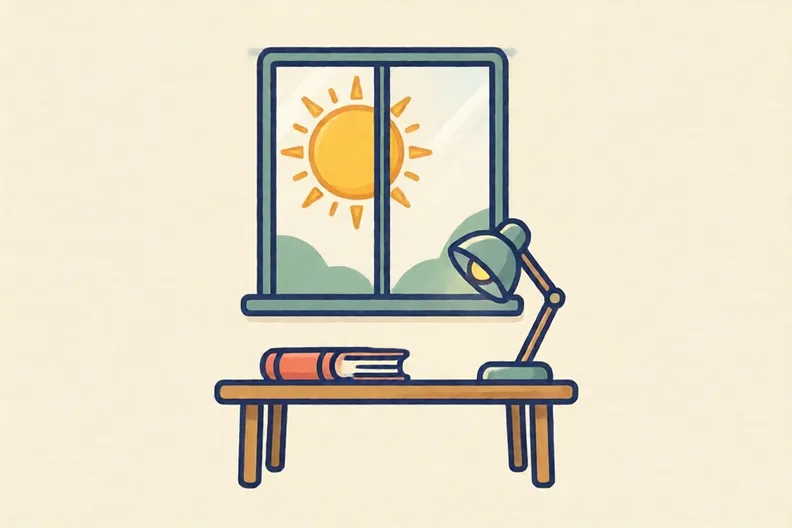
A bedroom with a window showing bright sunshine and a lamp in the corner switched off
  1. 1.

    Put each card in the right column of the table.

    lamp switched ontorch switched offsun shining through the windowshut cupboard with no gap for light
    Light to see byNo light
  2. 2.

    Ali is in a closed room with no windows. He turns the lamp off. Can he see his book now? Circle one.

    Yes, he can still see it.No, he cannot see it.
  3. 3.

    Ali is in a room with a window in daylight. The lamp is off. Can he see his book now? Circle one.

    Yes, he can see it.No, he cannot see it.
  4. 4.

    Join each word to the right meaning. Draw a line from each word to its meaning.

    eyelightdark
    a place with no light at allthe body part we use to seesomething our eyes detect so we can see

Say it out loud: Look at the two questions about Ali's book. What changed, and why could he see it only once?

D Spot the mistake3 min
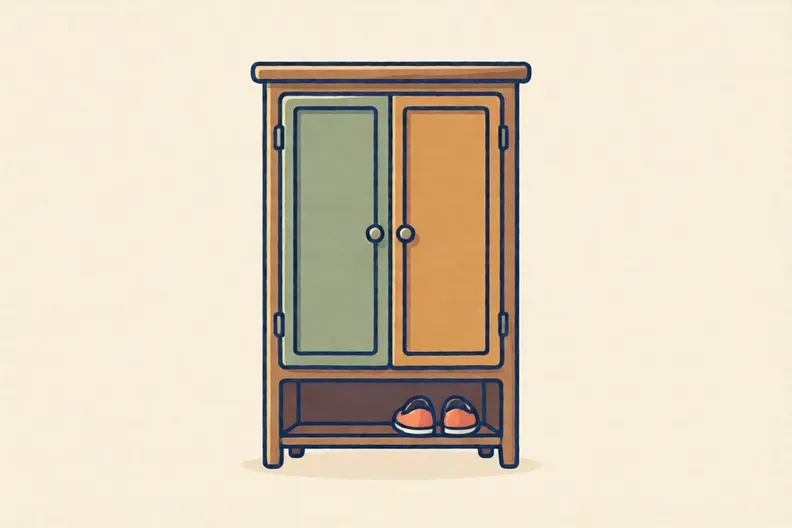
A wooden cupboard door closed tight, with a pair of shoes on the floor behind it
Kit says: “My eyes work in a dark cupboard, so I can see my shoes even with the door shut.”
  1. 1.

    Why is Kit wrong? Write one reason.

E Think deeper4 min

Toys seen in a box (made-up test)0123456Lid openLid shut
  1. 1.

    Write two things that give out light. Then use the chart to say how you know a toy in a box needs light to be seen.

How did it feel?

I can do it Nearly Not yet
StudyDen · Year 3 · Science · Introduction to light and shadowsAnswers are on the grown-up page

For the grown-up

Light and seeing · 2 minutes to read

Answers, and what a wrong one tells you

A

1. fox

2. Dog

3. sprout

B

1. 0 If they give the lamp-on number, ask: what happens to the light when the lamp goes off?

C

1. No light: torch switched off, shut cupboard with no gap for light · Light to see by: lamp switched on, sun shining through the window If a card is in the wrong column, ask: is any light reaching Ali’s eyes from that thing?

2. No, he cannot see it. If they say yes, ask: what is left in the room to reach Ali’s eyes once the lamp is off?

3. Yes, he can see it. If they say no, ask: where is the light coming from, and does it reach the book?

4. eye → the body part we use to see; light → something our eyes detect so we can see; dark → a place with no light at all If they join eye to the meaning about what our eyes detect, ask: which of these is a part of your body?

D

1. Look for: Eyes need light to detect things; in total darkness no light reaches the eyes, so nothing can be seen. If they say Kit is right, ask: what does Mia's torch do in the cupboard? Then ask what happens when it goes off.

E

1. Look for: Two light sources such as the sun, a lamp or a torch, plus a reason from the chart: with the lid shut no light gets in, so no toys can be seen.

Words to use

Say“What light did you need to see the toy? What happens to the seeing when the light goes off?”
Instead of“Tell them the answer straight away.”

After the sheet

Make a dark den with a blanket over a table. Crawl in for 30 seconds, then shine a torch in and say what you can see.

Tick what your child got right in StudyDen. Anything missed comes back in a later Look back box, so there's no need to redo the sheet.

The rest of this unit

11 more sheets come with a StudyDen plan, in teaching order:

  1. Light sources, natural and made(with a plan)
  2. Planning a sunglasses test(with a plan)
  3. Reading UV results and writing a conclusion(with a plan)
  4. Light through materials(with a plan)
  5. Making shadows(with a plan)
  6. Planning a Shadow Test(with a plan)
  7. Measuring shadows at different distances(with a plan)
  8. Shadow size review(with a plan)
  9. Planning a reflection test(with a plan)
  10. Testing reflected light and reviewing it(with a plan)
  11. Too much light at night(with a plan)

Every Year 3 science worksheet

The worksheets plan opens a printable sheet for every lesson in Years 1 to 6, each with its answers on a separate page for you. It costs £6.99 a month or £59 a year for the whole family, with no free trial.

The full StudyDen plan adds the lessons themselves, marked as your child works, with the worksheets included. It is 7 days free, then £29.99 a month.

Both start with a free account; you choose the plan when you sign up.