← Year 4 art worksheets

Year 4 Dream portraits: drawing and digital design worksheet

“Words and pictures about art” is free to print, with no account. It is the first sheet in the Year 4 art unit “Dream portraits: drawing and digital design”, for children aged 8 to 9, and takes about 22 minutes.

Print it on A4. The child's pages come first; the answers, and what each wrong answer tells you, are on the grown-up page that follows. Weeks 16 to 21 of the year, 6 sheets in the unit.

Free sample · answers on the last page

Words and pictures about art

Name: ____________ · Date: ____________
Year 4 · Art & design · about 22 minutes
Answers are on the grown-up page

Today I can give a visual response to a surreal painting, as well as a verbal one.

A Look back3 min

  1. 1.

    A tone ladder has 5 steps, from lightest to darkest. Which step is the darkest?

    lightestdarkest
  2. 2.

    Mix red and yellow. Which colour do you get? Circle the answer.

    redyellow
    orangegreenpurplebrown
  3. 3.

    Which of these is a primary colour? Circle the answer.

    bluegreen
    orangebluegreenpurple

B Watch me, then you5 min

Dalí painted melting clocks. Magritte painted a man with an apple over his face. Carrington painted creatures at meals in castles. Kahlo painted herself with monkeys and parrots. Then Ola looks at a stretched pear.
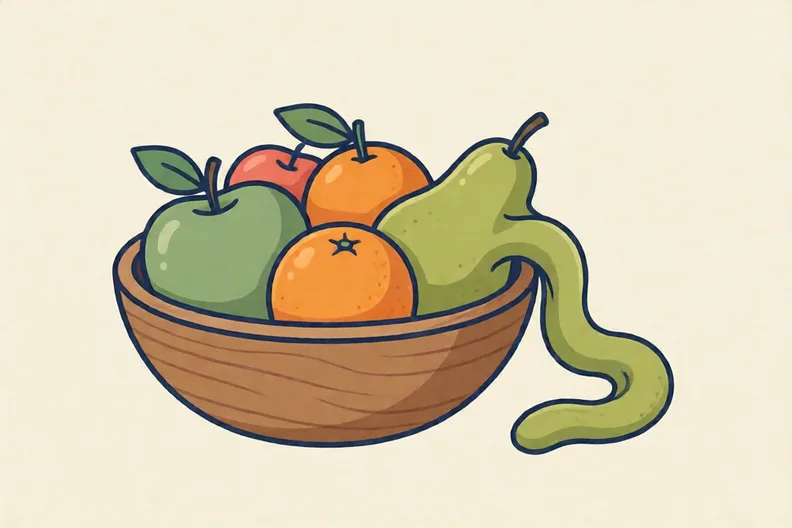
A bowl of fruit where one pear has stretched into a long, wobbly shape
Watch me
A bowl of fruit where one pear has stretched into a long, wobbly shape

Ola says: I noticed the pear is stretched and wobbly.

Ola draws the pear long and floppy, sitting on the edge of a chair.

Ola writes one sentence: It is unusual because a real pear cannot stretch like that.

Now you
  1. 1.

    Draw a line from each artist to the painting they made.

    Salvador DalíRené MagritteLeonora CarringtonFrida Kahlo
    her pet monkeys and parrotsmelting clocks on a tablecreatures sharing meals in castlesa suited man with an apple over his face

C Your turn6 min

Sort, choose and write. Look at the dream island picture for the last question.
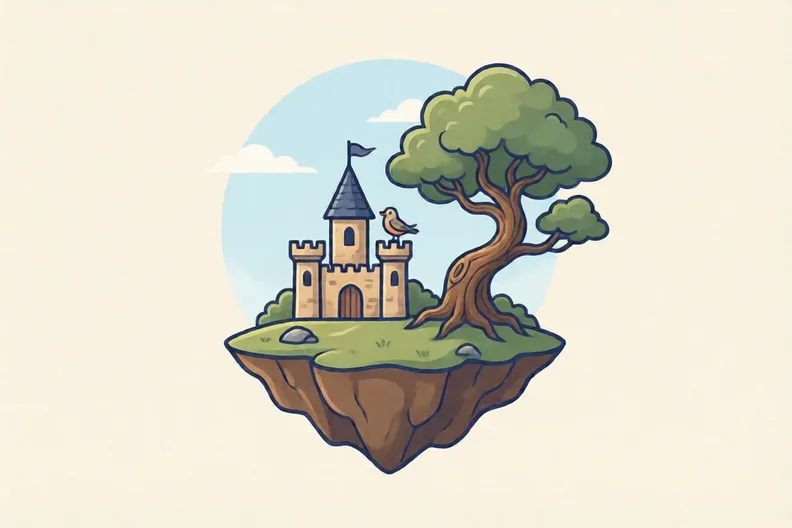
A small floating island with a castle and a bird in a pale sky
  1. 1.

    Sort each card. Is it a response in words, or a response as a drawing or image?

    The castle floats, which is strange.A small sketch of a floating castle.A sentence: It is unusual because.A quick sketch of a long-necked bird.
    WordsDrawing or image
  2. 2.

    Which key word means your own view of an artwork? Circle the answer.

    opinioncoloursketchframe
  3. 3.

    Red and blue make which colour? Circle the answer.

    redblue
    greenorangepurplepink
  4. 4.

    Look at the dream island. Pick one thing on it. Draw it bigger than it really is. Then write one sentence about it.

Say it out loud: What changed from one card to the next? Was it the words, or the way the response was made?

D Spot the mistake3 min
An open sketchbook beside a jar of pencils on a wooden table
Kit says: “Only words can show what you think about a painting.”
  1. 1.

    Why is Kit wrong? Write one sentence.

E Think deeper4 min

  1. 1.

    Imagine the floating island painted in strange dream colours. Choose colours from these swatches. Sketch a tiny version, then write why those colours feel dreamy.

    redyellowblue

How did it feel?

I can do it Nearly Not yet
StudyDen · Year 4 · Art & design · Dream portraits: drawing and digital designAnswers are on the grown-up page

For the grown-up

Words and pictures about art · 2 minutes to read

Answers, and what a wrong one tells you

A

1. 5

2. orange

3. blue

B

1. Salvador Dalí → melting clocks on a table; René Magritte → a suited man with an apple over his face; Leonora Carrington → creatures sharing meals in castles; Frida Kahlo → her pet monkeys and parrots If they match by guessing, reread the intro aloud, one artist at a time. Ask which painting they can picture for each name.

C

1. Words: The castle floats, which is strange., A sentence: It is unusual because. · Drawing or image: A small sketch of a floating castle., A quick sketch of a long-necked bird. If a drawing is in the words column, ask: could someone see your view without reading? Then it is a visual response.

2. opinion

3. purple

4. Look for: A drawing of one object from the island, drawn bigger than it really is, and a sentence saying what it is doing or why it is strange.

D

1. Look for: A sentence saying a drawing or image can also show an opinion, so words are not the only way. Kit thinks only words count. Ask them to name one other way to show a view, such as a quick sketch.

E

1. Look for: A small sketch of the island in colours from the swatches, and a sentence saying why those colours feel dreamy or surprising.

Words to use

Say“Which artist did you match first, and what made you sure?”
Instead of“Tell them the matches straight away, or say a drawing is not a proper way to answer.”

After the sheet

Look at a picture in a book together. Each say one sentence, then sketch one thing you noticed on scrap paper and compare.

Tick what your child got right in StudyDen. Anything missed comes back in a later Look back box, so there's no need to redo the sheet.

The rest of this unit

5 more sheets come with a StudyDen plan, in teaching order:

  1. Draw a Text Dream(with a plan)
  2. Shapes Before Outlines(with a plan)
  3. Adding Light and Dark Tone(with a plan)
  4. Dreamscape Collage Choices(with a plan)
  5. Dreamscapes on a Screen(with a plan)

Every Year 4 art worksheet

The worksheets plan opens a printable sheet for every lesson in Years 1 to 6, each with its answers on a separate page for you. It costs £6.99 a month or £59 a year for the whole family, with no free trial.

The full StudyDen plan adds the lessons themselves, marked as your child works, with the worksheets included. It is 7 days free, then £29.99 a month.

Both start with a free account; you choose the plan when you sign up.