← Year 4 art worksheets

Year 4 Local landscape : painting worksheet

“Photograph a Local Landscape” is free to print, with no account. It is the first sheet in the Year 4 art unit “Local landscape : painting”, for children aged 8 to 9, and takes about 20 minutes.

Print it on A4. The child's pages come first; the answers, and what each wrong answer tells you, are on the grown-up page that follows. Weeks 10 to 15 of the year, 6 sheets in the unit.

Free sample · answers on the last page

Photograph a Local Landscape

Name: ____________ · Date: ____________
Year 4 · Art & design · about 20 minutes
Answers are on the grown-up page

Today I can plan and take a photo of a local landscape using the rule of thirds.

A Look back3 min

  1. 1.

    Circle the primary colours.

    redgreenyellowpurpleblue
  2. 2.

    Red and yellow mixed together make which colour?

    redyellow
    orangepurplegreen
  3. 3.

    Which paint makes a lighter tone: paint with lots of white, or paint with lots of black?

    lightestdarkest
    lots of whitelots of black

B Watch me, then you4 min

Ali takes a photo of a bridge over a canal. The bridge is the main thing he wants to show.
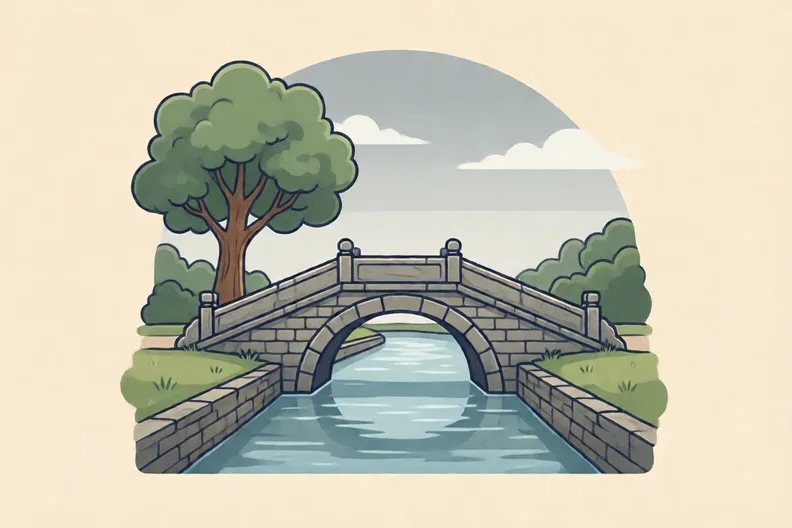
A stone footbridge over a calm canal with a tree on the bank
Watch me

Two lines across and two lines down split the photo into nine equal parts.

Ali lines the bridge up with the right-hand dividing line, not dead centre.

The bridge now sits off-centre, so the photo feels balanced.

Now you
  1. 1.

    Mia photographs a hill. Which place for the hill follows the rule of thirds best? Circle one.

    in the dead centrealong one of the dividing linesright at the very top edge

C Your turn7 min

The sun moves, so the picture changes. Look at the park scene, then read each row and circle the answer.
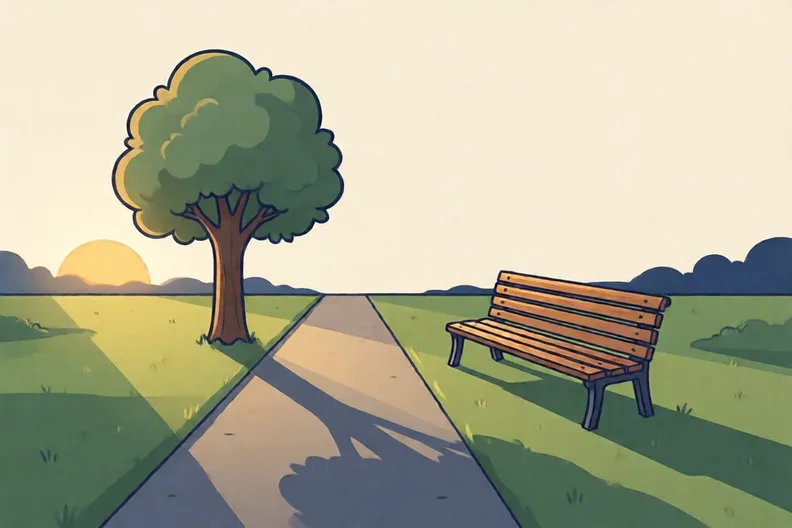
A park path with a tree and a bench, with long shadows on the grass
  1. 1.

    The sun is behind you. What does your subject look like? Circle one.

    bright and easy to seea dark shape
  2. 2.

    The sun is to one side of the scene. What does this make? Circle one.

    shadows that add depthno shadows at all
  3. 3.

    The sun is low behind the tree, shining towards you. What does the tree become? Circle one.

    a dark silhouette against bright skya bright, detailed close-up
  4. 4.

    Sam puts a tree dead centre. Should he move it, following the rule of thirds? Circle one.

    yes, move it to a lineno, dead centre is best

Say it out loud: What changed from the first row to the last, and what stayed the same?

D Spot the mistake3 min
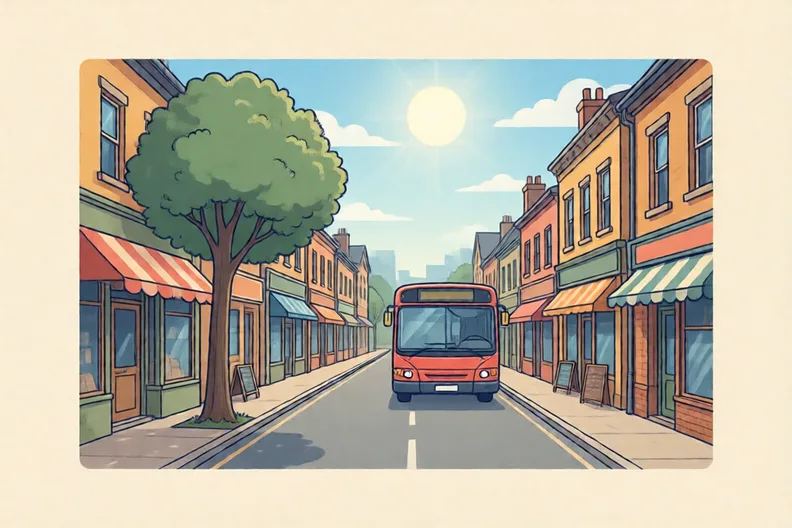
A town street with shop fronts, a bus and a tree by the pavement
Kit says: “A street in a town has no natural things in it, so it cannot be a landscape.”
  1. 1.

    Is Kit right? Explain in one sentence.

E Think deeper4 min

  1. 1.

    Describe a local view you could photograph. Say where you would put the main thing and why, using the rule of thirds.

How did it feel?

I can do it Nearly Not yet
StudyDen · Year 4 · Art & design · Local landscape : paintingAnswers are on the grown-up page

For the grown-up

Photograph a Local Landscape · 2 minutes to read

Answers, and what a wrong one tells you

A

1. red, yellow, blue If your child circles green or purple, explain these are mixed colours. Ask which colours they could mix to make green.

2. orange If your child chooses green, they may have used blue. Ask them to mix red and yellow again on paper and look at the new colour.

3. lots of white

B

1. along one of the dividing lines If your child chooses dead centre, say the rule asks us to avoid the middle. Ask them to slide the hill towards a dividing line.

C

1. bright and easy to see If your child chooses a dark shape, ask them where the sun is. A subject with the sun behind the camera faces the light.

2. shadows that add depth

3. a dark silhouette against bright sky

4. yes, move it to a line

D

1. Look for: Says Kit is wrong and that urban landscapes can include natural features such as trees. If your child agrees with Kit, ask them to point to the tree. Ask whether a tree is human-made or natural, and whether a town can have one.

E

1. Look for: Names a local view, says where the main thing goes, and links the place to the lines or thirds.

Words to use

Say“Where did you put the main thing in your photo, and why?”
Instead of“That looks lovely, just take a photo, it will be fine.”

After the sheet

Step outside or look through a window with a phone. Take two photos of the same view: one with the subject in the middle, one with it on a third line. Look at both together and talk about which feels more balanced.

Tick what your child got right in StudyDen. Anything missed comes back in a later Look back box, so there's no need to redo the sheet.

The rest of this unit

5 more sheets come with a StudyDen plan, in teaching order:

  1. Shapes, lines and patterns(with a plan)
  2. Tints, shades and brush marks(with a plan)
  3. Borrowing from other artists(with a plan)
  4. Plan Your Landscape Painting(with a plan)
  5. Tints, shades and stepping back(with a plan)

Every Year 4 art worksheet

The worksheets plan opens a printable sheet for every lesson in Years 1 to 6, each with its answers on a separate page for you. It costs £6.99 a month or £59 a year for the whole family, with no free trial.

The full StudyDen plan adds the lessons themselves, marked as your child works, with the worksheets included. It is 7 days free, then £29.99 a month.

Both start with a free account; you choose the plan when you sign up.