← Year 4 PSHE worksheets

Year 4 PSHE: Autumn 2 worksheet

“Where Does This Sit?” is free to print, with no account. It is the first sheet in the Year 4 PSHE unit “PSHE: Autumn 2”, for children aged 8 to 9, and takes about 22 minutes.

Print it on A4. The child's pages come first; the answers, and what each wrong answer tells you, are on the grown-up page that follows. Weeks 7 to 12 of the year, 6 sheets in the unit.

Free sample · answers on the last page

Where Does This Sit?

Name: ____________ · Date: ____________
Year 4 · PSHE · about 22 minutes
Answers are on the grown-up page

Today I can decide where a relationship sits on the spectrum by spotting clues.

A Look back3 min

  1. 1.

    Lena feels very worried and shaky before she goes into class. On the feelings scale, is that nearer the sunny end or the stormy end? Circle one.

    sunny endstormy end
  2. 2.

    A friend always takes the first turn and says, “Your ideas are silly.” Which light shows this is not respectful? Circle one.

    green lightred light
  3. 3.

    Mia's friends make lunch plans and forget to tell her. Which light fits: green for all fine, or yellow for a little worry? Circle one.

    greenyellow

B Watch me, then you4 min

At Ruby's kitchen table, her friend Pip always picks the game. When Ruby suggests one, Pip says, “That's rubbish, we're doing mine.” Where does this sit on the scale?
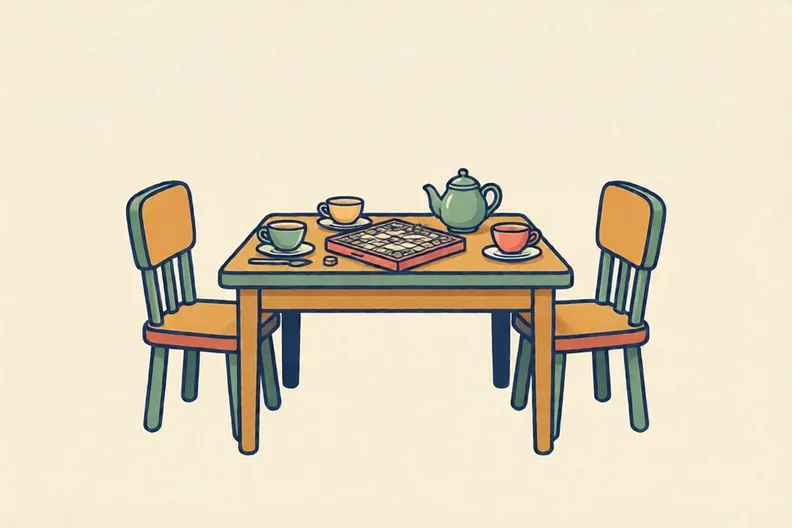
A kitchen table set for tea with two chairs pulled out, no people
Watch me

Clue 1: Ruby is not allowed to choose the game.

Clue 2: Her idea is called rubbish, so she feels small.

Both clues point to the stormy end.

Now you
  1. 1.

    Kofi's friend says sorry and lets Kofi choose the game next time. Circle the end this sits nearer to.

    sunny endstormy end

C Your turn7 min

Read each story. Circle the end it sits nearer to, or circle cannot tell if there is not enough information.
An empty playground swing set in a park on a sunny afternoon, no people
  1. 1.

    Ava and Noor always take turns on the swing. Each time, they ask how the other's day was. Circle one.

    sunny endstormy endcannot tell from this
  2. 2.

    Every time Sam says no, Jay sulks until Sam gives in. Circle one.

    Sam says noJay sulksSam gives in
    sunny endstormy endcannot tell from this
  3. 3.

    Ella is kind at lunch on Monday. On Tuesday she says Ruth cannot be her friend if Ruth talks to Bea. Circle one.

    sunny endstormy endcannot tell from this
  4. 4.

    Tom borrows Ayo's rubber without asking, then gives it back with a smile. Circle one.

    sunny endstormy endcannot tell from this

Say it out loud: Which clue did you spot first? Did it make you feel sure, or did you need a second clue?

D Spot the mistake3 min

Nia has an idea about what to do. Read it and find the problem.

Nia says: “If a friend is mean to me at school, I should keep it secret. Telling someone only makes it worse.”
Friend is meanKept secretIt carries on
  1. 1.

    Write one reason why Nia is wrong.

E Think deeper3 min

Think about the clues you have been looking for.
A quiet wooden bench by a garden gate, no people
  1. 1.

    Write two clues that would tell you a friendship is moving towards the stormy end.

How did it feel?

Think about how this lesson felt. Remember, you will never be in trouble for telling a trusted grown-up if something feels unsafe.

I can do it Nearly Not yet
StudyDen · Year 4 · PSHE · Relationships and RespectAnswers are on the grown-up page

For the grown-up

Where Does This Sit? · 2 minutes to read

Answers, and what a wrong one tells you

A

1. stormy end If your child picks sunny end, ask: does worried feel calm or heavy? Then point to the scale together and say which picture is heavier.

2. red light If your child picks green light, ask what the friend said about your child's ideas. Respect means both people's ideas are listened to, so the red light fits.

3. yellow If your child picks green, ask: did Mia get told about the plans? Being left out is a small warning, so yellow fits better than green.

B

1. sunny end If your child picks stormy end, ask: what did the friend do to put things right? Saying sorry and sharing the choice point to the sunny end.

C

1. sunny end If your child picks stormy end, ask: who is making the choices here? Both girls take turns and ask questions, so it points to the sunny end.

2. stormy end If your child picks cannot tell, ask: what happens every time Sam says no? Jay sulks until Sam gives in, which is a pressure clue, so this points to the stormy end.

3. stormy end If your child picks sunny end, ask: which clue is about control? Ella tries to decide who Ruth can talk to, which is a stormy clue even though she was kind on Monday.

4. cannot tell from this If your child picks sunny or stormy end, ask: does one borrowed rubber show how this friendship usually goes? One small moment is not a pattern, so cannot tell fits best.

D

1. Look for: A reason such as: keeping it secret lets the meanness carry on, and telling a trusted adult can help stop it. If your child agrees with Nia, ask: who could help you stop it? Keeping it secret lets it carry on. Say that a trusted grown-up can help, and that your child will never be in trouble for telling.

E

1. Look for: Two clues of control, fear or humiliation, such as being bossed around, being made to feel silly, or being told who they can play with.

Words to use

Say“Where did you see the clue? Which end of the scale does it sit nearer, and why?”
Instead of“Friends always fall out, so don't worry about it.”

After the sheet

Draw a line from sunny to stormy on paper and place four short friend stories along it, saying the clue for each. If a story ever worries your child, call the NSPCC on 0808 800 5000, or Childline on 0800 1111.

Tick what your child got right in StudyDen. Anything missed comes back in a later Look back box, so there's no need to redo the sheet.

The rest of this unit

5 more sheets come with a StudyDen plan, in teaching order:

  1. How puberty starts(with a plan)
  2. Big feelings, growing brains(with a plan)
  3. Filters and Real Bodies(with a plan)
  4. Yes, No or Maybe?(with a plan)
  5. Can You Spot a Fake?(with a plan)

Every Year 4 PSHE worksheet

The worksheets plan opens a printable sheet for every lesson in Years 1 to 6, each with its answers on a separate page for you. It costs £6.99 a month or £59 a year for the whole family, with no free trial.

The full StudyDen plan adds the lessons themselves, marked as your child works, with the worksheets included. It is 7 days free, then £29.99 a month.

Both start with a free account; you choose the plan when you sign up.