← Year 4 PSHE worksheets

Year 4 PSHE: Summer 2 worksheet

“Choosing my climate action” is free to print, with no account. It is the first sheet in the Year 4 PSHE unit “PSHE: Summer 2”, for children aged 8 to 9, and takes about 20 minutes.

Print it on A4. The child's pages come first; the answers, and what each wrong answer tells you, are on the grown-up page that follows. Weeks 31 to 36 of the year, 6 sheets in the unit.

Free sample · answers on the last page

Choosing my climate action

Name: ____________ · Date: ____________
Year 4 · PSHE · about 20 minutes
Answers are on the grown-up page

Today I can sort climate actions by how much carbon they cut and plan one action I will do.

A Look back3 min

  1. 1.

    Burning fuel makes a gas that traps heat. Which gas is missing from the empty box? Circle one.

    Burning fuelHeat trapped
    oxygencarbon dioxidesoilsand
  2. 2.

    In the UK, voters choose MPs. Which place is missing from the empty box? Circle one.

    Voters choose MPsLaws are made
    Parliamenta schoola librarya shop
  3. 3.

    Draw a line from each feeling to what it might tell us.

    NervousLonelyProud
    I did something wellI may be worried about something coming upI may need someone to be with me

B Watch me, then you4 min

Mia's class is sorting climate actions. Each action goes in a column: high-impact or low-impact.
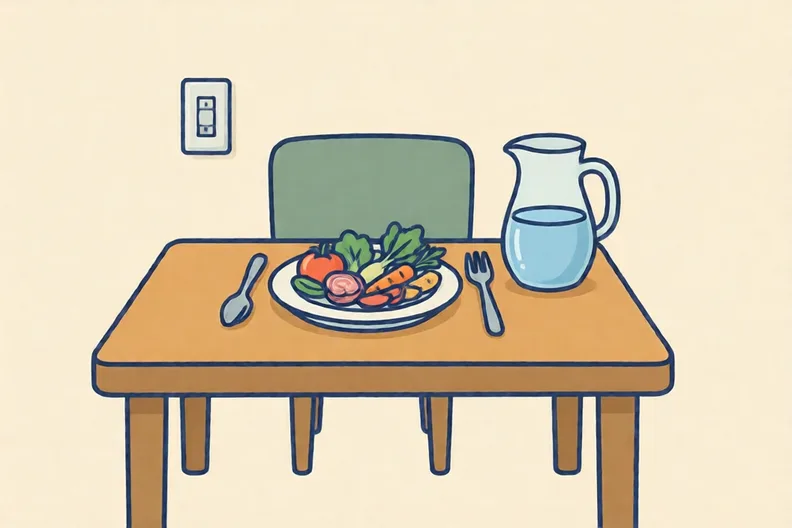
Watch me
A kitchen table with a plate of vegetables, a jug of water and a light switch on the wall

Eating less meat is a high-impact action.

It cuts a big amount of carbon, so it goes in the high-impact column.

Turning off a light is a low-impact action. It is a good habit, but it cuts less carbon.

Now you
  1. 1.

    Sort these four actions into the two columns. Write each one in a column.

    Flying less on holidayRecycling a cereal boxSwitching to a green energy supplierTurning off the lights
    High-impactLow-impact

C Your turn8 min

Read each action. Think about how much carbon it cuts.

A kitchen table with a plate of vegetables, a jug of water and a light switch on the wall
  1. 1.

    Which one is a high-impact action? Circle one.

    Turning off the lightsEating less meat each weekRecycling a cereal box
  2. 2.

    Which one is a low-impact action? Circle one.

    Flying less on holidayTurning off the lightsSwitching to a green energy supplier
  3. 3.

    Sort these three actions into the two columns.

    Eating less meat each weekTurning off the lightsRecycling a cereal box
    High-impactLow-impact
  4. 4.

    Write your plan: When ___, I will ___.

    Pick oneactionChoose aday or timeDo itShare howit went

Say it out loud: Which action on this page would you pick first, and why?

D Spot the mistake3 min
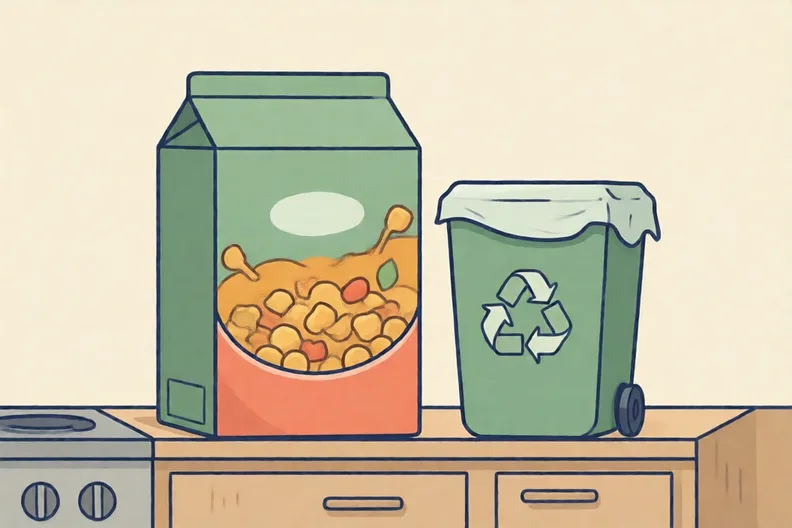
A cereal box beside a recycling bin on a kitchen worktop
Sam says: “Recycling a cereal box cuts more carbon than eating less meat, so recycling is the best thing I can do.”
  1. 1.

    Is Sam right? Explain why in one or two sentences.

E Think deeper4 min

  1. 1.

    Look at the chain. Explain in two sentences how one child's action could grow into a group action.

    You change a habitFriends see itFamily joins inMore people act

How did it feel?

I can do it Nearly Not yet
StudyDen · Year 4 · PSHE · Climate and CitizenshipAnswers are on the grown-up page

For the grown-up

Choosing my climate action · 2 minutes to read

Answers, and what a wrong one tells you

A

1. carbon dioxide your child may have picked oxygen, which we need to breathe but does not trap heat. Point to the gas that traps heat around the Earth.

2. Parliament

3. Nervous → I may be worried about something coming up; Lonely → I may need someone to be with me; Proud → I did something well

B

1. Low-impact: Recycling a cereal box, Turning off the lights · High-impact: Flying less on holiday, Switching to a green energy supplier your child may have put recycling in the high-impact column. Recycling is a good habit but cuts less carbon. Ask which action cuts the biggest amount.

C

1. Eating less meat each week your child may have picked a good habit that cuts only a little carbon. Ask: which action cuts the biggest amount?

2. Turning off the lights your child may have picked a high-impact action. Flying less and switching energy supplier cut a lot. Ask which one only cuts a little.

3. Low-impact: Turning off the lights, Recycling a cereal box · High-impact: Eating less meat each week your child may have put turning off the lights in the high column. Ask: does this action cut a big amount, or a small amount?

4. Look for: A plan that names a clear day or time and one specific action the child can do.

D

1. Look for: Sam is wrong: eating less meat is high-impact and cuts far more carbon than recycling one box, though recycling is still a good habit. your child may have agreed because recycling is easy to see. Ask: which action makes the biggest difference to a carbon footprint?

E

1. Look for: An answer that says friends, family or a class could copy one child's habit, so more people act together.

Words to use

Say“Which action would cut the most carbon, and when could you try it this week?”
Instead of“Recycling is the most important climate action, so that is the one to do.”

After the sheet

Make a 'When I will' card for one action, such as a meat-free dinner on a set day. Put it on the fridge and tick it off each time you do it.

Tick what your child got right in StudyDen. Anything missed comes back in a later Look back box, so there's no need to redo the sheet.

The rest of this unit

5 more sheets come with a StudyDen plan, in teaching order:

  1. Rights Kept and Broken(with a plan)
  2. What Is Justice?(with a plan)
  3. Planning a Goal That Matters(with a plan)
  4. Ready for Year 5(with a plan)
  5. Looking back at the year(with a plan)

Every Year 4 PSHE worksheet

The worksheets plan opens a printable sheet for every lesson in Years 1 to 6, each with its answers on a separate page for you. It costs £6.99 a month or £59 a year for the whole family, with no free trial.

The full StudyDen plan adds the lessons themselves, marked as your child works, with the worksheets included. It is 7 days free, then £29.99 a month.

Both start with a free account; you choose the plan when you sign up.