Electrical appliances all around
Today I can sort appliances by how they get their power, and explain how batteries supply electricity.
A Look back3 min
- 1.
The fox eats which animal? Circle it.
grassrabbitfox - 2.
On which day were the fewest frogs seen? Circle it.
MondayTuesdayWednesday - 3.
Is 9 °C warmer or colder than 14 °C? Circle it.
warmercolder
B Watch me, then you4 min
Ali has five things on his desk: a torch, a wooden spoon, a radio, a pencil and a toaster. He sorts them into electrical and non-electrical.
A torch needs electricity from batteries, so it is electrical.
A wooden spoon and a pencil need no power, so they are not electrical.
The torch, the radio and the toaster go in the electrical group.
- 1.
Write each card in the right column.
kettlehand whiskremote-controlled carpencilelectrical non-electrical - 2.
A hairdryer is plugged into the mains. Circle the group it belongs in.
electricalnon-electrical
C Your turn6 min
Read each question. Think about where each thing gets its power from.
- 1.
Circle the power a kettle uses.
mainsbatteriesno power - 2.
Circle the power a torch uses.
mainsbatteriesno power - 3.
A torch runs on batteries. Circle yes or no: is it an electrical appliance?
yesno - 4.
Write each card in the right column.
toasterwooden spoonbattery-powered toy carhand-turned pencil sharpenerelectrical non-electrical
Say it out loud: What changed from one row to the next? Did the power source change whether something is electrical?
D Spot the mistake3 min
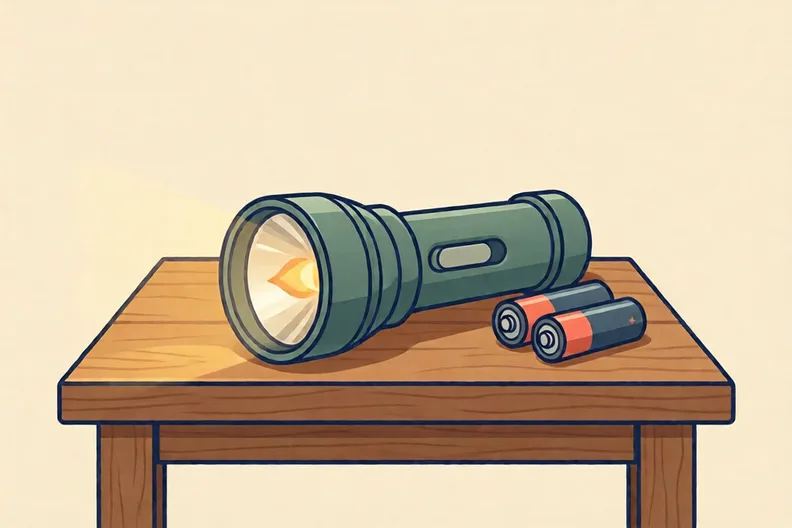
- 1.
Explain why Kit is wrong.
E Think deeper3 min
Some appliances can run on mains electricity or on batteries.
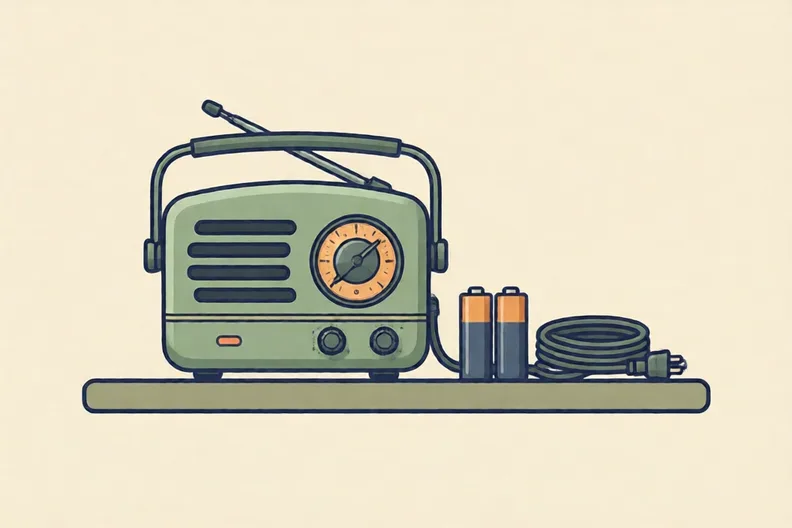
- 1.
The radio in the picture can run on mains or on batteries. Name a different appliance that can do this too. Explain how you know.