← Year 5 science worksheets

Year 5 Reproduction and life cycles: animals worksheet

“Sorting animals into groups” is free to print, with no account. It is the first sheet in the Year 5 science unit “Reproduction and life cycles: animals”, for children aged 9 to 10, and takes about 20 minutes.

Print it on A4. The child's pages come first; the answers, and what each wrong answer tells you, are on the grown-up page that follows. Weeks 26 to 31 of the year, 11 sheets in the unit.

Free sample · answers on the last page

Sorting animals into groups

Name: ____________ · Date: ____________
Year 5 · Science · about 20 minutes
Answers are on the grown-up page

Today I can sort animals into groups by their body features, not by where they live.

A Look back3 min

  1. 1.

    In this food chain, the arrow points to the eater. Which animal eats the rabbit? Circle it.

    grassrabbit
    grassfoxrabbit
  2. 2.

    In a made-up class vote, the chart shows the pets children chose. How many more children chose cats than dogs?

    Favourite pets (made up)012345678910CatsDogsFish
  3. 3.

    Look at the plant life cycle. Which stage is missing? Circle it.

    seedseedlingadult plant
    flowerrootstem

B Watch me, then you4 min

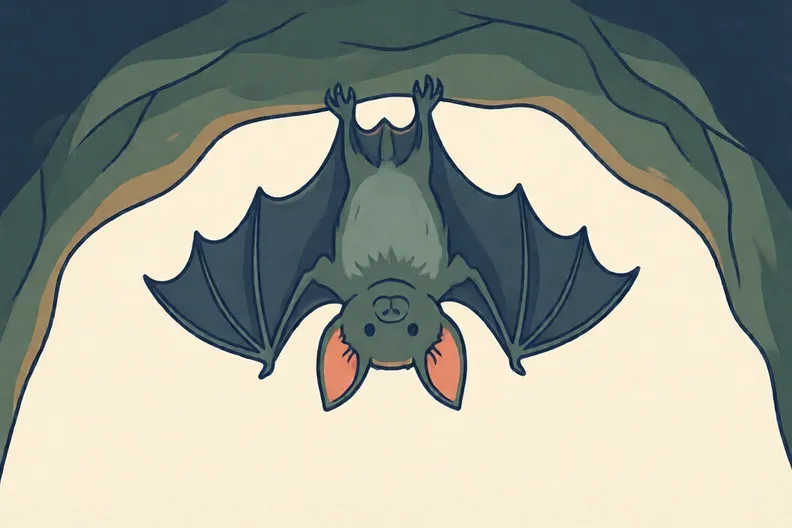
A bat flies out at dusk. Which group does it belong to? Look at what covers its body and how its babies are born.
Watch me
A bat hanging upside down from a cave roof

A bat has fur and feeds its babies on milk.

It gives birth to live young, so it is a mammal.

It flies, but flying does not make it a bird.

Now you
  1. 1.

    A lizard has dry, scaly skin. It is cold-blooded and lays leathery eggs on land. Which group does it belong to? Circle it.

    fishreptilebirdmammal

C Your turn6 min

Read the clues about each animal. Circle its group.
A school nature table with a jar of pond water and a notebook
  1. 1.

    Ola's animal has fur. It feeds its babies on milk and gives birth to live young. Which group?

    mammalbirdfishreptileamphibian
  2. 2.

    Ben's animal has feathers and a beak. It is warm-blooded and lays hard-shelled eggs. Which group?

    mammalbirdfishreptileamphibian
  3. 3.

    Sam's animal has smooth, moist skin. It is cold-blooded and lays jelly-like spawn in water. Which group?

    mammalbirdfishreptileamphibian
  4. 4.

    Priya's animal lives in the sea. It breathes air, is warm-blooded and feeds its young on milk. Which group?

    fishmammalreptile

Say it out loud: Which clue gave the group away? Did the place the animal lives help you at all?

D Spot the mistake3 min
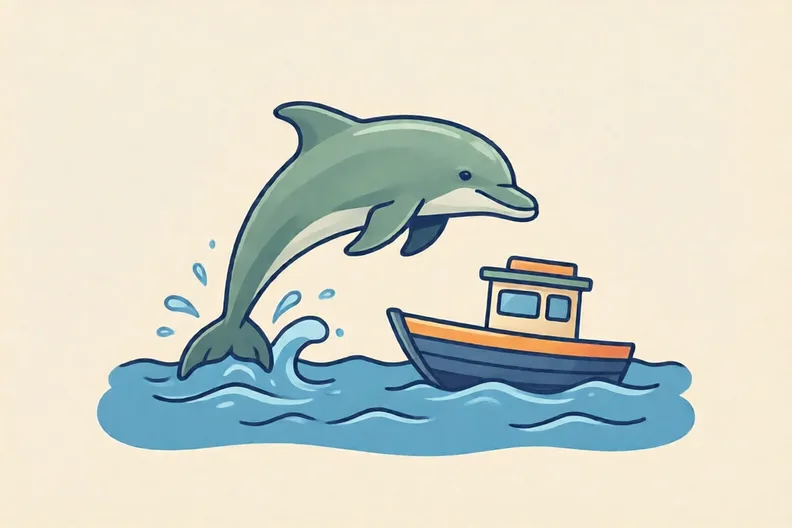
A dolphin leaping out of blue sea beside a small boat
Ali says: “A dolphin lives in the sea, so it is a fish.”
  1. 1.

    Which group does a dolphin really belong to? Circle it.

    fishmammalreptileamphibian

E Think deeper4 min
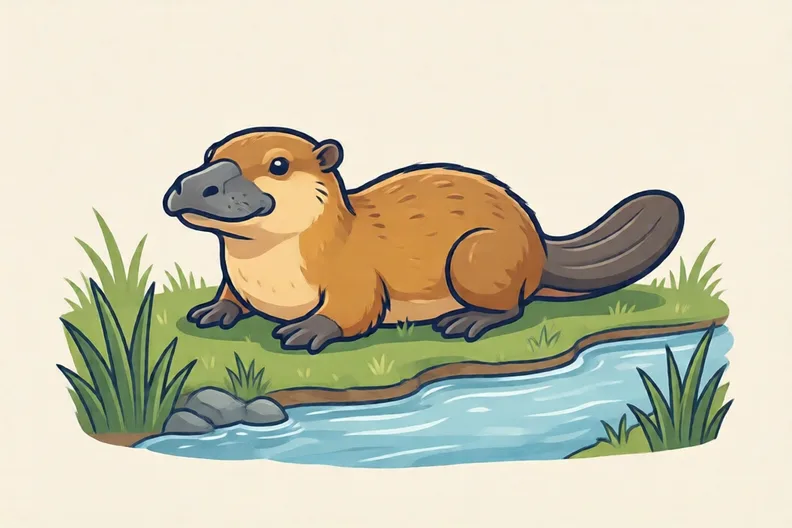
A platypus on a riverbank beside clear water
  1. 1.

    A platypus has fur and feeds its young on milk, but it lays eggs. Which group do scientists put it in, and why? Write two sentences.

How did it feel?

I can do it Nearly Not yet
StudyDen · Year 5 · Science · Reproduction and life cycles: animalsAnswers are on the grown-up page

For the grown-up

Sorting animals into groups · 2 minutes to read

Answers, and what a wrong one tells you

A

1. fox your child picked grass or rabbit. The arrow points to the eater, so follow the arrow past the rabbit.

2. 3 your child added the two bars to get 15. The question asks how many more, so take the smaller number from the bigger one.

3. flower your child picked root or stem. Plants make flowers, and flowers make seeds. Follow the arrows from the adult plant.

B

1. reptile

C

1. mammal

2. bird

3. amphibian

4. mammal your child picked fish because the animal lives in the sea. Ask what it feeds its young on, and whether it breathes with gills or with air.

D

1. mammal your child picked fish because the dolphin lives in the sea. Ask what the dolphin feeds its babies on, and whether it is warm-blooded.

E

1. Look for: Mammal, because it has fur and feeds its young on milk, the features it shares most with mammals, even though it lays eggs.

Words to use

Say“Which clues tell you the group? Does the place the animal lives tell you anything?”
Instead of“Tell them a sea animal must be a fish, or that only birds fly.”

After the sheet

Sort three toy animals or picture cards into groups, using what covers their bodies and how their babies are born. Ask why the place they live does not settle it.

Tick what your child got right in StudyDen. Anything missed comes back in a later Look back box, so there's no need to redo the sheet.

The rest of this unit

10 more sheets come with a StudyDen plan, in teaching order:

  1. Is it an insect?(with a plan)
  2. Mammal life cycles(with a plan)
  3. Bird life cycles(with a plan)
  4. Comparing mammal and bird life cycles(with a plan)
  5. Frog life cycle stages(with a plan)
  6. Inside the Pupa(with a plan)
  7. Frogs and insects compared(with a plan)
  8. Endangered animals and life cycles(with a plan)
  9. Helping endangered animals(with a plan)
  10. Waiting before birth(with a plan)

Every Year 5 science worksheet

The worksheets plan opens a printable sheet for every lesson in Years 1 to 6, each with its answers on a separate page for you. It costs £6.99 a month or £59 a year for the whole family, with no free trial.

The full StudyDen plan adds the lessons themselves, marked as your child works, with the worksheets included. It is 7 days free, then £29.99 a month.

Both start with a free account; you choose the plan when you sign up.